
Last updated November 2, 2026
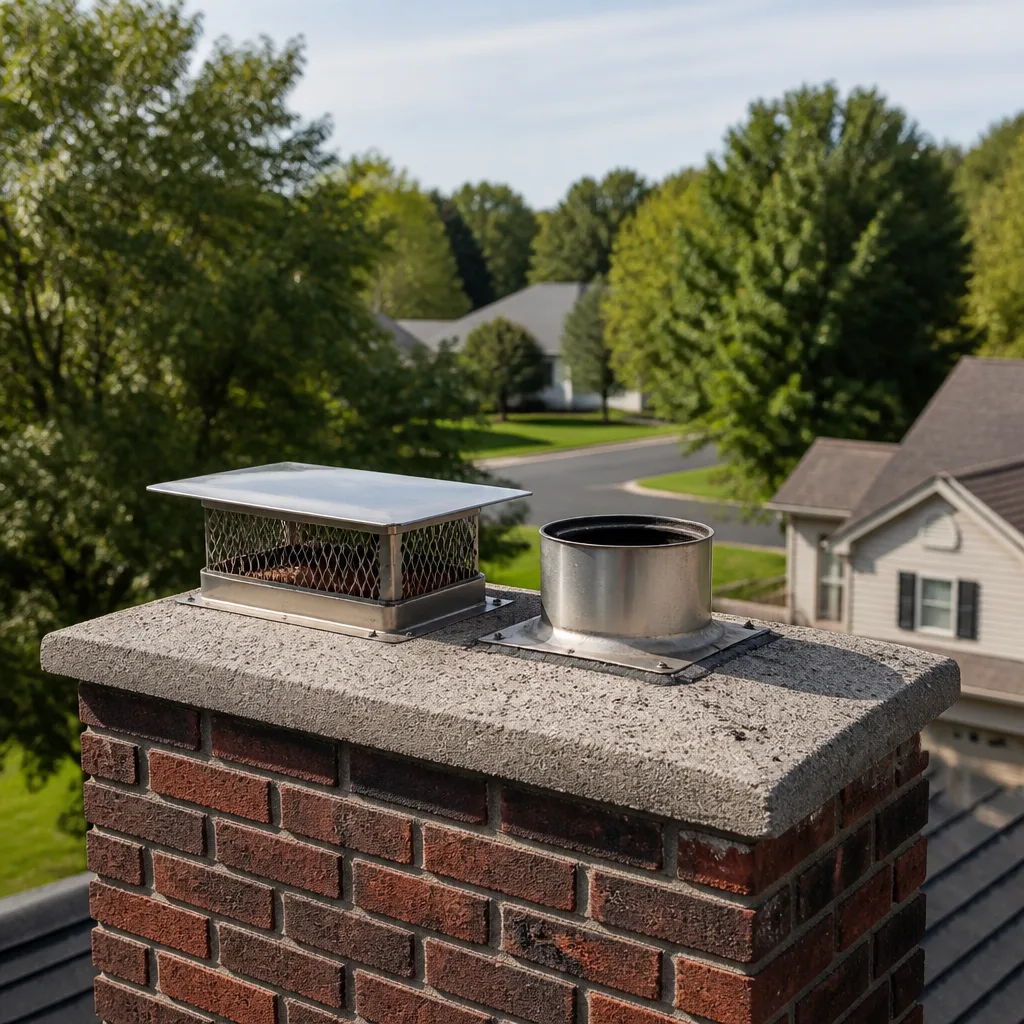 Sweep & inspection
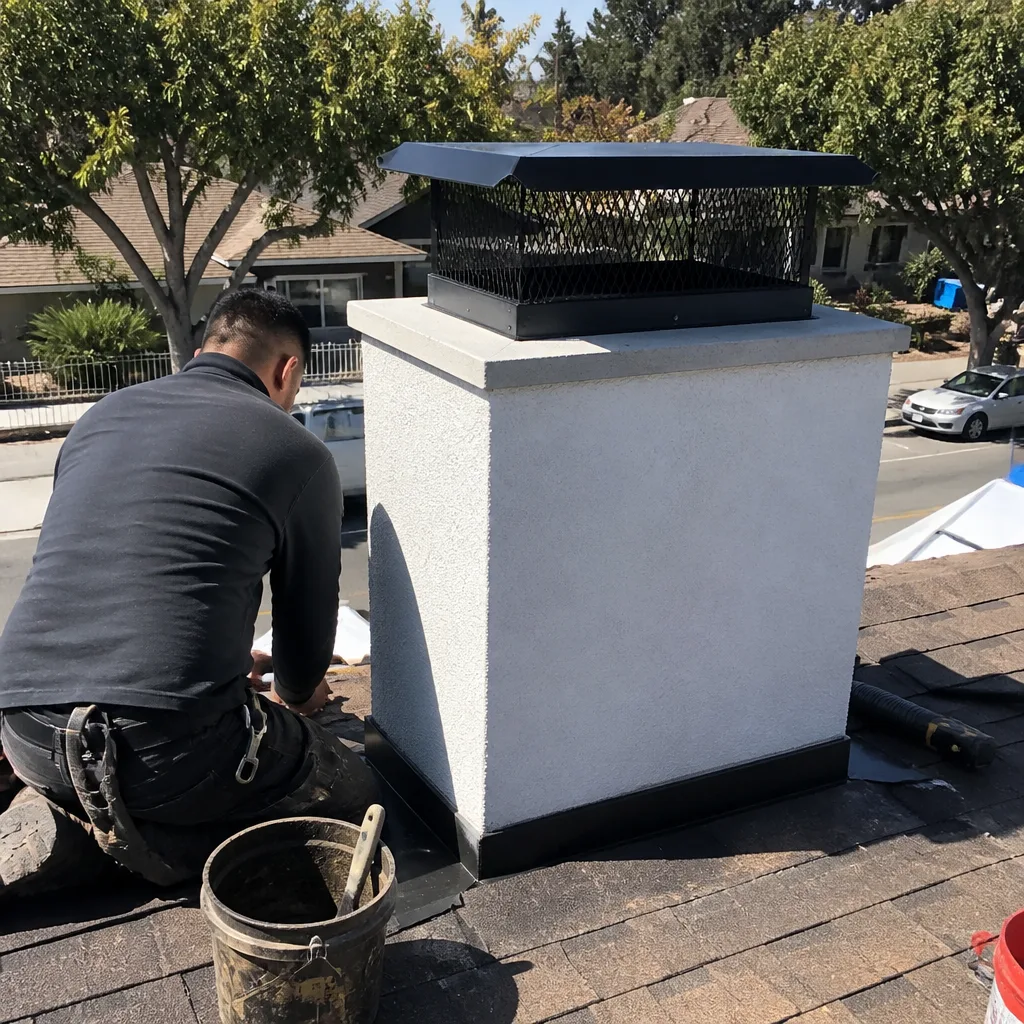
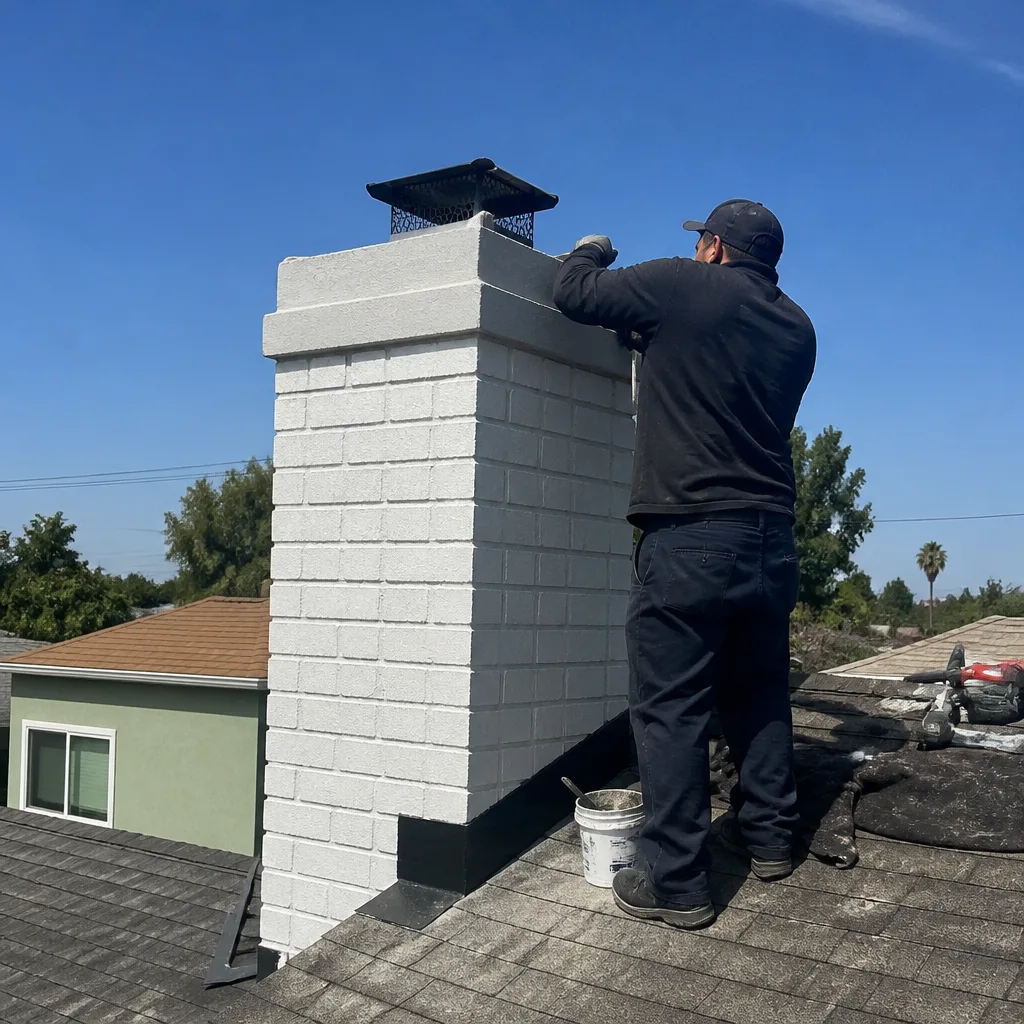
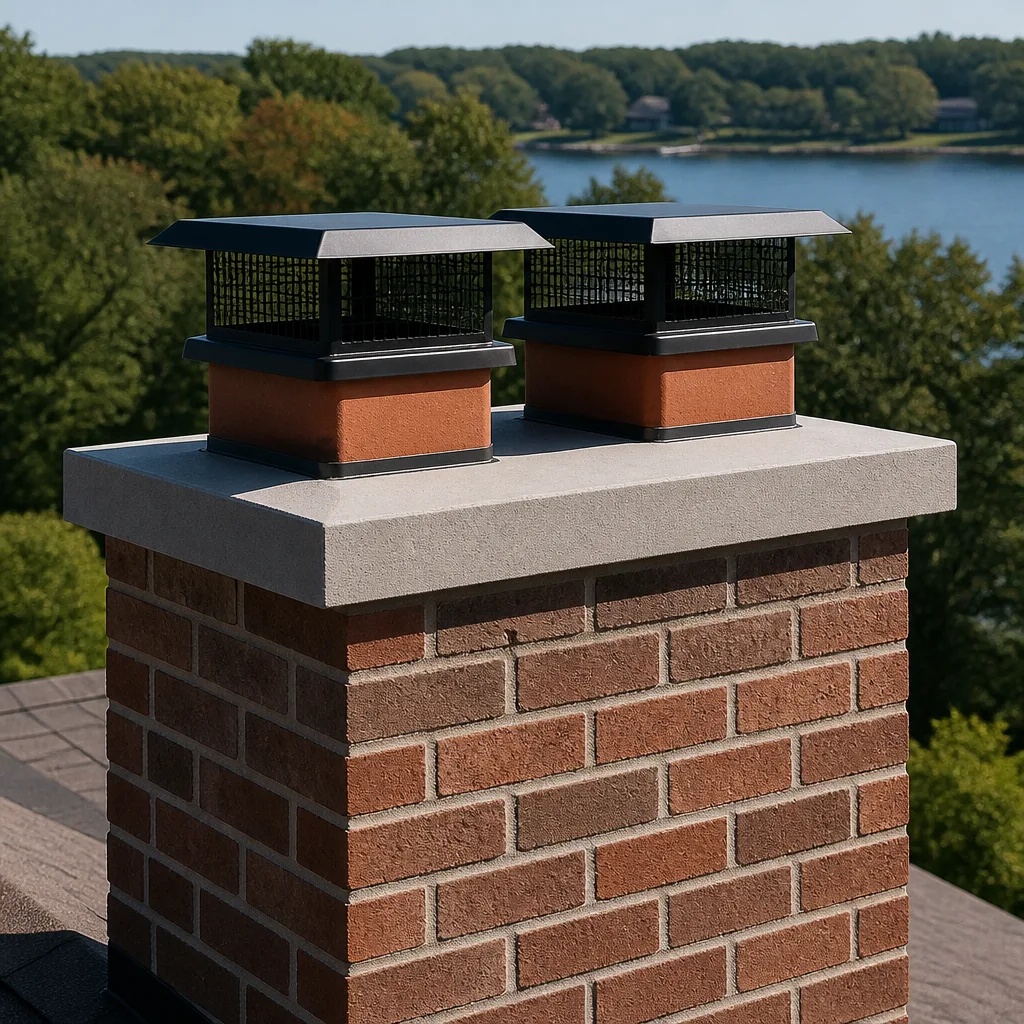 Caps & crowns
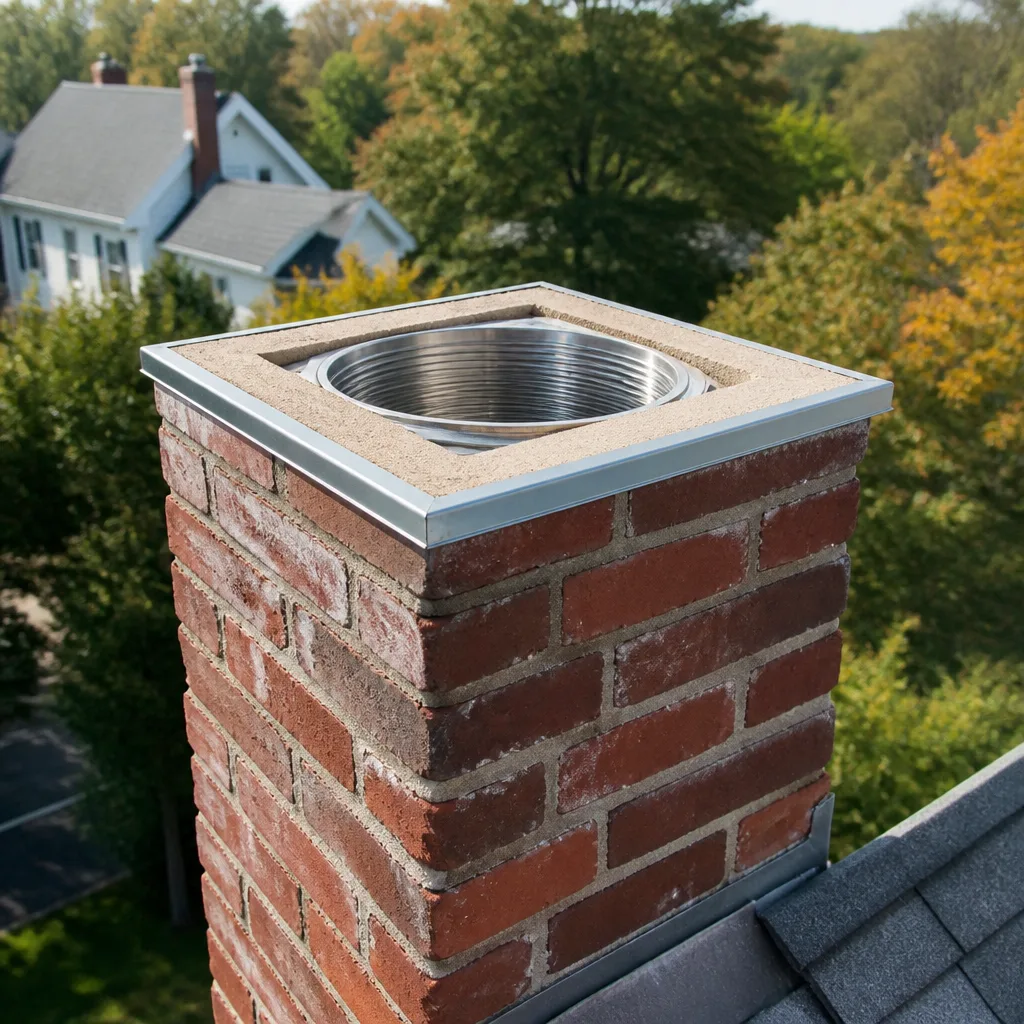 Flue relining
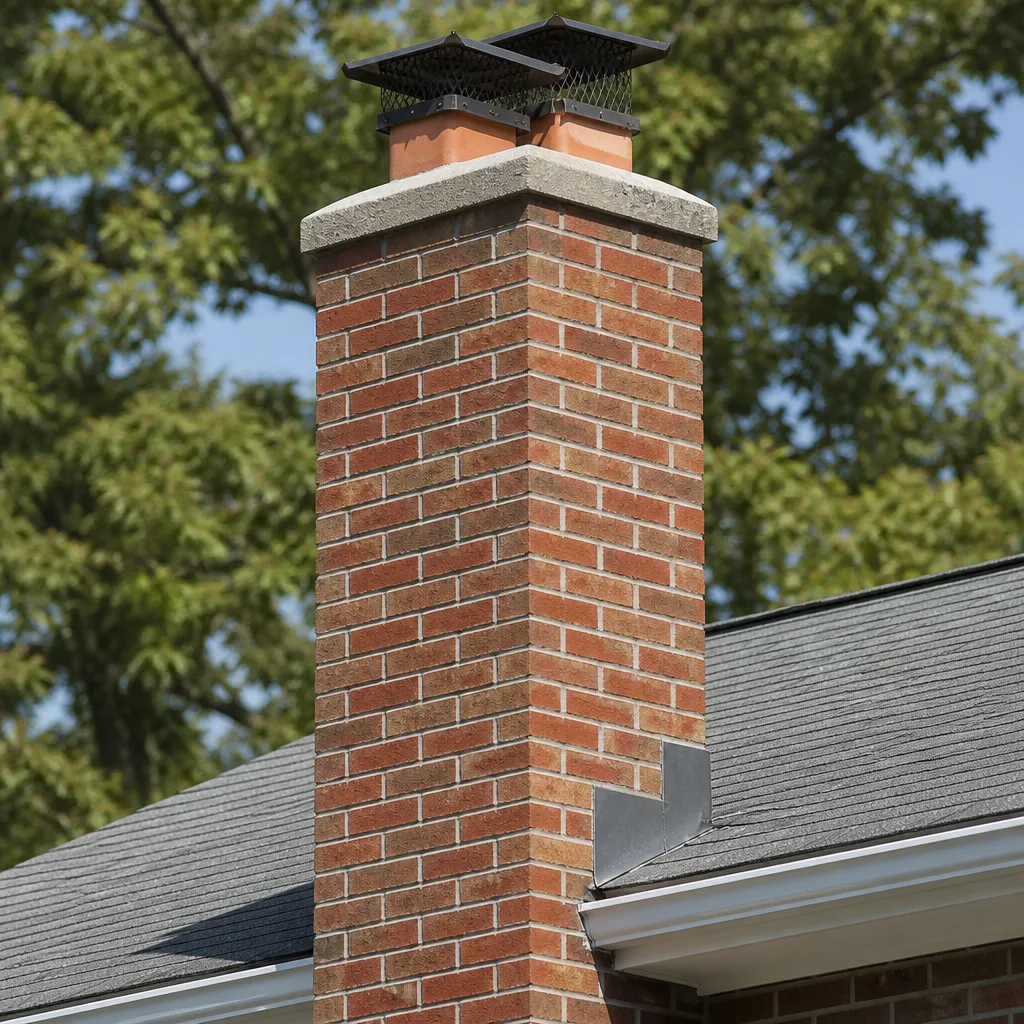 Masonry repair
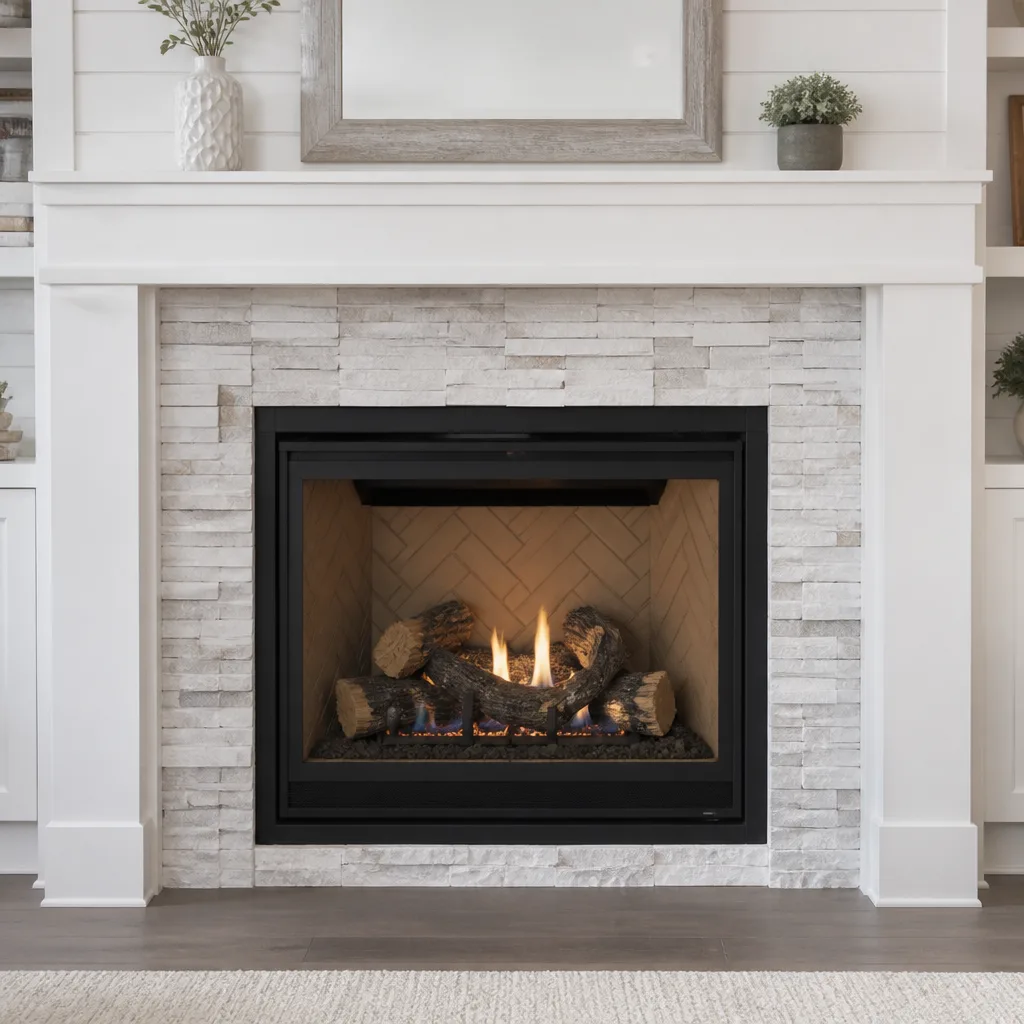 Gas fireplace service
Level 1 sweep and inspection to the NFPA 211 annual standard - flue, crown, cap, and flashing checked and photographed
Chimney sweep logs do not sweep chimneys. They loosen some creosote - which then falls where a brush and vacuum still have to collect it.
How to Hire a Chimney Cleaning Contractor in South Gate: A Step-by-Step Guide
Here’s something most homeowners in South Gate don’t realize until they start searching: California has no state license specifically for chimney sweeps. Anyone with a truck, a brush, and a stack of business cards can legally call themselves a chimney cleaning contractor. That’s not a problem in itself. The problem is that most homeowners don’t know how to tell the difference between someone who cleans chimneys on weekends and someone who understands combustion venting systems, code requirements, and the difference between a cosmetic crack and a structural fire hazard. This guide gives you the exact framework we’d use to vet our own subcontractors in South Gate, so you can ask the right questions before anyone steps foot in your home. For more guides & resources, explore our blog.
Styles & brands we work with
- Sweep & inspection
- Caps & crowns
- Flue relining
- Masonry repair
- Gas fireplace service
Quick Answer
To hire a chimney cleaning contractor in South Gate, verify CSIA certification first, ask whether their quote includes a written inspection report with photos, require proof of general liability and workers’ compensation insurance, and avoid any contractor who quotes a price without asking what fuel you burn and what appliance type you have. The best South Gate contractors will document everything with camera evidence, explain what can wait versus what needs immediate attention, and never pressure you into repairs on the same visit without showing you proof.
Table of Contents
- Why Vetting Matters More in California Than in Other States
- What a Professional Chimney Cleaning Actually Involves
- What CSIA Certification Verifies (and What It Doesn’t)
- The 10 Questions to Ask Before Booking
- How to Verify Contractor Insurance in California
- Red Flags Specific to the South Gate Market
- Cleaning Quote vs. Cleaning-Plus-Inspection Quote: Why the Difference Matters
- Common Mistakes to Avoid
- When to Call a Professional
- Frequently Asked Questions
- The Bottom Line
Why Vetting Matters More in California Than in Other States
In California, general contractors are licensed through the Contractors State License Board (CSLB), which regulates everything from electrical work to roofing. Chimney sweeping falls through the cracks. There’s no C-61 specialty classification for chimney cleaning, no state exam on venting systems, and no mandatory apprenticeship. What that means in practice is straightforward: the quality gap between the best and worst chimney contractors in South Gate is wider than in states like Massachusetts or Connecticut, where chimney sweeps face trade-specific licensing requirements.
Our team at Chimney Sweep South Gate home has walked into homes where previous “cleanings” were performed with hardware-store brushes that left creosote packed into the smoke shelf, or where “inspections” consisted of a flashlight glance from the hearth. In South Gate’s older housing stock, much of it built between the 1940s and 1970s, this lax oversight shows up in flues that haven’t been properly evaluated in decades.
The absence of state licensing doesn’t mean standards don’t exist. It means the burden shifts to you. Industry organizations like the Chimney Safety Institute of America (CSIA) fill the gap, but only for contractors who choose to certify. Your job is to figure out who’s done that work and who’s coasting on the fact that nobody in Sacramento is checking.
What a Professional Chimney Cleaning Actually Involves
Before you can evaluate a contractor’s process, you need to know what a legitimate cleaning looks like. A professional chimney sweeping in South Gate should follow a defined sequence, not a “brush and goodbye” routine.
- Pre-inspection: Before any brush touches the flue, the technician should check the fireplace or stove, the damper, the firebox, and the exterior chimney structure for obvious issues.
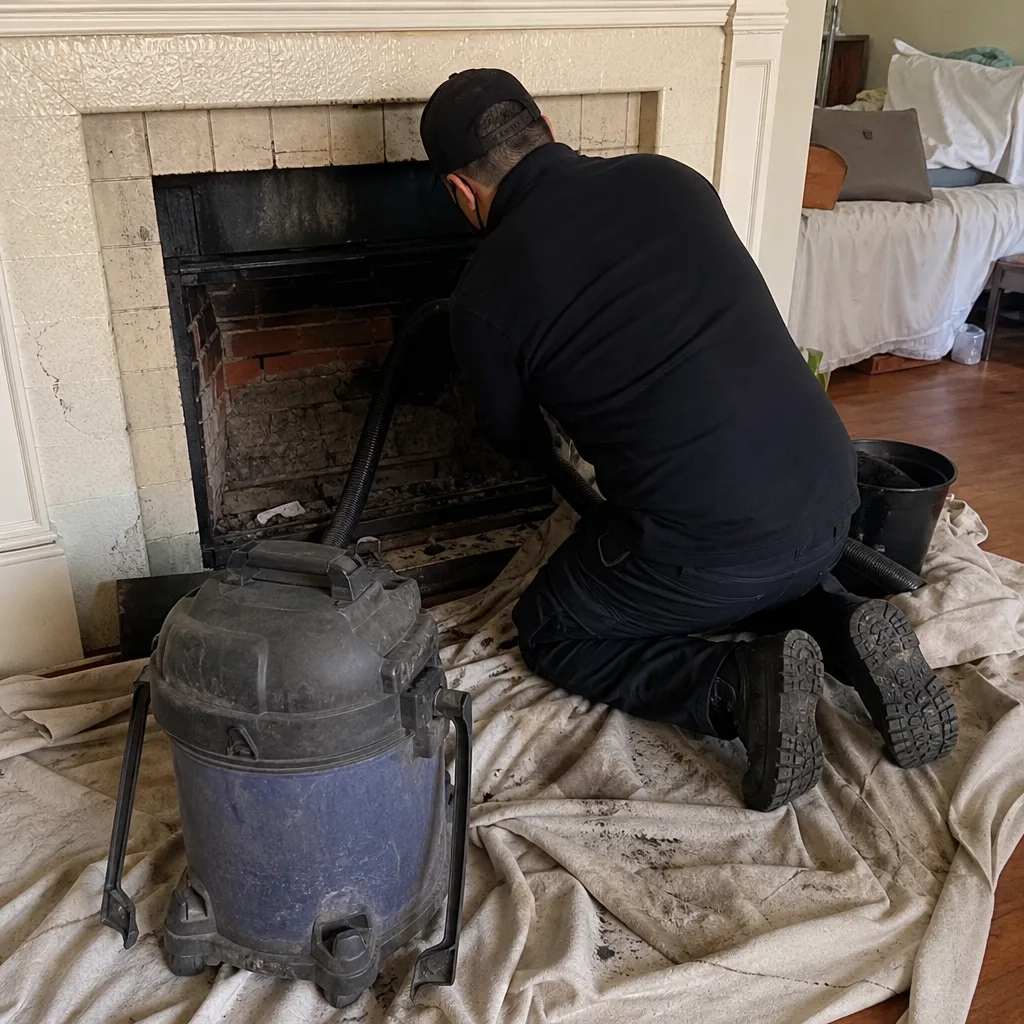
- Debris containment: Drop cloths should cover the floor and hearth area. A vacuum with a HEPA filter should be running during the entire sweep, not just at the end.
- Mechanical sweeping: Sizing the brush to the flue dimensions matters. A 6-inch brush in a 12-inch flue leaves creosote on the walls and gives you a false sense of safety.
- Smoke shelf and damper cleaning: This is where creosote accumulates in masonry chimneys. Skipping this step is the mark of a rushed job.
- Post-sweep inspection: After cleaning, the technician should inspect the entire flue with a camera or, at minimum, a bright light and mirror to document the condition of the liner.
- Written report: You should leave the appointment with photos or video and a written summary of findings, even when everything looks fine.
A cleaning that takes 35 minutes and leaves no written record isn’t a professional service. In our experience, a thorough first-time cleaning on a South Gate home that hasn’t been swept in years takes 60 to 90 minutes, sometimes longer if there’s significant creosote buildup or an animal nest in the flue.
What CSIA Certification Verifies (and What It Doesn’t)
The Chimney Safety Institute of America (CSIA) is the most recognized chimney credential in the United States. A contractor who holds CSIA certification has passed a written exam covering chimney physics, fire codes, venting standards, and inspection protocols. They’ve also completed continuing education requirements to maintain the credential. That’s the verified part.
What CSIA certification doesn’t tell you: whether the contractor shows up on time, whether they’ll try to upsell you on unnecessary repairs, or whether they have any experience with your specific appliance type. It also doesn’t verify current insurance status or local business reputation.
Think of CSIA certification as a baseline, not a guarantee. It proves a technician studied the technical material at some point. The real test is whether they can explain what they’re seeing in your chimney in plain language, show you visual evidence, and recommend repairs in order of urgency with honest cost ranges. A certified sweep who can’t do that is no better than an uncertified one who can.
When you call contractors in South Gate, ask directly: “Are you CSIA certified, and can you show me your current certification ID?” Some technicians claim certification but let it lapse. The CSIA requires annual renewal, and a current ID card is a simple thing to request.
The 10 Questions to Ask Before Booking
These questions are designed to separate professional chimney contractors from generalists who occasionally clean chimneys. You don’t need to ask all ten, but any contractor who hesitates on more than a couple of them is telling you something.
- “What’s your process for documenting findings?” The answer should include photos or video, not just a verbal summary. In South Gate, where many chimneys have been through decades of use and multiple owners, written documentation is the only way to track changes over time.
- “Are you CSIA certified, and is your certification current?” As covered above, this verifies technical training. Ask to see the ID.
- “Do you carry workers’ compensation insurance?” This is non-negotiable for in-home work. More on this below.
- “What equipment do you use?” A professional answer includes rotary cleaning systems, HEPA vacuums, and inspection cameras. A vague answer like “brushes and stuff” isn’t reassuring.
- “How do you contain dust and debris during the cleaning?” The answer should mention drop cloths, running vacuums, and sealed doorways if they’re working in a finished space.
- “Do you clean the smoke shelf and damper area?” If the contractor doesn’t know what these terms mean, end the call.
- “What type of chimney or appliance do you have experience with?” This is a question for them, but it should prompt them to ask about your setup. A contractor who doesn’t ask what fuel you burn before quoting is skipping the triage step.
- “Can you provide references from South Gate or nearby areas?” Local references matter. A contractor who works regularly in South Gate, Downey, Lynwood, or Huntington Park knows the building types and common issues.
- “Do you perform repairs, or do you subcontract them out?” If repairs are subcontracted, ask who the subcontractor is and whether they’re licensed and insured separately.
- “What’s included in your quote, and what would trigger an additional charge?” The answer should be specific. “We’ll assess when we get there” is a red flag for quote creep.
How to Verify Contractor Insurance in California
California law requires most employers to carry workers’ compensation insurance if they have employees. Here’s why that matters for you: if a contractor’s employee falls off your roof or is injured inside your home and the contractor lacks workers’ comp, you could be liable for medical costs under premises liability. General liability alone won’t protect you from that scenario.
General liability insurance covers property damage and basic negligence claims. Workers’ comp covers injuries to employees while they’re doing the work. Both matter.
When verifying insurance, follow these steps:
- Ask for a certificate of insurance (COI). Any professional contractor can produce one in minutes. The certificate should show both general liability and workers’ compensation coverage, with policy numbers and effective dates.
- Call the insurance agent or carrier to verify the policy is active. A piece of paper is not proof. It takes five minutes to call and confirm the policy hasn’t lapsed since the certificate was issued.
- Check the coverage amount. General liability coverage of at least $1 million per occurrence is standard. Workers’ comp should be listed without major exclusions.
- Confirm the named insured matches the company you’re hiring. DBA mismatches are more common than you’d think, especially with small contracting operations.
In South Gate, where many homes are older and chimney access often involves roof work or tight attics, the workers’ comp question isn’t theoretical. It’s a practical risk management step before anyone climbs a ladder.
Red Flags Specific to the South Gate Market
Every market has its own patterns. Here’s what we consistently see in South Gate and the surrounding southeast Los Angeles County area:
- Quoting without asking about appliance type. A gas fireplace, a wood-burning insert, a masonry open hearth, and a freestanding stove all require different cleaning approaches and present different risk profiles. If a contractor quotes you $99 over the phone without asking what you have, you’re getting a generic number, not a real estimate.
- No written findings after the job. This is the biggest one. A contractor who cleans your chimney and leaves with a verbal “looks okay” has given you nothing you can act on. If they can’t show you photos from a camera inspection, ask why.
- Same-visit repair pressure. Here’s how this usually goes: the technician finds a “cracked liner” or “dangerous creosote buildup” during the cleaning, tells you it’s urgent, and offers to fix it right now for a “discounted” price. A legitimate contractor will show you the camera footage, explain the exact issue, provide a written quote, and give you time to decide. Urgency without documentation is a sales tactic, not a safety warning.
- No physical address or local presence. A PO box in another county, no local phone number, or a website with no South Gate or Los Angeles-area references. Chimney contractors who work this market should be able to reference local building styles, climate considerations, and permit requirements.
- Rock-bottom quotes as the primary marketing hook. A $49 chimney cleaning special is typically a lead-generation tool for expensive repair upselling, not a professional service priced to cover proper equipment, insurance, and time.
Cleaning Quote vs. Cleaning-Plus-Inspection Quote: Why the Difference Matters
This is one of the most common sources of dispute after a chimney cleaning, and most homeowners don’t see it coming. A basic cleaning quote covers exactly that: showing up, setting up containment, running a brush through the flue, and cleaning up. It does not include a camera inspection, a written report, liner evaluation, or repair recommendations.
A cleaning-plus-inspection quote includes all of that. It costs more because it takes more time and requires cameras and reporting systems. When contractors conflate the two, the result is predictable: you pay for a “cleaning with inspection,” get only a cleaning, and discover later that the inspection would have flagged a cracked flue tile or a deteriorating mortar joint.
Here’s the rule we recommend in South Gate: always ask for a cleaning-plus-inspection quote. If the contractor only offers a basic cleaning, ask what they’d charge to add a documented camera inspection. If they can’t offer a camera inspection at all, that tells you everything about their capability ceiling.
At Chimney Sweep in South Gate, every cleaning includes visual documentation. We don’t separate inspection from cleaning because a cleaning without verification gives you no useful information about the condition of your system. The point isn’t to make the chimney look cleaner. The point is to know whether it’s safe to use.
Common Mistakes to Avoid
- Assuming a handyman can do it. A general handyman may be able to change a damper or patch a firebox, but sweeping a flue properly requires rotary equipment, camera inspection tools, and knowledge of creosote stages and clearances. Most handymen don’t carry that equipment, and South Gate’s older chimneys often hide problems that need a trained eye.
- Hiring based on price alone. The cheapest quote is often the most expensive after you pay for a second opinion. If the price is too low to cover equipment, insurance, and time, the contractor is cutting corners somewhere.
- Skipping the insurance check. As covered earlier, general liability without workers’ comp leaves you exposed. This is a five-minute verification that most homeowners skip.
- Accepting a verbal all-clear without documentation. “Looks fine to me” is not a report. If there’s no photo evidence, there’s no evidence.
- Ignoring the smoke shelf and damper area. Creosote accumulates in these spaces regardless of what the flue walls look like. A contractor who skips them isn’t doing the job.
- Not asking about repair capability upfront. If a cleaning contractor discovers damage and can’t perform repairs, you’re now hiring two contractors and coordinating two schedules. Chimney Sweep South Gate handles sweeping, inspection, and repair under one roof, which means one call covers it. If your contractor can’t do repairs, ask who they refer and whether they’ll coordinate.
- Confusing a dryer vent cleaning with a chimney cleaning. They’re different services for different exhaust systems. A chimney sweep may also clean dryer vents, but you should confirm that dryer vent cleaning is part of the company’s core service lineup, not an afterthought. Dryer Vent Cleaning in South Gate is a safety-critical service in its own right, not a side task.
When to Call a Professional
Some situations clearly call for a professional rather than a wait-and-see approach. If you notice a strong odor coming from the fireplace during humid weather, that’s often creosote absorbing moisture, and it’s a sign that buildup has reached a stage where it’s becoming fuel. If you see visible creosote flakes inside the firebox or on the damper, schedule a cleaning. If you’ve just moved into a South Gate home and have no record of when the chimney was last inspected, don’t use the fireplace until a professional has looked at it. If you burn more than one cord of wood per season, annual cleaning is the minimum. And if you have a gas appliance venting through a masonry chimney, the venting requirements are different from wood-burning systems, and an untrained eye can miss improper venting that creates carbon monoxide risk.
Chimney Sweep South Gate offers free estimates in South Gate. Call (833) 958-8849 to schedule a cleaning and inspection, and we’ll document everything we find.
Frequently Asked Questions
A professional chimney sweeping in South Gate typically ranges from $150 to $350, depending on the flue type, accessibility, and how long it’s been since the last cleaning. See our Chimney Cleaning Cost Breakdown: The South Gate Homeowner’s Reference for 2026 for a detailed pricing analysis. A cleaning-plus-inspection with camera documentation typically runs higher, usually in the $250 to $450 range. Call (833) 958-8849 for a specific quote based on your setup.
Verify CSIA certification, request a certificate of insurance showing both general liability and workers’ compensation, ask for local references in South Gate or nearby cities, and confirm they provide written documentation with photos after every job. A legitimate contractor will pass all four checks without hesitation.
Yes, because a cleaning removes the surface creosote that hides cracks, gaps, and deteriorating mortar joints. The post-cleaning camera inspection is when the flue is actually visible. Without it, you’re paying for a clean-looking chimney without knowing whether the liner is intact.
Creosote accumulates in layers. Stage one is flaky and easy to remove. Stage two is tar-like and requires rotary tools. Stage three is glazed and can ignite at temperatures around 1,000 degrees Fahrenheit. The longer you wait, the more you’re building a fire hazard you can’t see from the hearth, and the more expensive the eventual cleaning becomes.
Not all of them. Some companies only clean and inspect, then refer repair work elsewhere. Our team at Chimney Repair in South Gate handles repairs directly, including HeatShield ceramic resurfacing and DuraFlex liner installations. When a cleaning reveals damage, we can usually address it without sending you to another contractor.
They’re separate systems, but both are exhaust paths that accumulate combustible material. Lint buildup in dryer vents is a leading cause of house fires, and the cleaning process is similar in concept but uses different equipment. If you’re already having one exhaust system inspected, checking the other makes sense. Chimney Sweep South Gate treats dryer vent cleaning as a core safety service, not an add-on.
The Bottom Line
Hiring a chimney cleaning contractor in South Gate comes down to verifying three things: technical knowledge, documented process, and proper insurance. CSIA certification establishes the first. A contractor’s willingness to show you camera footage and provide written reports establishes the second. A certificate of insurance establishes the third. Everything else, from brand familiarity to local references, is supporting evidence. If a contractor passes those three checks and can explain what they’re seeing in plain language without pushing you into same-day repair decisions, you’ve found someone worth hiring. If they can’t or won’t, keep looking. The cost of a wrong hire isn’t just the wasted cleaning fee. It’s the undetected problem that becomes a chimney fire or carbon monoxide leak months later.
Written by the team at Chimney Sweep South Gate, serving South Gate since 2013.
See the difference
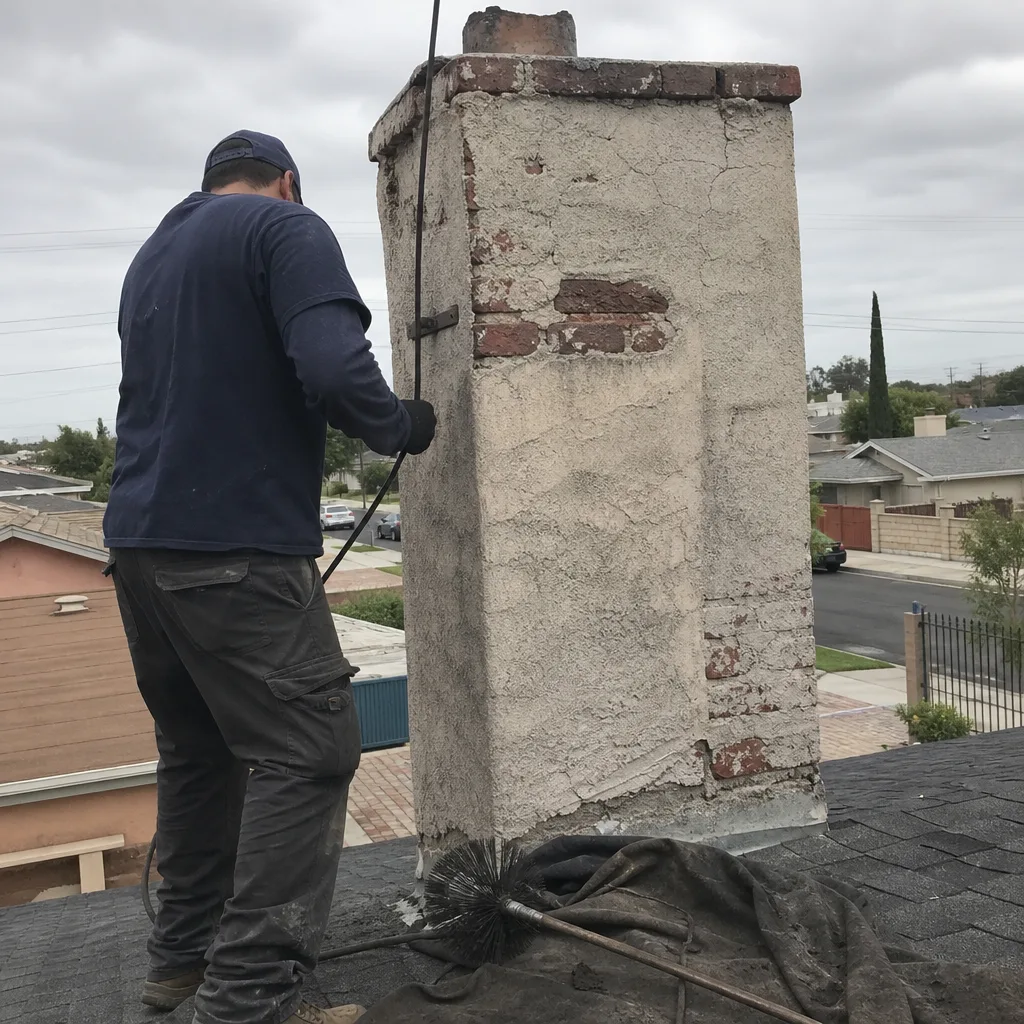 Before
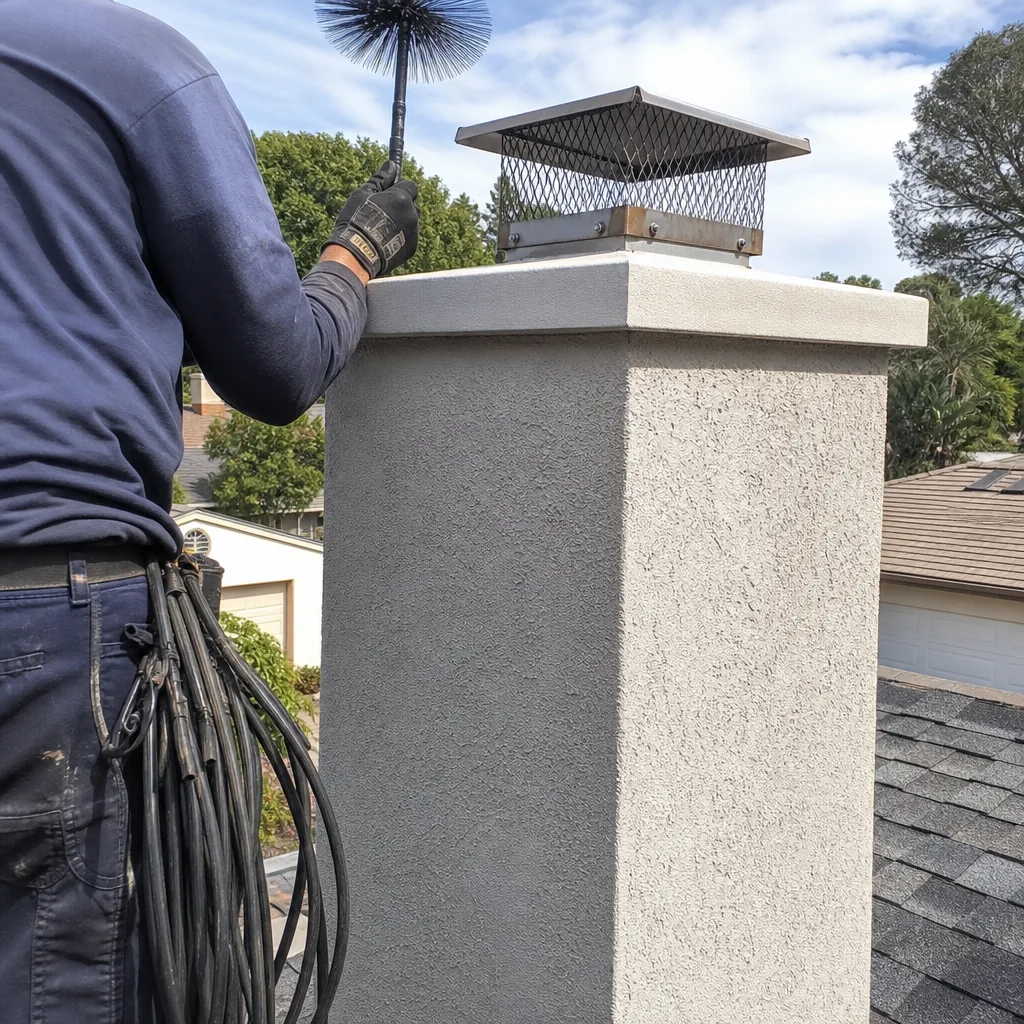 After
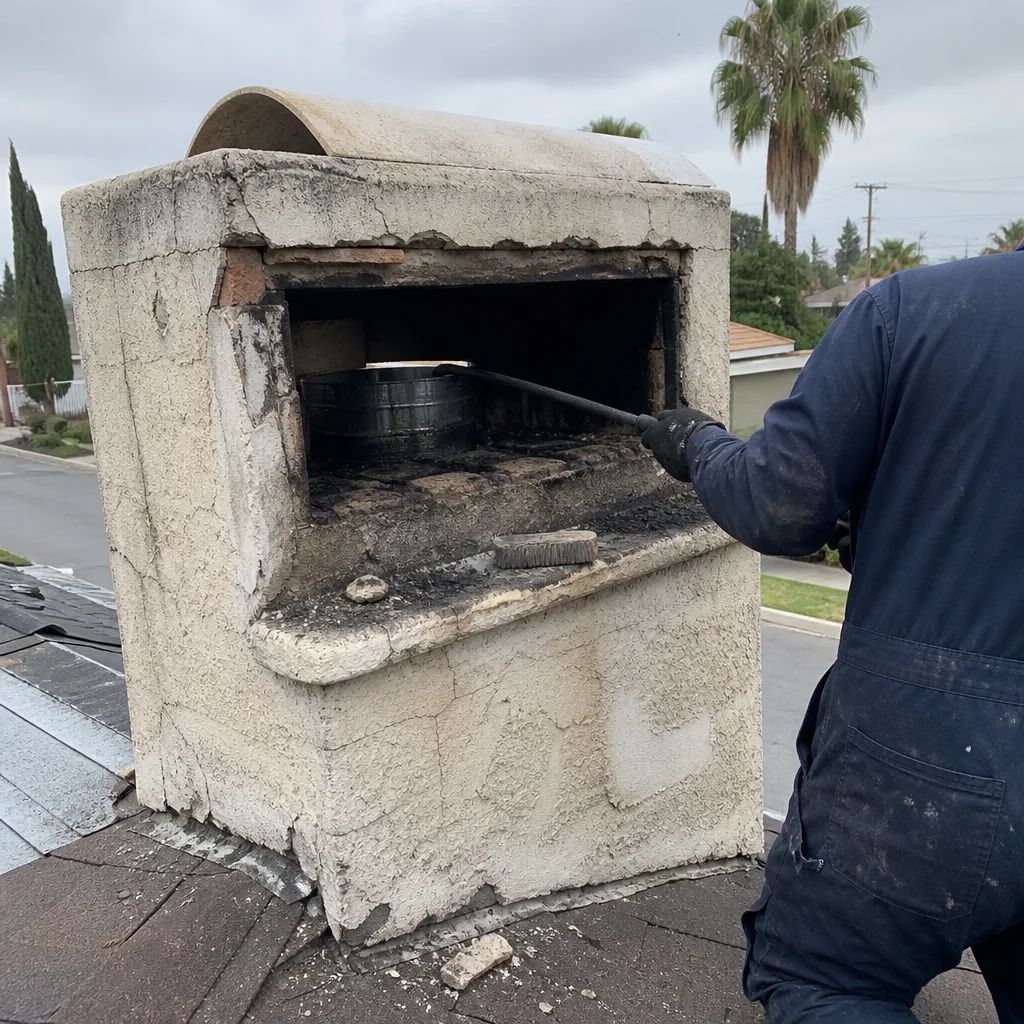 Before
 After
 Before
 After