
Last updated November 2, 2026
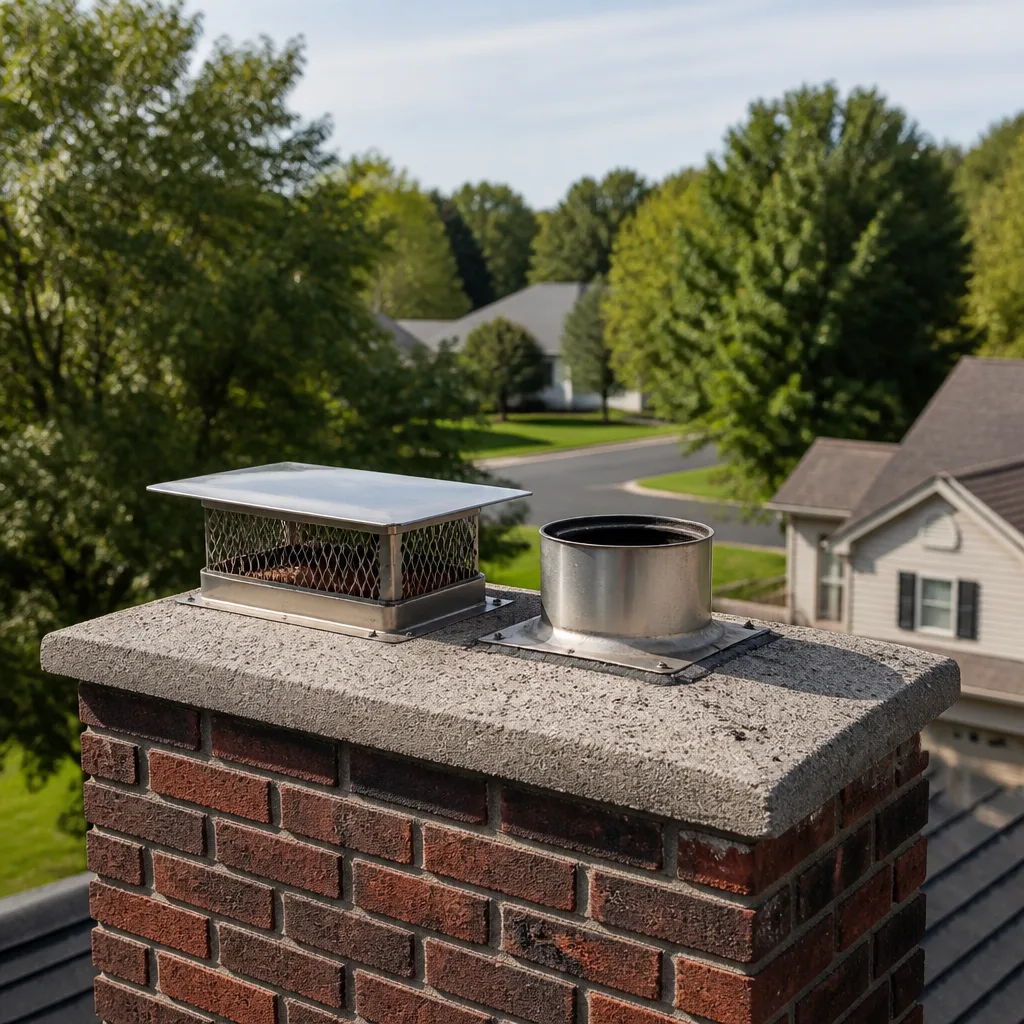 Sweep & inspection
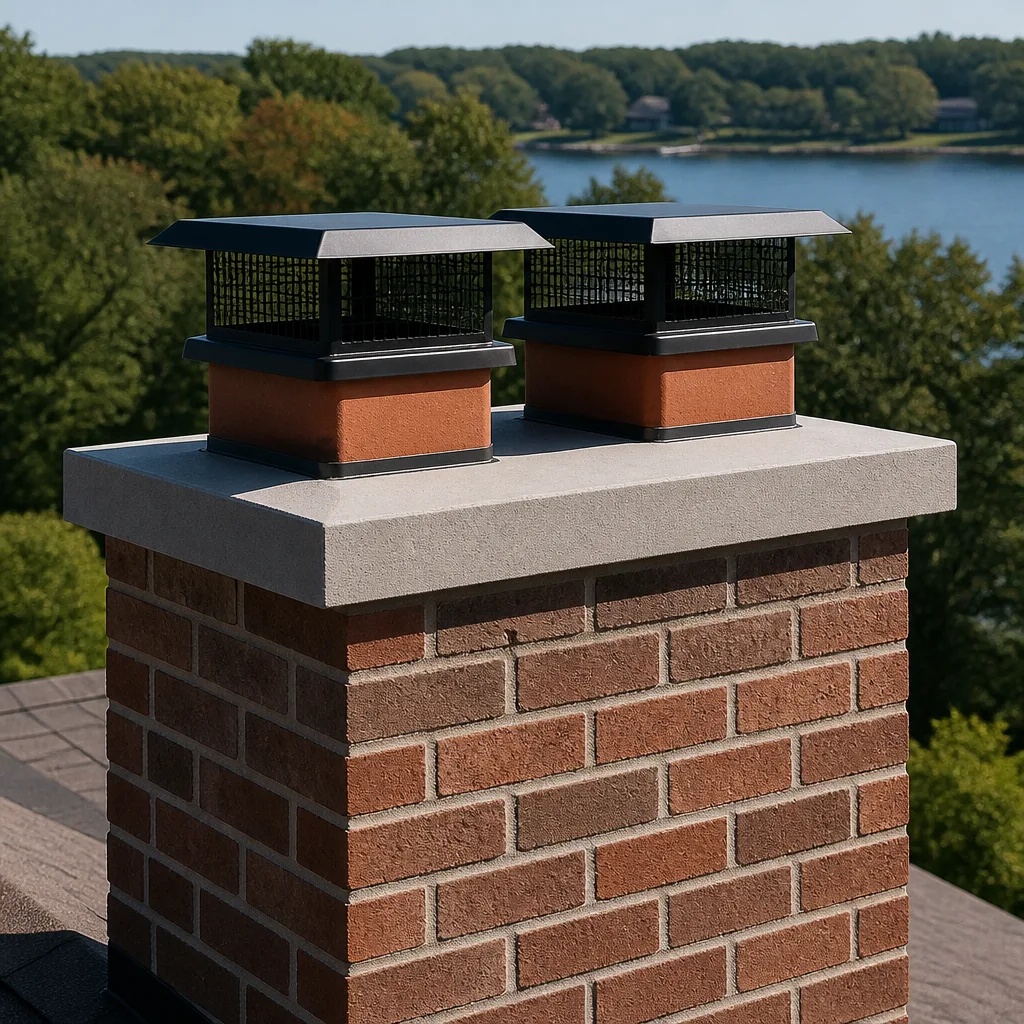 Caps & crowns
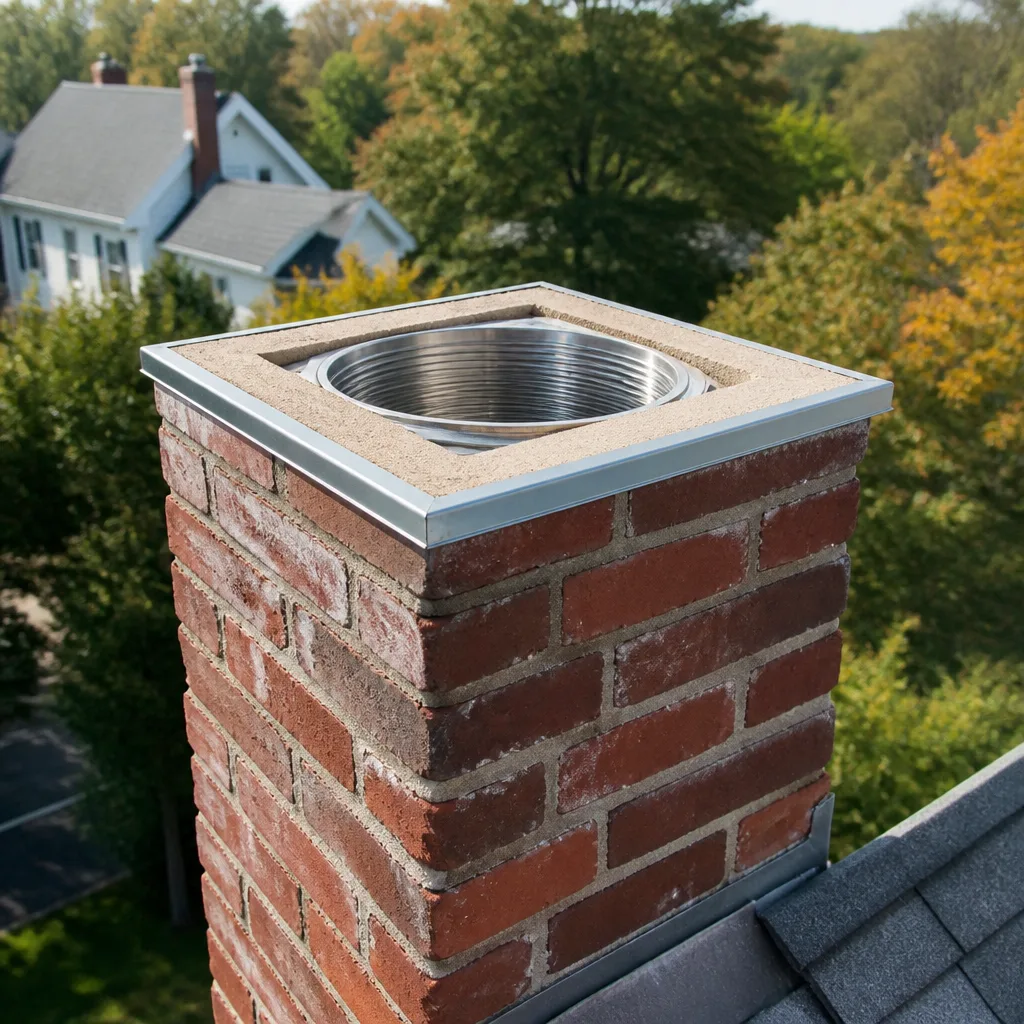 Flue relining
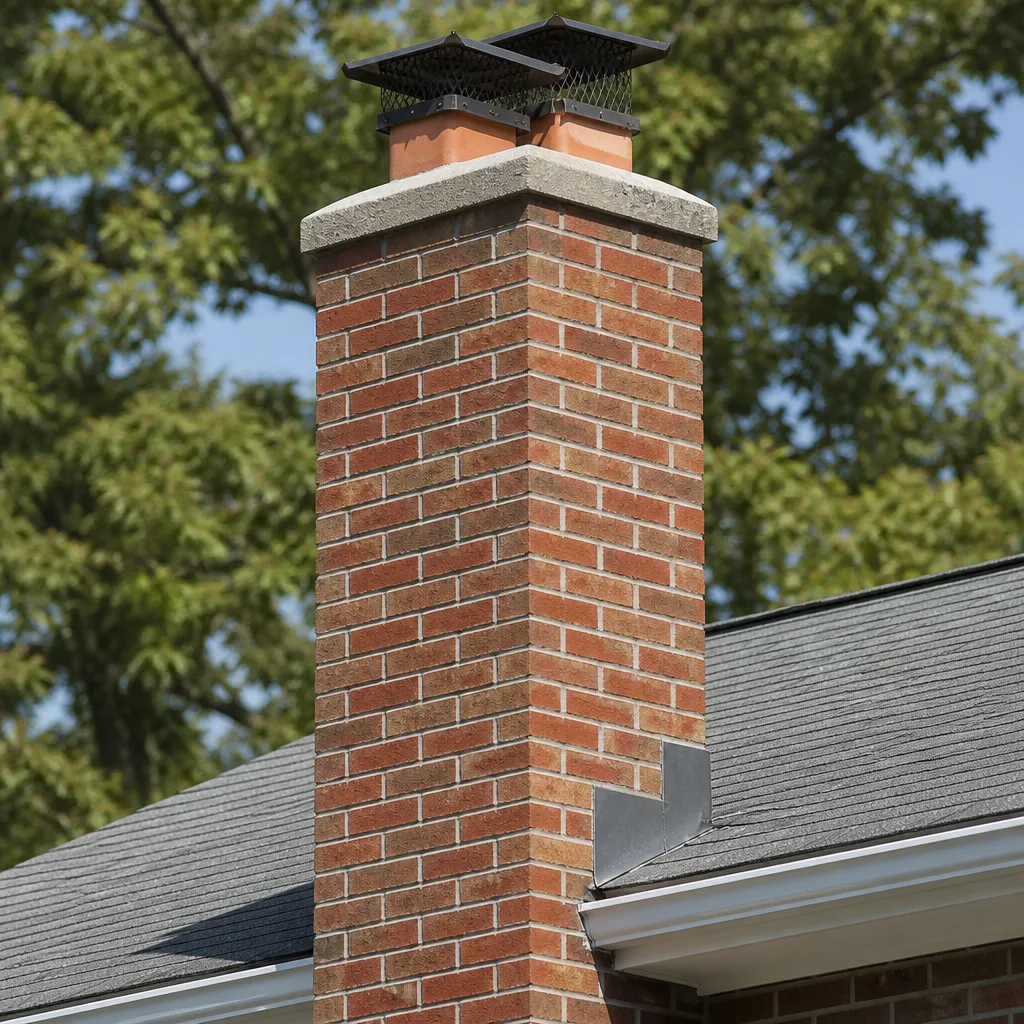 Masonry repair
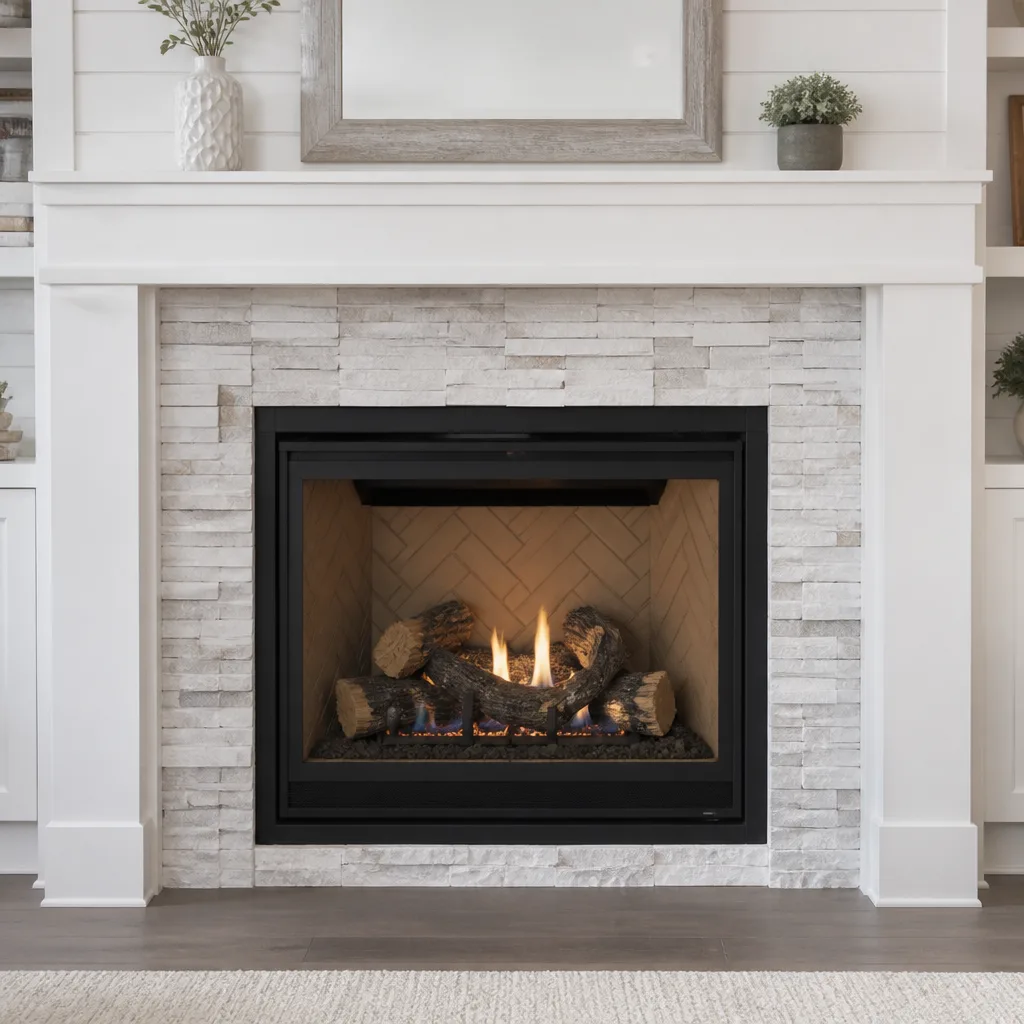 Gas fireplace service
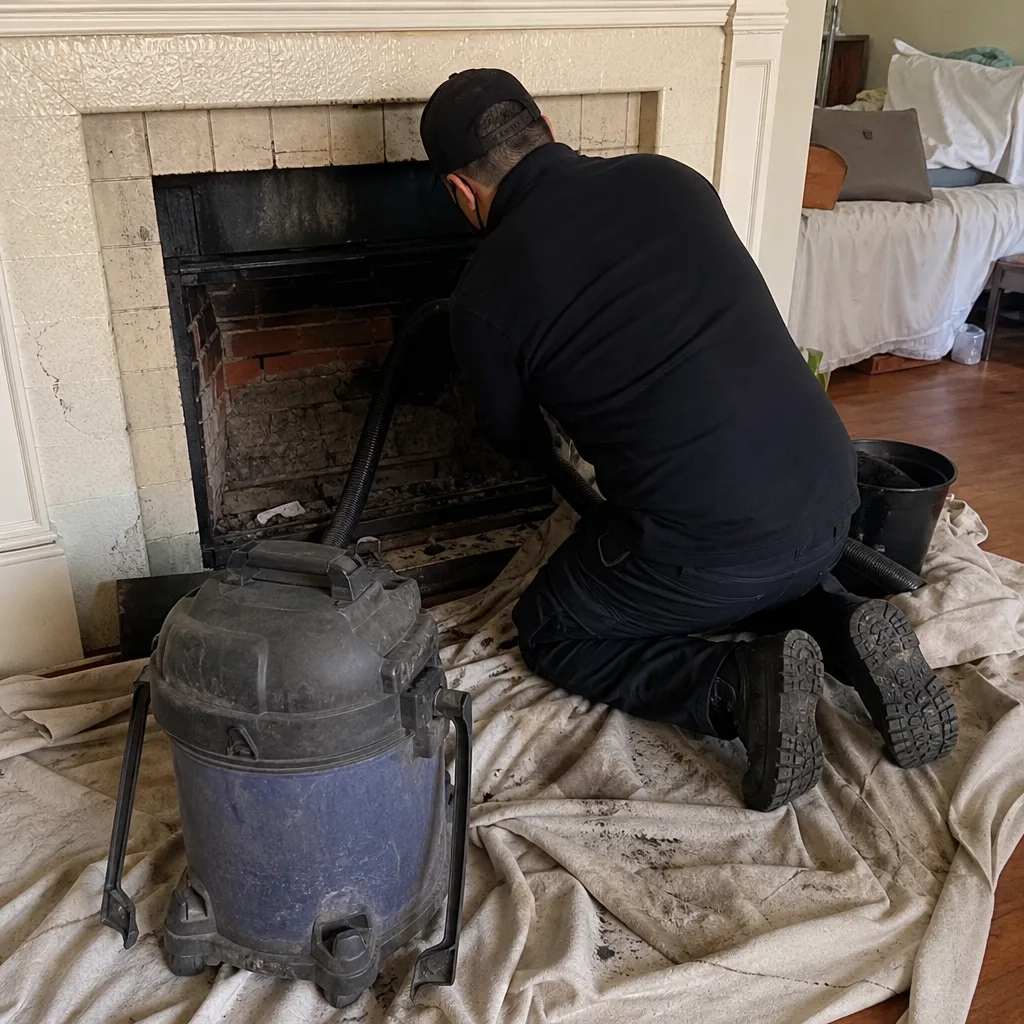
Level 1 sweep and inspection to the NFPA 211 annual standard - flue, crown, cap, and flashing checked and photographed
Chimney sweep logs do not sweep chimneys. They loosen some creosote - which then falls where a brush and vacuum still have to collect it.
Chimney Cleaning Emergency Preparedness Guide for South Gate Homes
The most dangerous chimney fire scenario in South Gate isn’t a visible flame shooting from the top of your house. It’s a slow-burning creosote fire inside the flue that can reach 2,000°F while the homeowner smells only a faint, acrid odor and assumes the fireplace is simply running a little hot. By the time flames become visible, the fire has often already cracked the flue liner and started transferring heat into the surrounding framing. This guide walks through the specific warning signs, the correct emergency response sequence, and the preparedness steps that prevent a first-use fire from happening at all. You’ll learn what a chimney fire actually sounds like, when to call the South Gate Fire Department versus a chimney professional, and what documentation you’ll need for an insurance claim after an incident.
Quick Answer
Chimney emergency preparedness in South Gate means recognizing the early signs of a creosote fire (a loud cracking or popping sound from the flue, dense smoke inside the home, or a strong oily smell), knowing to evacuate and call 911 while keeping the damper closed if it’s safe to do so, and having a Level 2 inspection completed before the fireplace is used again. The single most effective prevention step is scheduling a professional chimney sweep before the first cold-weather fire of the season, since creosote accumulation from prior use is the primary fuel source for chimney fires.
Styles & brands we work with
- Sweep & inspection
- Caps & crowns
- Flue relining
- Masonry repair
- Gas fireplace service
Table of Contents
- Why Chimney Fires Cluster at Specific Times in South Gate
- Recognizing a Chimney Fire in Progress: Sounds, Smells, and Visual Cues
- The Emergency Response Sequence: What to Do in the First Five Minutes
- Post-Chimney-Fire Protocol: The Level 2 Inspection Requirement
- Carbon Monoxide Preparedness for Gas Fireplace Homes
- Pre-Season Emergency Preparedness Checklist for South Gate Homes
- Santa Ana Wind Events and Chimney System Risk
- Common Mistakes to Avoid
- When to Call a Professional
- Frequently Asked Questions
Why Chimney Fires Cluster at Specific Times in South Gate
Chimney emergencies don’t distribute evenly across the calendar year. We’ve worked on enough South Gate fireplaces to know the pattern: the first cold snap in late October or early November triggers a wave of calls from homeowners whose fireplaces haven’t been used since February or March. The creosote that built up during the previous heating season has had six to eight months to harden and cure, becoming more combustible and more difficult to remove with a standard brush. When that first fire ignites against a season’s worth of dormant creosote, the conditions for a chimney fire are already in place.
The second cluster happens during Santa Ana wind events. South Gate sits in a geographic position where the offshore winds can push down through the Los Angeles Basin with enough force to reverse normal draft patterns. A fireplace that draws perfectly on a still day can suddenly backdraft when a 40-mile-per-hour gust hits the chimney cap from the wrong angle. This doesn’t cause chimney fires directly, but it can force smoke and carbon monoxide into the living space, which is its own emergency category. Understanding what a professional chimney sweep in South Gate actually checks during an inspection helps explain why wind-related draft problems are often found and fixed before they become dangerous.
The third pattern is the deferred-maintenance emergency. Homes where the chimney hasn’t been swept in three or more seasons tend to experience problems that don’t announce themselves until something fails. A flue that’s 40% obstructed by creosote won’t necessarily catch fire on the first use. It might catch fire on the tenth use, after the homeowner has convinced themselves the fireplace is fine because “it worked all winter.” This is the scenario that makes preparedness difficult: the warning signs are subtle, and the failure is sudden.
South Gate’s housing stock adds another variable. Many homes in the city were built between the 1940s and 1970s, which means unlined or terra cotta-lined masonry chimneys are common. Terra cotta liners crack over decades of heating and cooling cycles, and those cracks create pockets where creosote can accumulate beyond the reach of a standard sweep. When a chimney fire ignites in one of these pockets, the heat can escape through the crack into the surrounding wood framing, turning a contained flue fire into a structural fire. Knowing the age and construction style of your chimney is part of knowing your risk profile.
Recognizing a Chimney Fire in Progress: Sounds, Smells, and Visual Cues
Every homeowner should be able to distinguish normal fireplace operation from an active chimney fire. The difference is not always visually obvious, but the audible and olfactory signatures are specific and learnable.
The sounds of a chimney fire are the most reliable early indicator. A normal fire produces the soft crackle of wood burning. A chimney fire produces something entirely different: a deep, rumbling roar that resembles a freight train or a low-flying jet passing overhead. Homeowners who have experienced one consistently describe it as being loud enough to hear throughout the house, even from another room. The noise comes from the fire drawing massive volumes of air up the flue as it consumes the creosote lining. If you hear a sound like a train coming from your chimney, you are not imagining it, and you should not wait to see flames before acting.
The smells are the second indicator. Creosote has a distinct, sharp, oily odor that becomes acrid when it burns. If the smell from your fireplace shifts from pleasant wood smoke to something chemical and harsh, pay attention. This smell often arrives before the fire becomes visible, especially in the slow-burning phase where the creosote is smoldering rather than flaming. Some homeowners describe it as similar to hot tar or burning plastic.
The visual cues vary depending on the stage of the fire. In the early phase, you may see unusually dense, dark smoke rolling from the chimney top. In the full-involvement phase, flames shoot from the chimney cap, sometimes extending several feet above the roof. Inside the home, look for smoke backing up into the living space, which indicates the flue is not drafting properly because fire is blocking the passage. You may also see glowing embers falling into the firebox from above, which means burning creosote is breaking loose from the flue walls.
One point that catches people off guard: a chimney fire can occur without visible flames in the firebox itself. The fire is in the flue, above the damper, and the fire in the firebox may look completely normal. This is why the sound of the fire is such a critical warning sign. If the fire downstairs looks fine but the chimney is roaring like a jet engine, you have an emergency in the flue.
The Emergency Response Sequence: What to Do in the First Five Minutes
If you suspect a chimney fire is in progress, the sequence of actions matters. Here is the step-by-step response, in order:
- Get everyone out of the house. Do not delay evacuation to try to fight the fire yourself. Chimney fires can spread into the attic and walls within minutes, and the smoke can contain carbon monoxide. Close doors behind you as you exit to slow fire spread.
- Call 911 from outside the home. Tell the dispatcher you suspect a chimney fire and give them your South Gate address clearly. The South Gate Fire Department responds to chimney fire calls as structure fire responses because of the risk of hidden fire in the framing. Do not call the fire department after the fact if you didn’t evacuate immediately during the event; if the fire burned itself out, you still need documentation for insurance and a professional inspection before use.
- If you can do so safely, close the damper before evacuating. This cuts off the fire’s oxygen supply and can slow the burn. However, this step only applies if the fire is in the early, rumbling phase and you are already near the fireplace. If the fire is fully involved with flames visible at the chimney top, skip this step and get out. In our experience reviewing South Gate chimney fire responses, attempting to close a damper during a fully developed flue fire poses more risk than benefit.
- Do not spray water into the fireplace or chimney. The thermal shock can crack the flue liner instantly and turn a contained flue fire into a structural fire. Water on a chimney fire is one of the most common homeowner mistakes, and it converts a repairable situation into a full chimney rebuild.
- Wait for fire department clearance before re-entering. The department will determine whether the fire is fully extinguished and whether heat has spread to surrounding structure. They use thermal imaging to check for hidden hot spots in the walls and attic, something a homeowner cannot assess visually.
- Secure the scene for the next step. After the fire department clears the home, do not use the fireplace, do not start another fire, and do not attempt to clean the chimney yourself. The system needs a Level 2 inspection before it can be safely used again.
The distinction between calling 911 and calling a chimney professional matters. During an active fire, 911 is the only call. After the fire is out and the department has cleared the scene, the chimney professional becomes the right call for determining what happened and what repairs are needed. The emergency response and the recovery response are separate phases with separate responsible parties.
Post-Chimney-Fire Protocol: The Level 2 Inspection Requirement
NFPA 211, the national standard for chimney systems, requires a Level 2 inspection after any chimney fire, any structural event (earthquake, wind damage), or any change to the system. This is not a recommendation. It is the minimum standard, and skipping it after a chimney fire means accepting the risk of a second, often more serious fire because the damage from the first one has gone unaddressed.
A Level 2 inspection goes beyond the visual check of a basic Level 1 sweep. It includes video scanning of the entire flue interior, which reveals the cracks, gaps, and spalled liner sections that a chimney fire can cause. The camera documents what the eye cannot see, and that documentation becomes the basis for both the repair plan and the insurance claim. Chimney fires frequently crack terra cotta liners in South Gate’s older masonry chimneys, and a cracked liner means the system no longer contains heat, gases, or sparks the way it is designed to. Chimney repair in South Gate after a fire often involves liner replacement or resurfacing, and the right repair depends on the specific damage pattern the camera reveals.
For insurance purposes, you need the following documentation:
- A copy of the fire department incident report, which establishes that a chimney fire occurred on the property.
- The Level 2 inspection report with video scan documentation, which establishes the scope of the damage.
- Photographs of any visible damage to the firebox, damper, chimney cap, or surrounding masonry.
- Any receipts or records from prior chimney sweeps or inspections, which demonstrate the maintenance history.
- A written repair estimate from a qualified chimney professional specifying the required work to return the system to safe operation.
The insurance claim process is simpler when the homeowner can show a history of regular maintenance. A neglected chimney that hasn’t been swept in years often faces a more difficult claims conversation than a chimney with documented annual sweeping that still experienced a fire due to liner failure or an unusual fuel event. This is one of the practical reasons annual sweeping matters beyond the immediate fire prevention benefit.
One thing we’re direct about with South Gate homeowners: a chimney fire does not automatically mean a complete rebuild. Depending on the liner type and the fire’s duration, the repair might range from a HeatShield ceramic resurfacing to a partial reline with a DuraFlex liner system to a full rebuild. The Level 2 inspection tells you which category you’re in. Until that inspection happens, no one should be quoting you a repair, and you should not be using the fireplace.
Carbon Monoxide Preparedness for Gas Fireplace Homes
Gas fireplaces and gas log inserts present a different emergency profile than wood-burning systems. They don’t create creosote, so chimney fires are not the primary risk. The primary risk is carbon monoxide (CO), produced when natural gas burns incompletely or when combustion gases fail to vent properly. In South Gate, where many homes have converted wood fireplaces to gas log sets or installed vented gas inserts, CO preparedness is a core part of chimney emergency readiness.
CO from a chimney system behaves differently than CO from a furnace or water heater. A furnace or water heater typically operates continuously for extended periods, so a CO event from those appliances tends to build gradually, triggering the alarm after the gas has been accumulating for some time. A gas fireplace, by contrast, often produces a sudden CO spike when the venting fails: the flue becomes blocked by a bird nest, a wind event backdrafts the exhaust into the room, or the vent connector has separated. The CO arrives fast, and the alarm may sound within minutes of lighting the fire.
This distinction matters for response. A CO alarm from a gas fireplace that occurs immediately after lighting the fire, and that does not stop when the fireplace is turned off, indicates a venting problem that needs a chimney sweep in South Gate to diagnose and correct. A CO alarm that sounds with the fireplace off and nothing else running points toward a different appliance and a different response.
Detector placement for gas fireplace homes is specific, not generic. CO detectors should be installed on every level of the home and outside each sleeping area, per California law. For homes with gas fireplaces, a detector in the same room as the fireplace is also appropriate. Place it on the wall or ceiling, not directly above the fireplace where normal startup combustion gases could trigger nuisance alarms. If a CO alarm sounds, the response is always the same: evacuate the house immediately, call 911 from outside, and do not re-enter until the fire department has measured CO levels and cleared the space.
Gas fireplace maintenance reduces CO risk by keeping the venting path clear. The flue of a gas fireplace still needs sweeping, though less frequently than a wood-burning flue. The removal target is different: dust, debris, bird nesting material, and corrosion byproducts rather than creosote. A blocked or partially blocked gas flue is a CO hazard that an annual inspection catches before it becomes an emergency.
Pre-Season Emergency Preparedness Checklist for South Gate Homes
The most effective emergency preparedness is the kind that prevents the emergency from occurring. South Gate’s heating season enters in October and November, and the weeks before that transition are the right time for a focused set of checks. Here is the pre-season checklist that most reduces the probability of a first-use incident:
- Schedule a professional chimney sweep if it’s been more than 12 months since the last one. The sweep removes the creosote that fuels chimney fires, and the accompanying inspection catches liner cracks, blockages, and draft problems before the first fire of the season. This is the single highest-value preparedness action.
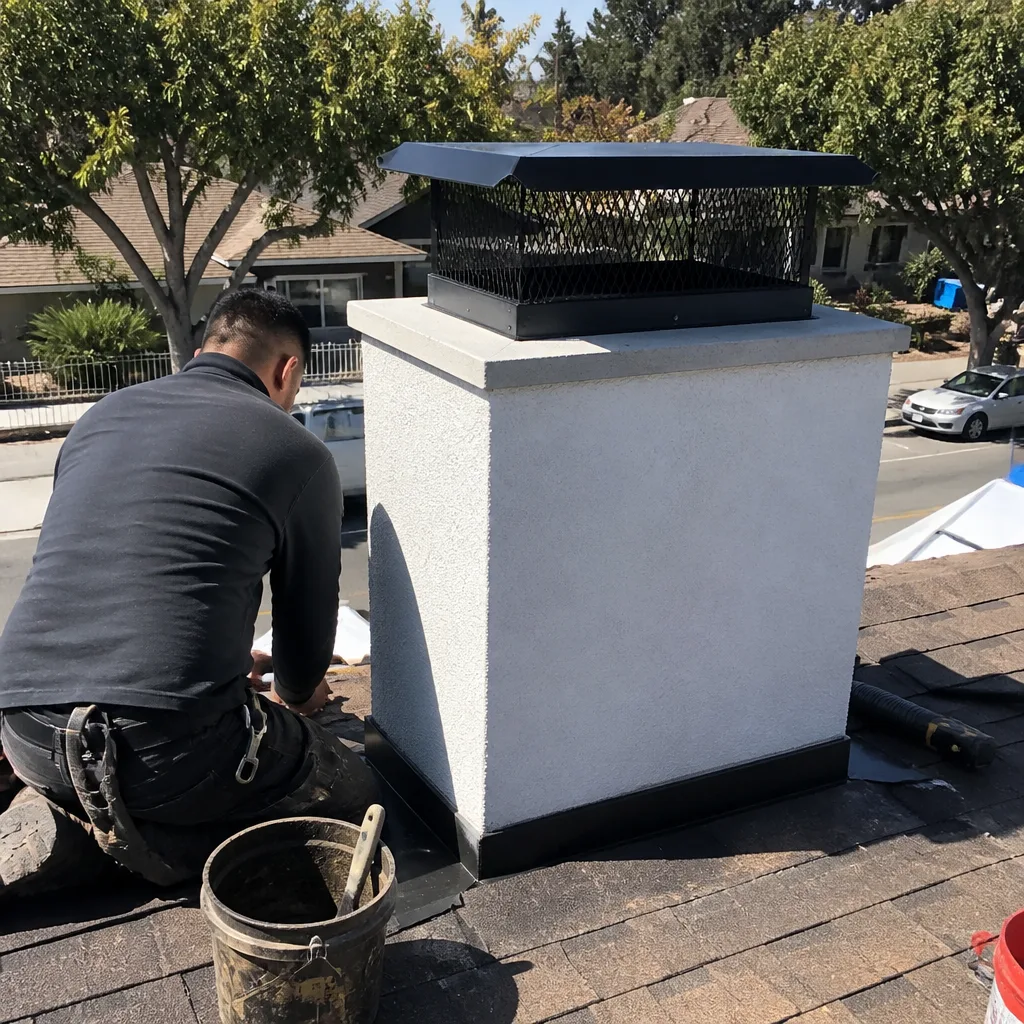
- Check the chimney cap and spark arrestor. Look for visible damage, rust, or missing sections. The cap keeps rain, debris, and animals out of the flue during the dormant season. A missing or damaged cap in South Gate means birds or squirrels may have nested in the chimney during spring and summer, creating a blockage that will cause smoke backup on first use.
- Inspect the firebox and damper visually. Open the damper fully and use a flashlight to look for obvious issues: fallen debris, cracked firebrick, a damper that doesn’t open or close smoothly. A sticky damper is a fixable problem in October and an emergency in November when smoke fills the living room.
- Test carbon monoxide and smoke detectors. Replace batteries, verify the units are within their lifespan (typically 7-10 years), and confirm placement is correct for your home’s layout. A working CO detector is the difference between waking up and not waking up when a venting failure occurs overnight.
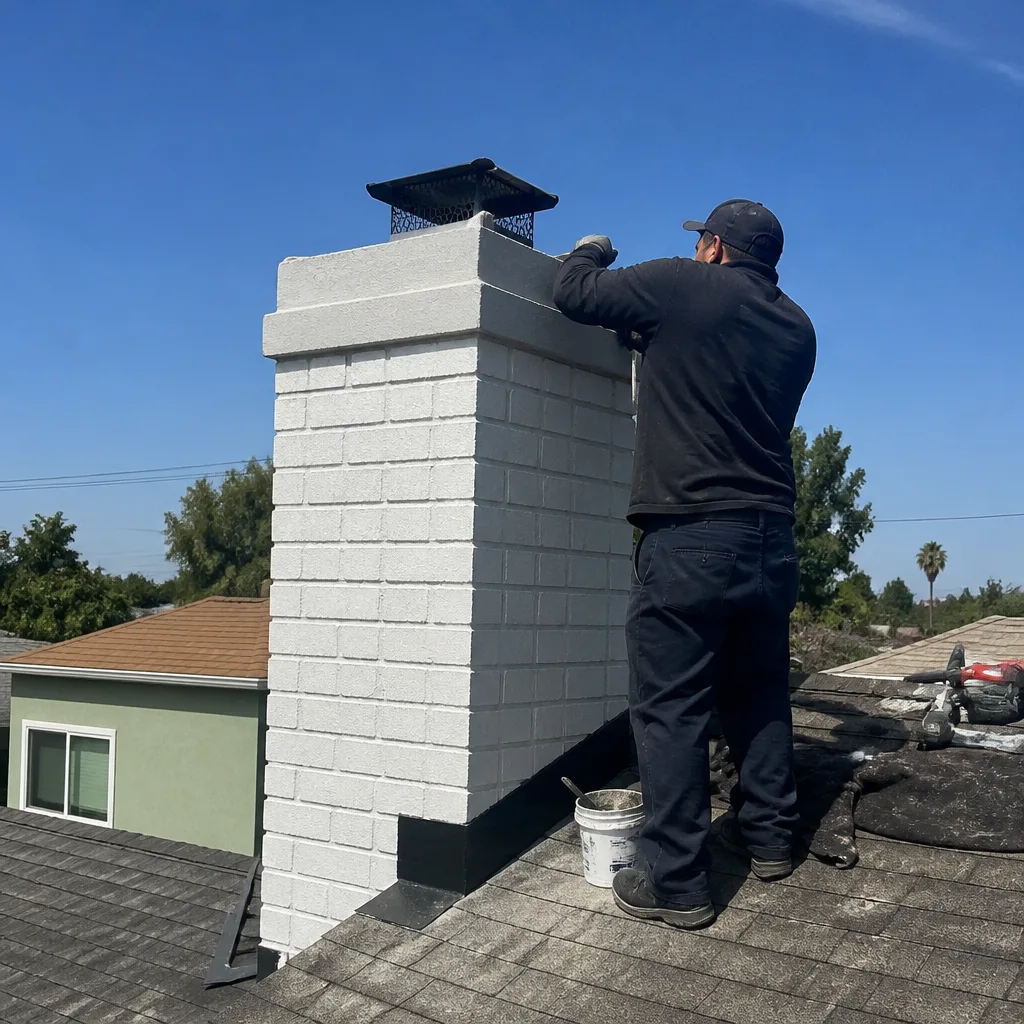
- Walk around the exterior of the chimney. Look for cracked or spalled bricks, loose mortar, and vegetation growing out of the masonry. These are indicators of water damage that has compromised the chimney structure, and water-damaged chimneys fail more dramatically when heated.
- Verify your dryer vent as well. The exhaust system that most often causes house fires in South Gate homes isn’t the chimney; it’s the dryer vent. Lint buildup in the duct restricts airflow, and the heat ignites the lint. A dryer vent cleaning in South Gate before the holidays, when dryer use spikes for guests and long-dry winter fabrics, is a fire-prevention move that belongs in the same preparation window as the chimney sweep. One call covers both systems.
- Know what a chimney fire sounds like, and brief your household on the evacuation plan. The preparedness knowledge in this guide is only useful if everyone in the household has it. A two-minute conversation with family members about the rumble, the acrid smell, and the evacuation sequence converts individual knowledge into household readiness.
These checks are not technical, and most don’t require professional tools. What they require is doing them before the cold front arrives, not after the fireplace has been running for a week and the problem surfaces on a Saturday night when no one is available to respond.
Santa Ana Wind Events and Chimney System Risk
Santa Ana winds are a distinct South Gate emergency condition that receives less attention than it deserves in chimney safety conversations. The winds, which typically arrive between September and February, create two separate risks for homes with wood-burning or gas fireplaces.
First, high winds can reverse the normal draft flow of a chimney. A fireplace operates on the principle of negative pressure: warm air rises up the flue, pulling smoke with it. When a Santa Ana gust hits the chimney cap at the right angle with sufficient force, it overcomes that rising warm air and pushes it back down the flue into the home. The result is sudden smoke and combustion gases entering the living space, which is alarming, unhealthy, and potentially dangerous if it includes carbon monoxide.
The draft reversal risk is higher in homes with certain chimney characteristics. Short chimneys, chimneys with damaged caps, chimneys without proper spark arrestors, and chimneys with compromised flue liners are all more susceptible. South Gate’s older single-story homes with relatively short chimneys can experience draft problems on windy days that newer, taller chimney construction simply doesn’t. This is part of why we recommend a pre-season inspection even for homes that will burn only occasionally: the inspection catches the conditions that make wind-related draft problems more likely.
Second, Santa Ana winds carry debris that can land in and around the chimney system. Leaf litter, branches, and occasional plastic debris can lodge against the spark arrestor or partially block the flue. When the wind event passes and the fireplace is lit, that debris either burns (creating a fire hazard in the arrestor) or blocks the flow (creating a smoke event). A visual check of the chimney cap after a significant wind event is a reasonable habit for any wood-burning household.
Operating a fireplace during an active Santa Ana wind event is a personal judgment call, but if the wind is strong enough to scatter patio furniture, it is strong enough to disrupt chimney draft. The safest practice is to avoid burning during the strongest wind hours and to have the system inspected if backdrafting occurs even once. A single smoke-back event during wind is a warning sign that the system has a draft vulnerability.
Common Mistakes to Avoid
- Ignoring the “train sound” because there’s no visible flame. The loud rumbling from the flue is the primary indicator of a chimney fire. Waiting for flames to appear before calling 911 means waiting until the fire has reached full involvement, which increases the damage and the repair cost dramatically.
- Spraying water into a burning chimney. Thermal shock cracks flue liners instantly. The water hits the hot ceramic or metal, and the rapid contraction splits it open, creating a path for the fire to reach the house framing. This mistake turns a liner repair into a full chimney rebuild.
- Using the fireplace again after a small chimney fire without an inspection. A “small” fire that burned itself out still damaged the liner. The next fire operates in a system with compromised containment, and the result is often a structural fire that starts inside the wall where no one can see it.
- Assuming gas fireplaces don’t need chimney maintenance. Gas fireplaces don’t produce creosote, but they do produce carbon monoxide, and their venting systems need the same inspection and cleaning discipline. The assumption that gas means maintenance-free is a CO incident waiting to happen.
- Deferring the pre-season sweep because “we barely used the fireplace last year.” A full season of “barely used” still deposits creosote, and a dormant season after that means the creosote has cured and hardened into a more combustible form. Low usage doesn’t remove the need for inspection; it changes the risk profile.
- Treating the dryer vent as separate from chimney safety. Lint fires in dryer vents are one of the leading causes of residential structure fires in Los Angeles County. A household that takes chimney safety seriously but ignores the dryer vent has missed the more likely fire source. At Chimney Sweep South Gate, we treat both exhaust systems as part of the same fire prevention picture, because they are.
When to Call a Professional
Call a chimney professional immediately after a chimney fire, even a small one, because the Level 2 inspection is mandatory before the fireplace can be used again. Call if you’ve experienced smoke backing up into the home during a Santa Ana wind event, since this signals a draft vulnerability that will repeat. Call if your chimney hasn’t been swept in more than a year and you’re preparing to start the heating season. Call if your CO detector has triggered during fireplace use, even if the fire department cleared the scene and the alarm has stopped. Call if you see visible cracks, spalling, or water stains on the chimney exterior; these indicate structural issues that heating will make worse. Chimney Sweep South Gate offers free estimates in South Gate – call (833) 958-8849.
Frequently Asked Questions
A standard chimney sweep in South Gate typically ranges from $150 to $300 depending on the level of creosote buildup, the chimney height, and whether any blockages need removal. A Level 2 inspection with video scanning, which is required after a chimney fire, typically costs more due to the camera documentation and detailed reporting. Call (833) 958-8849 for an exact quote on your specific system – estimates are free.
The NFPA 211 standard recommends an annual inspection and sweeping as needed for all wood-burning fireplaces and stoves, regardless of how often they’re used. Gas fireplace flues can typically go longer between cleanings, but the venting system should still be inspected annually. South Gate homes that burn frequently during the winter should expect at least one sweep per year, and homes that burn oak or other dense woods may need mid-season attention.
A chimney fire sounds like a loud rumbling or roaring, often compared to a freight train or a low-flying jet, coming from the chimney or flue area. The sound is loud enough to hear throughout the house and is entirely different from the normal crackle of burning wood. If you hear this sound, evacuate and call 911 from outside the home.
Yes, a fireplace can typically be used the same day it’s swept, provided the sweep finds no issues that require repair before safe operation. The cleaning removes the creosote and debris, and the fireplace is ready for a fire immediately. This is one of the reasons scheduling a pre-season sweep in October or November sets you up for the entire heating season.
No, gas fireplaces do not create creosote because they burn natural gas rather than wood. However, gas fireplace flues still collect dust, debris, and potential blockages that can cause carbon monoxide to vent improperly into the home. The CO risk from gas fireplaces is real, and the venting system still needs periodic professional attention.
Creosote accumulates in layers with each fire, and after two to three seasons without sweeping, the flue can become significantly restricted, sometimes reducing the draft area by half or more. That creosote is the fuel for a chimney fire, and if it ignites, the result is often a cracked liner, structural damage, and a repair cost that far exceeds what the skipped sweeps would have cost. The first sign of the problem is sometimes the fire itself.
The Bottom Line
Chimney emergency preparedness in South Gate comes down to understanding the patterns, recognizing the warning signs, and doing the pre-season work that makes emergencies unlikely. Chimney fires don’t happen randomly: they cluster around first seasonal use, Santa Ana wind events, and homes where maintenance was deferred through the dormant months. Knowing the sound of a chimney fire, the correct evacuation sequence, and the post-fire inspection requirements converts a chaotic event into a managed response. The pre-season checklist is the part that actually reduces your risk. For more guides & resources, visit our blog. Sweep before the first fire, check the cap and the damper, verify the detectors, and treat the dryer vent as part of your fire safety picture. One call covers it: (833) 958-8849.
Written by the team at Chimney Sweep South Gate, serving South Gate since 2013.
See the difference
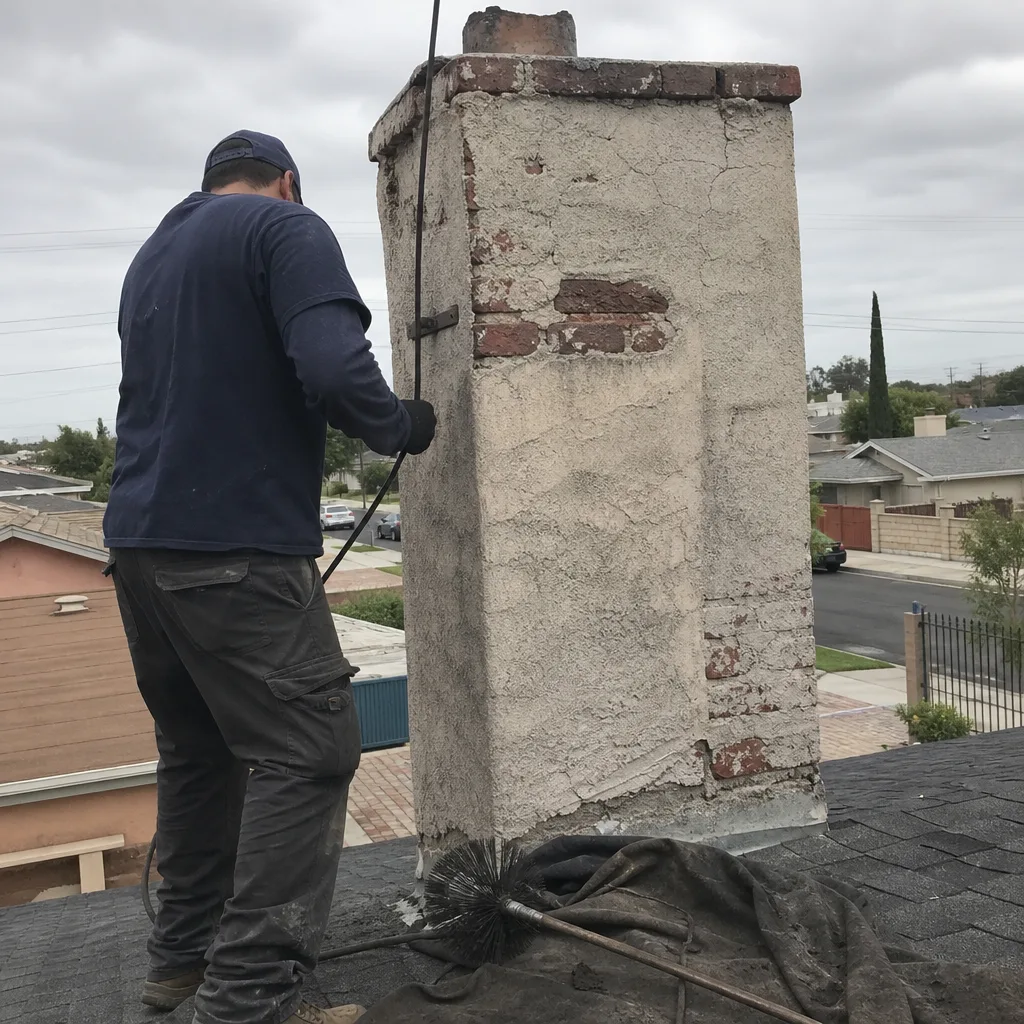 Before
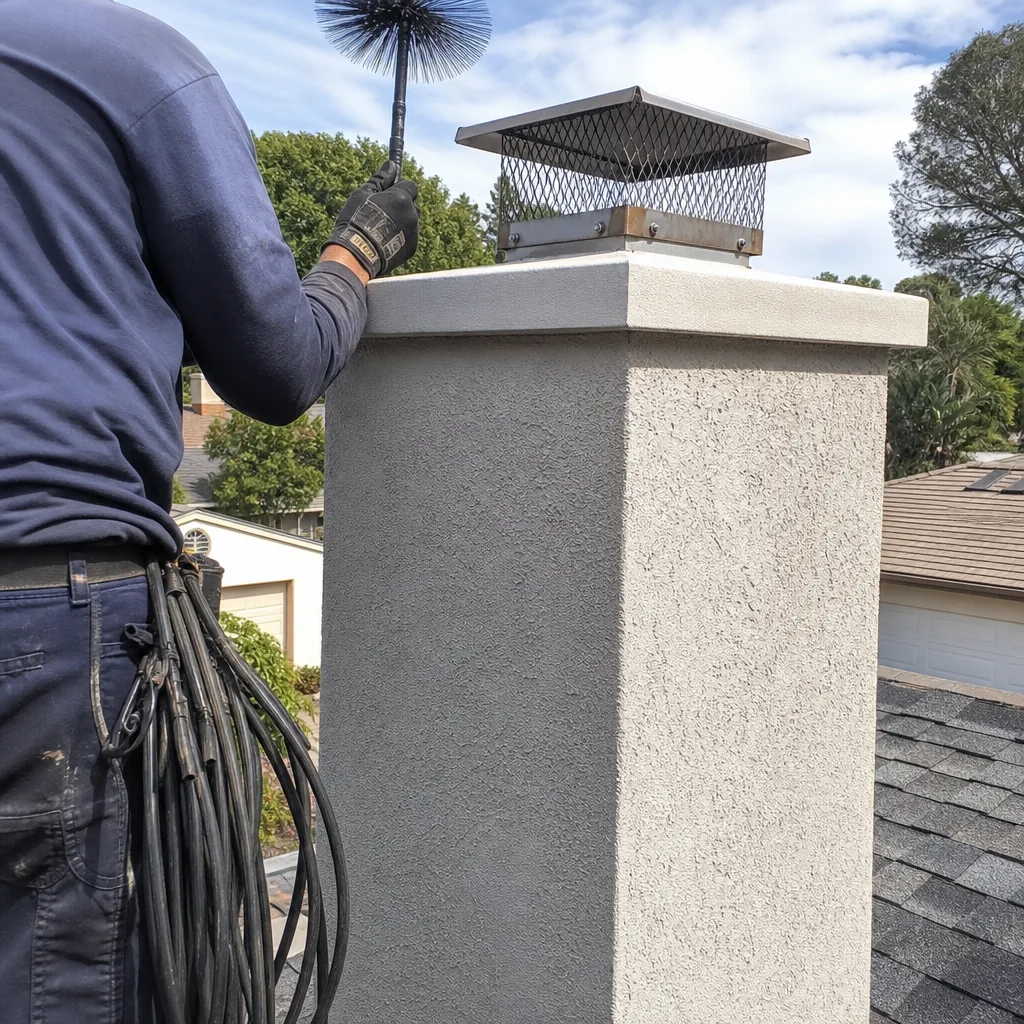 After
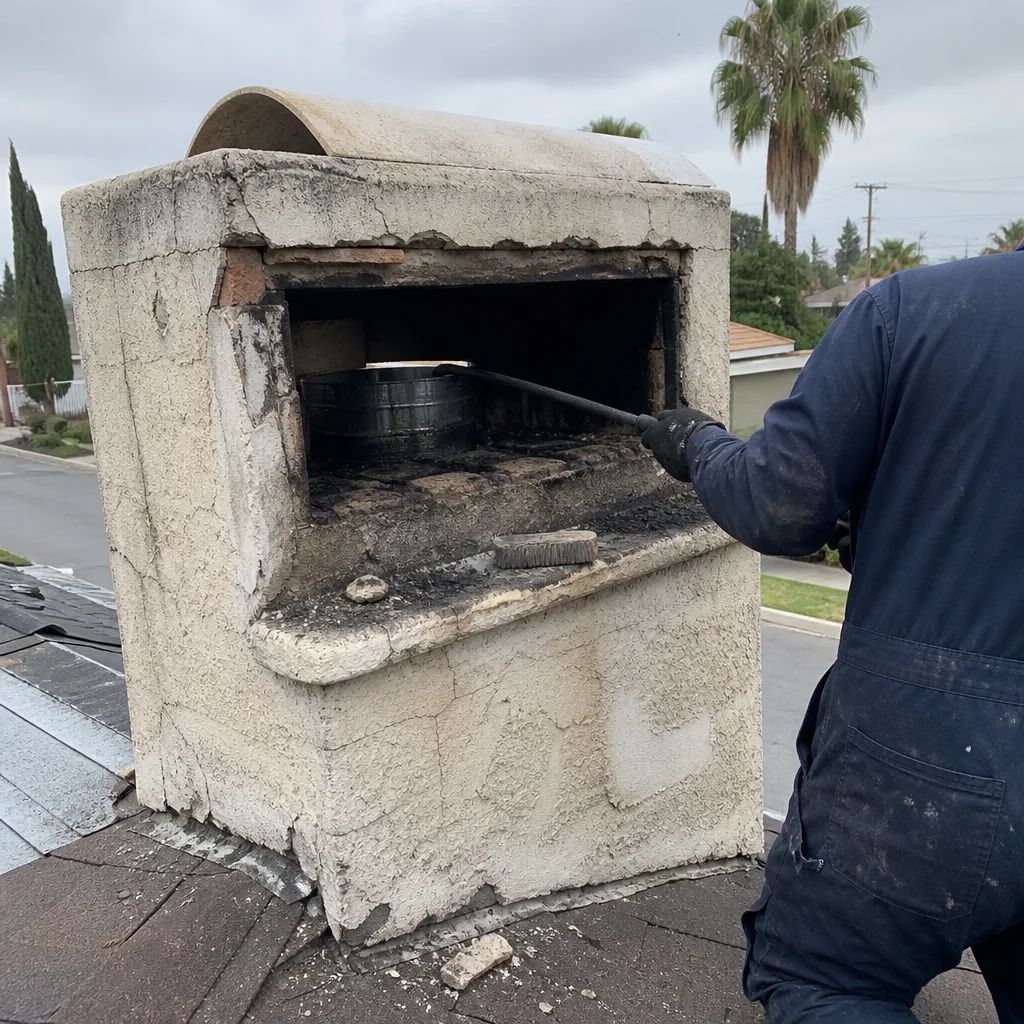 Before
 After
 Before
 After