
Last updated November 2, 2026
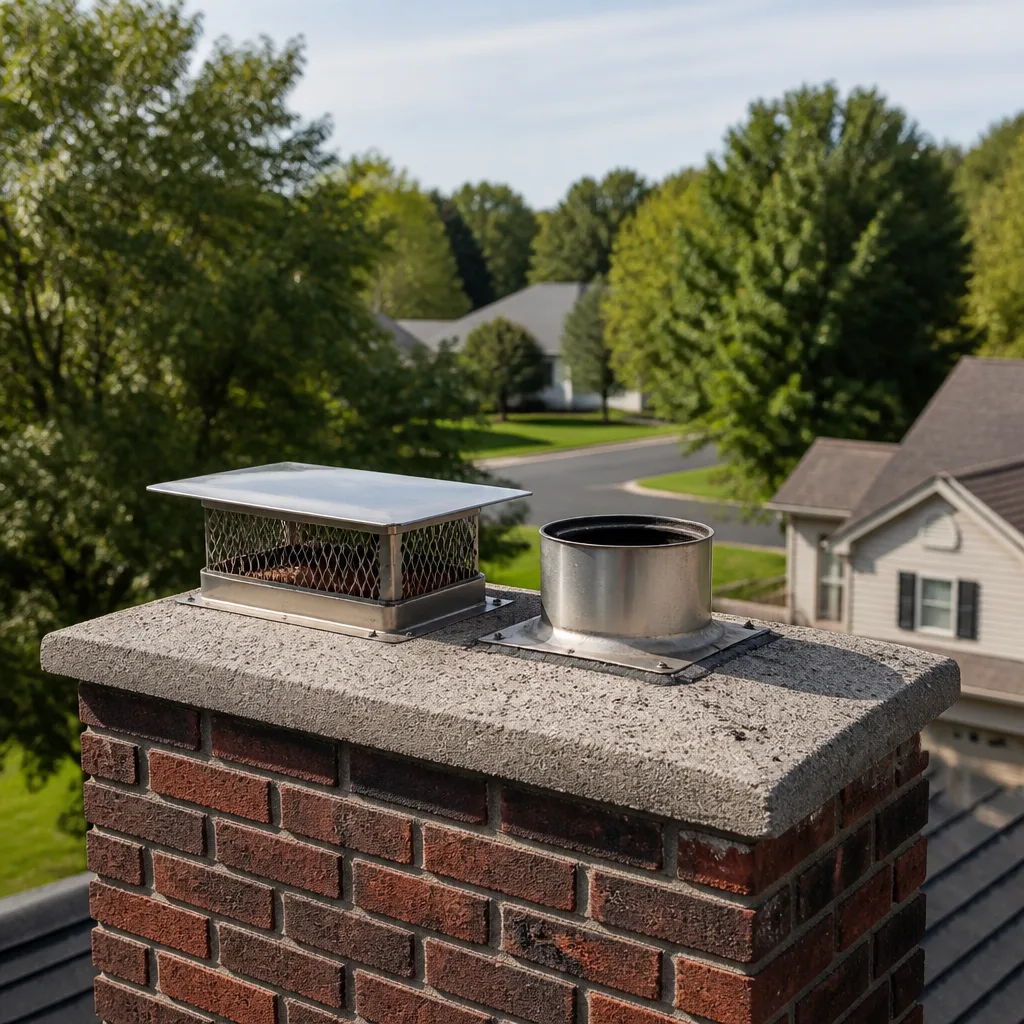 Sweep & inspection
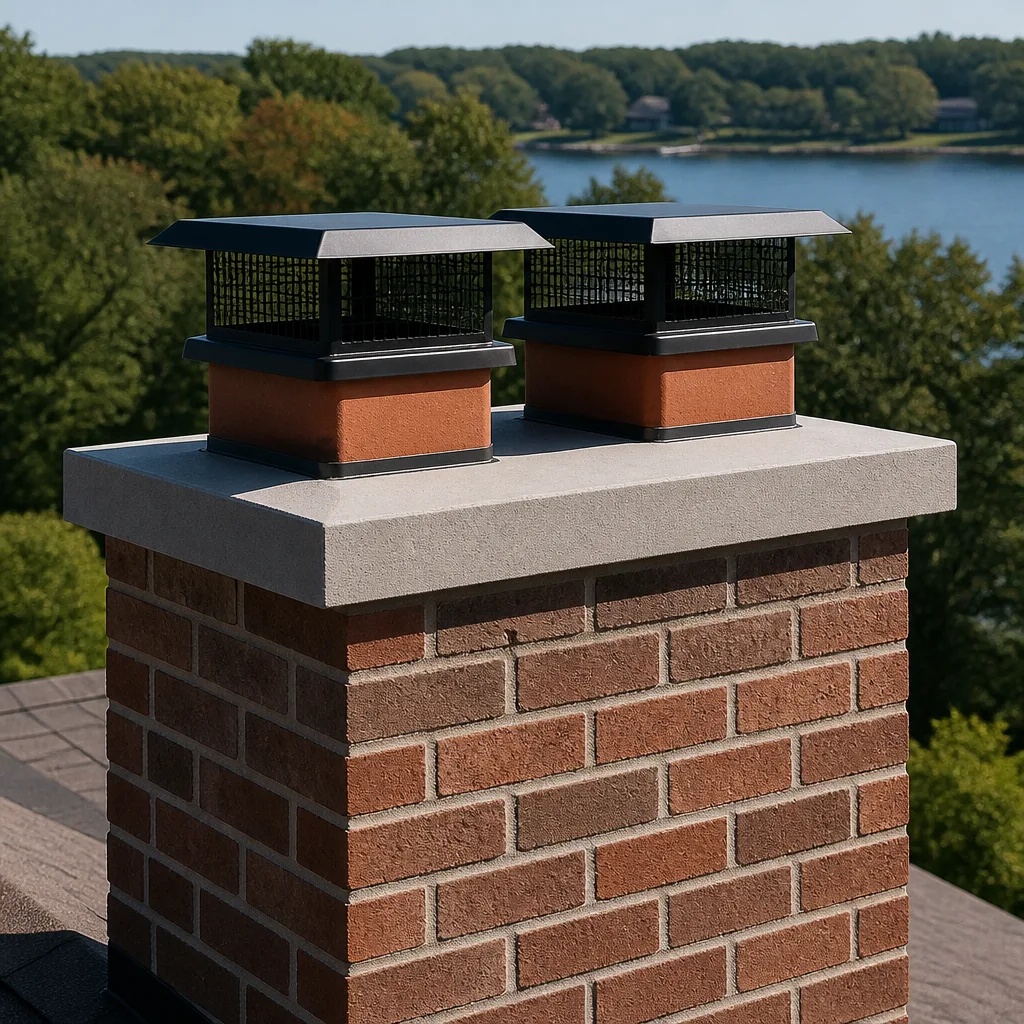 Caps & crowns
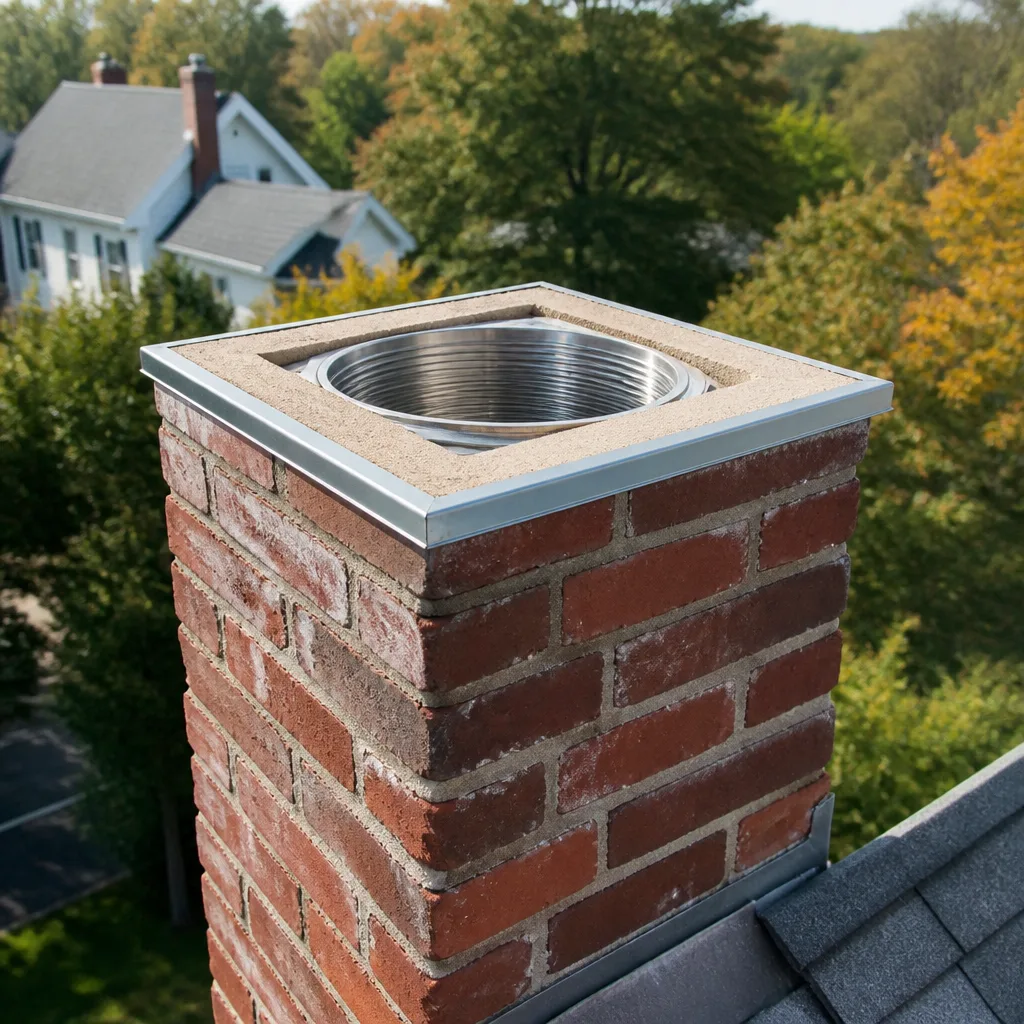 Flue relining
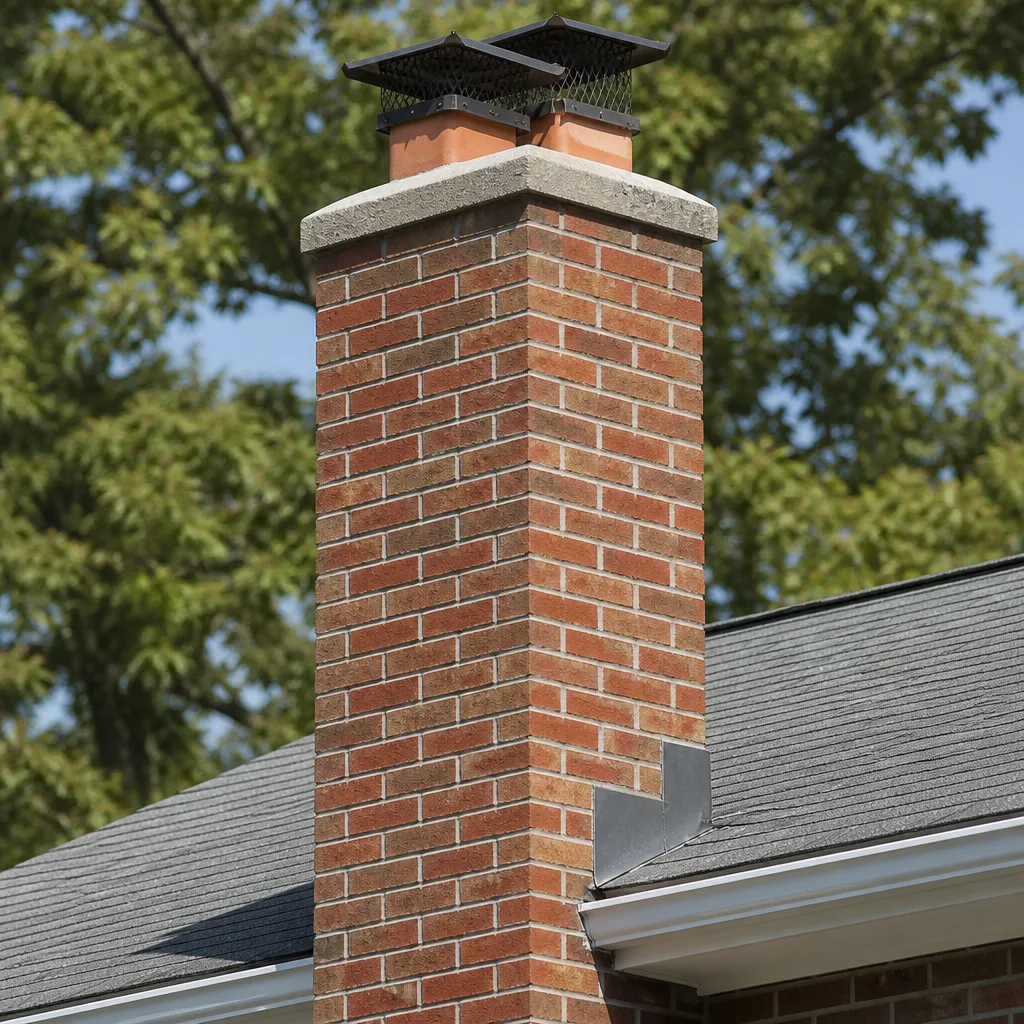 Masonry repair
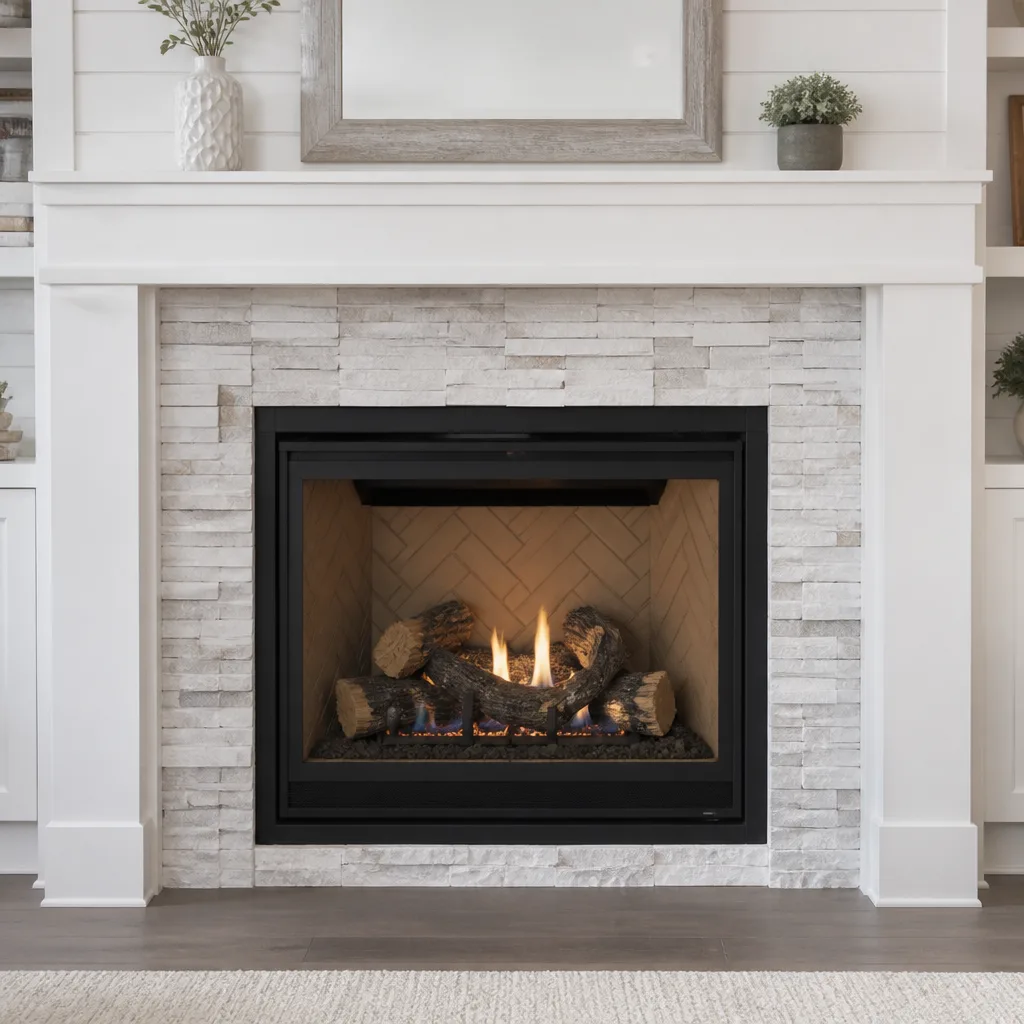 Gas fireplace service
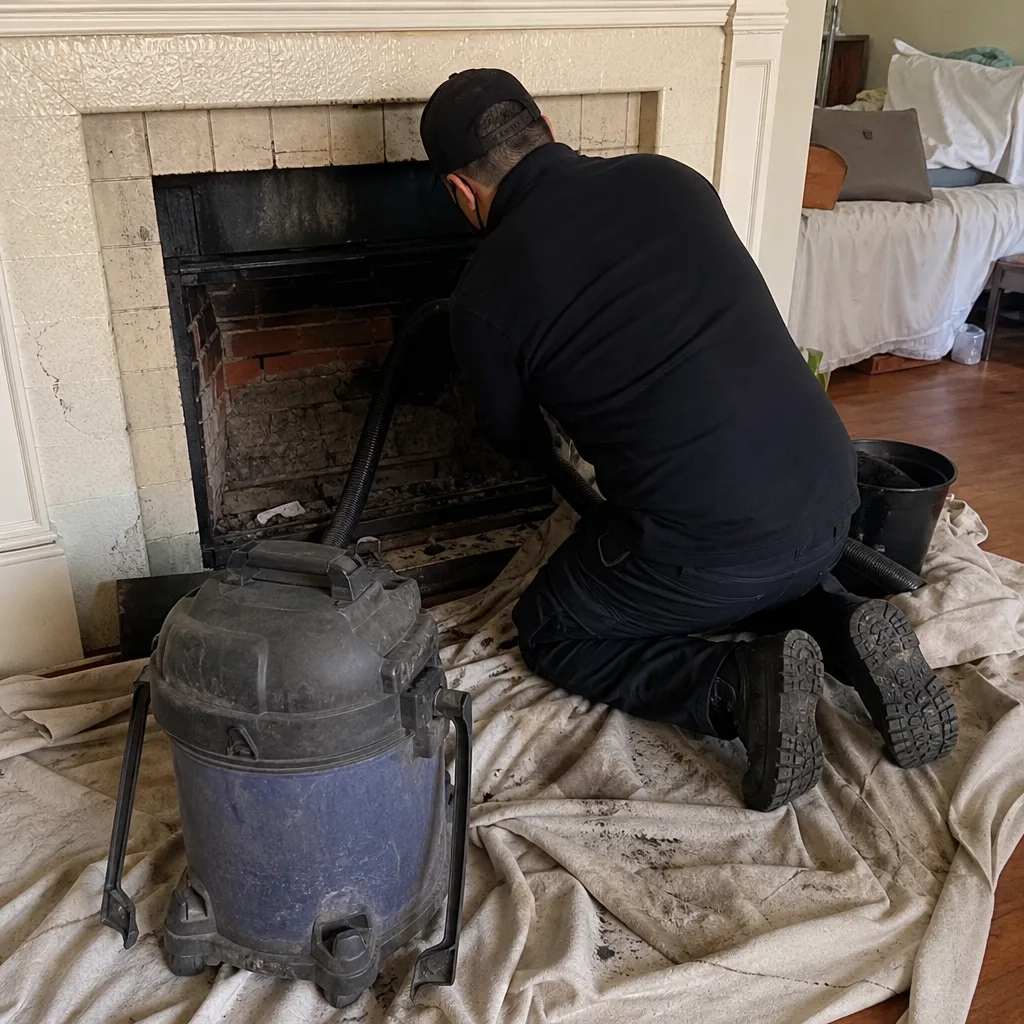
Level 1 sweep and inspection to the NFPA 211 annual standard - flue, crown, cap, and flashing checked and photographed
Chimney sweep logs do not sweep chimneys. They loosen some creosote - which then falls where a brush and vacuum still have to collect it.
Chimney Cleaning Warning Signs: A South Gate Homeowner’s Reference Guide
Spalling brick at the firebox base isn’t cosmetic. It’s evidence of moisture intrusion that’s already compromising the mortar matrix, and it typically shows up 12 to 18 months before a structural failure becomes expensive. Most chimney warning sign lists tell you to call someone if you see smoke rolling into the room. That’s not early detection. That’s the last chapter. This guide is built around the subtler signs, the ones that appear months before a chimney fire or carbon monoxide event becomes possible, and it’s written specifically for the conditions we see across South Gate homes: older masonry, coastal-influenced humidity cycles, and seasonal use patterns that let problems develop quietly during the off months. For more guides & resources, see our blog.
Styles & brands we work with
- Sweep & inspection
- Caps & crowns
- Flue relining
- Masonry repair
- Gas fireplace service
Quick Answer
The earliest chimney cleaning warning signs in South Gate are usually not smoke related. Look for efflorescence (white mineral staining) on exterior brick, a sour or sharp odor near the fireplace on humid days, and dark creosote flakes accumulating on the firebox floor after only a few burns. Any one of these means the flue is retaining moisture or combustion byproducts and a professional inspection is warranted before the next fire.
Table of Contents
- Smoke Behavior: What Rollout, Backdraft, and Intermittent Puffing Actually Mean
- Exterior Warning Signs on South Gate Homes: Efflorescence, Cap Rust, and Crown Cracking
- Interior Odor Types and What Each One Indicates
- Sweep Now vs. Stop Using the Fireplace: A Clear Action Threshold
- How to Photograph and Document Warning Signs Before a Contractor Arrives
- South Gate-Specific Factors: Climate, Housing Stock, and Code Realities
- Creosote Stages: Why “Some Buildup Is Normal” Is a Dangerous Oversimplification
- The Dryer Vent Parallel: Warning Signs Most Homeowners Miss
- Common Mistakes to Avoid
- When to Call a Professional
- Frequently Asked Questions
- The Bottom Line
Smoke Behavior: What Rollout, Backdraft, and Intermittent Puffing Actually Mean
Smoke is a language. Most homeowners only hear it when it’s screaming, but the quieter signals tell you much more about the health of your flue system. Here’s what we’ve learned from inspecting hundreds of South Gate fireplaces: the way smoke behaves during the first ten minutes of a fire is a diagnostic tool, and you don’t need special equipment to read it.
Smoke rollout is the term for smoke that spills from the fireplace opening into the room instead of drawing up the flue. A small wisp during startup is common, especially on cold days when the flue is filled with dense air. But sustained rollout, or rollout that happens on every fire regardless of outdoor temperature, points to a structural problem: the flue is too small for the firebox opening, there’s an obstruction in the smoke chamber, or the chimney height is insufficient for the roof line. In South Gate, we see this often in homes where additions or remodels changed the roof geometry without adjusting the chimney. A chimney that once drafted fine now sits in a wind shadow created by a new second story or a neighbor’s roofline.
Backdraft is different and more dangerous. It happens when the chimney reverses direction entirely, pulling outside air down the flue and pushing combustion gases back into the living space. You’ll notice it as a sudden, forceful puff of smoke into the room, often accompanied by a whiff of something acrid. Backdraft is a negative pressure problem: exhaust fans, furnaces, or water heaters are competing with the fireplace for available air and winning. The fix is never just cleaning. It requires evaluating the home’s entire pressure envelope, which is why a chimney professional who understands whole-house ventilation matters. For help diagnosing these issues, see our Chimney Sweep Troubleshooting: Common Problems and How to Fix Them.
Intermittent puffing is the one homeowners most often ignore. The fire burns fine for thirty minutes, then lets out a small puff of smoke into the room, then settles back down. This pattern usually indicates a partial obstruction, often a nest or a creosote accumulation that’s becoming mobile as the flue heats and cools. It can also signal a failing damper that shifts position mid-burn. Either way, puffing is a warning, not a quirk. It means the flue is marginal, and marginal flues become blocked flues with very little additional buildup.
One more smoke sign worth watching: smoke that exits the chimney but hangs low over the roof and drifts back toward the house. That’s a drafting issue related to chimney height, cap design, or nearby obstructions, and it means your family is breathing diluted combustion gases whenever the fireplace runs. A professional-grade cap from a brand like Olympia Chimney or Famco can sometimes resolve this by improving termination airflow, but the diagnosis has to come first. For guidance on selecting quality components, see our Choosing the Right Chimney Cleaning Brand: A Buyer’s Guide for South Gate.
Exterior Warning Signs on South Gate Homes: Efflorescence, Cap Rust, and Crown Cracking
Step outside and look at your chimney. Really look at it. Most exterior damage telegraphs itself for a year or more before it becomes a structural failure, and South Gate’s climate gives these signs a particular rhythm. Warm days followed by cool, damp nights create condensation cycles inside masonry, and those cycles are what accelerate spalling, efflorescence, and crown deterioration.
Efflorescence is the white, chalky mineral staining that appears on brick faces. It’s salt being carried to the surface by water migrating through the masonry. On a South Gate chimney, efflorescence usually tells you that water is entering somewhere above the stain, often through a cracked crown or failed mortar joint. The stain itself is not structural damage, but it’s proof that water is moving through the chimney system, and that water will eventually freeze, thaw, and expand inside the brick. In our coastal-adjacent climate, the freeze-thaw cycle is less aggressive than in the Midwest, but moisture intrusion still causes mortar erosion and brick spalling over time. If you see efflorescence, take a photo. Then check the crown and cap.
Cap rust is easy to spot and easy to misinterpret. A rusted chimney cap is not just ugly. It’s evidence that the cap material is degrading, and a degraded cap lets rain enter the flue directly. Rain in the flue accelerates creosote corrosion (which becomes acidic when wet) and damages the liner. If your cap is showing orange streaking or flaking metal, replace it. This is a low-cost fix compared to liner replacement, and it’s one of the few chimney issues where procrastination reliably increases the eventual bill. We use copper and stainless terminations from brands like Copperfield because they’re designed to withstand years of South Gate’s damp-morning, hot-afternoon cycle without rusting through.
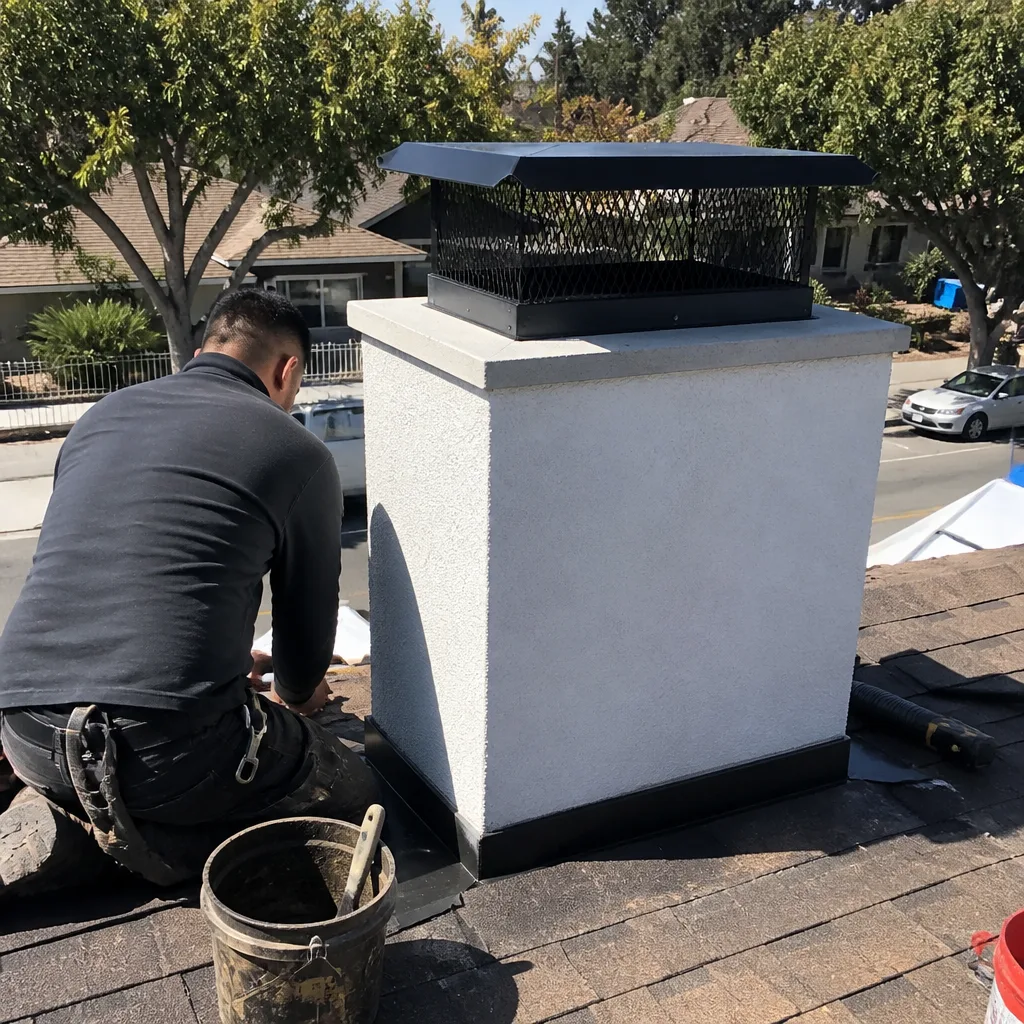
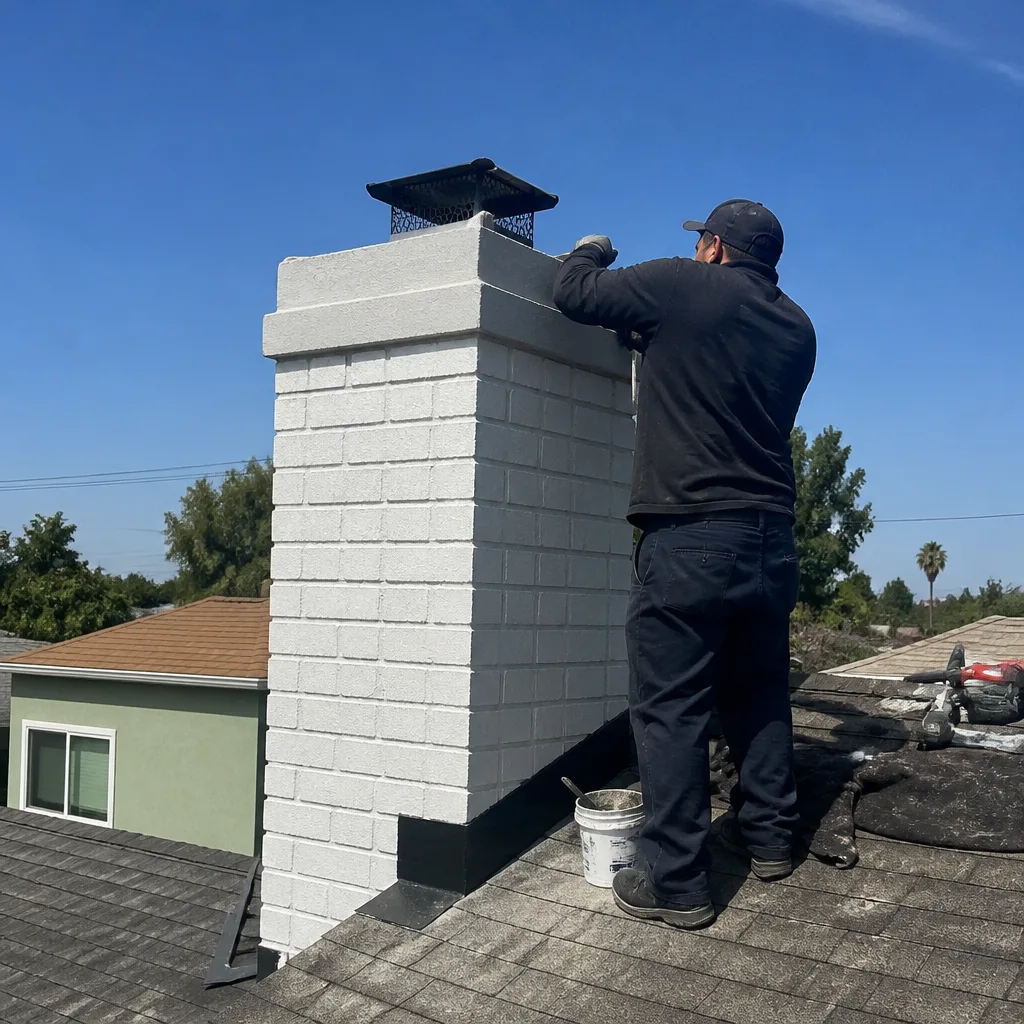
Crown cracking is the most overlooked exterior warning sign because most people never look at the top of their chimney. The crown is the concrete or mortar slab that caps the chimney structure, sealing the top of the brick from weather. Hairline cracks are normal as concrete cures, but cracks wider than about 1/8 inch are entry points for water. Once water gets into the crown, it works down into the brick and mortar, and the damage compounds. Crown repair or replacement is a standard chimney repair service, and catching it early keeps the job small. Left alone, a failed crown leads to spalling brick near the top of the chimney, which then requires rebuilding sections of the stack.
Dark staining that follows a vertical line down the brick is a different sign. It usually indicates water running down from a single point, often a rusting cap or a crack at a specific mortar joint. Track where the stain starts and ends. That line tells you exactly where the water is entering, which makes the repair diagnosis simpler and more accurate.
Interior Odor Types and What Each One Indicates
Odor is the warning sign that works even when you’re not using the fireplace, and it’s frequently the first thing homeowners notice in South Gate during the humid months of late summer and early fall. Warm air rises through the chimney, carrying whatever is inside the flue with it. That means your nose is a legitimate diagnostic tool.
A sharp, acrid, almost chemical smell on warm days is usually creosote. Creosote is the tar-like byproduct of incomplete wood combustion, and in high humidity it becomes more volatile. If your fireplace smells like a hot asphalt parking lot when the weather turns humid, you have enough creosote to warrant a cleaning. This smell often intensifies after rain, which is a strong indicator that the flue is also damp, which makes creosote more corrosive to the liner.
A musty, earthy, animal smell usually means a nest or a dead animal. South Gate has a healthy population of raccoons, squirrels, and chimney swifts, and all of them see an uncapped chimney as prime real estate. The odor is unmistakable once you’ve encountered it: organic, slightly sweet, and usually stronger near the firebox. If the smell is accompanied by scratching sounds or buzzing flies in the room, you have an animal intrusion, and the fix involves both removal and a proper cap to prevent recurrence.
A sulfur or rotten-egg smell is the one that should prompt immediate action. It usually indicates a venting failure somewhere in the home, often a furnace or water heater that shares a flue with the fireplace. Sulfur odors can signal that combustion gases are not exiting the home properly, which is a carbon monoxide risk situation. Stop using the fireplace, check the ventilation for other gas appliances, and call a professional. This is not a wait-and-see smell.
A damp, sooty, wet-ash smell after rain points to water in the flue. It’s the smell of wet creosote and old soot, and it means your cap or crown is allowing water in. The smell is unpleasant, but the real problem is what that moisture is doing to your liner and firebox over time. Wet creosote is acidic, and acid eats through mortar and metal liners.
Sweep Now vs. Stop Using the Fireplace: A Clear Action Threshold
Most guides collapse every chimney warning sign into a single category: “call a professional.” That’s not useful. You need to know which signs mean schedule a cleaning at your convenience and which signs mean do not light another fire until this is resolved. For a structured approach, see our Chimney Sweep Maintenance Checklist for South Gate Homeowners. Here’s the threshold distinction, based on what we tell our own customers in South Gate.
Schedule a sweep when:
- You see more than 1/8 inch of dark, crusty buildup on the firebox walls or damper plate.
- Odor is present on humid days but fire behavior is still normal.
- Efflorescence appears on exterior brick but no cracks are visible in the crown or cap.
- The chimney cap shows light surface rust but is still structurally intact.
- You’ve burned more than one cord of wood since the last cleaning.
- You notice small flakes of creosote on the firebox floor after fires.
Stop using the fireplace immediately when:
- Smoke rolls into the room and persists beyond the first few minutes of a fire.
- You smell sulfur or rotten eggs anywhere in the house, even faintly.
- Backdraft occurs: a sudden, forceful puff of smoke from the fireplace when other appliances are running.
- Cracks wider than 1/8 inch appear in the crown, especially if you can see daylight or debris inside the crack.
- Brick spalling near the top of the chimney is dropping fragments onto the roof or ground.
- Water visibly drips into the firebox during or after rain.
The distinction matters because one path is maintenance and the other is hazard mitigation. A cleaning is a predictable, scheduled service. A structural or venting failure is an emergency in everything but name. When you know which category you’re in, you can make decisions calmly instead of reactively.
How to Photograph and Document Warning Signs Before a Contractor Arrives
Here’s a practice that will serve you well whether you’re working with us or with another company: document everything before the technician arrives. A pre-visit record protects you from misdiagnosis, gives the contractor more information to work with, and creates a baseline for tracking whether conditions are getting better or worse over time. This matters because chimney problems are often slow-moving, and “it looked like that last year” is a claim that’s much easier to verify with photos.
Follow this sequence:
- Photograph the exterior from all four sides. Stand far enough back to capture the entire chimney from roof to foundation. Include the roofline in the frame so the photo shows context. Do this in morning light when shadows are less aggressive.
- Take close-up photos of any staining, cracking, or rust. Get within a few inches. Use your camera’s macro setting if you have one. Include an object for scale, like a coin or a pen, in at least one photo per area of concern.
- Photograph the firebox interior. Open the damper and use a flashlight. Capture the damper plate, the firebox floor, and the first section of flue tile visible from below. These photos will show creosote color and thickness, which tells a story even to an untrained eye.
- Photograph the cap and crown if accessible. If you have a second-story window with a view of the chimney top, use it. A drone photo works too. If you can’t access the top, note that in your records.
- Write down what you observed and when. Include the date, the weather conditions, and whether the fireplace had been used in the prior 48 hours. This context matters. A smoke issue on a cold, damp morning is different from a smoke issue on a dry, warm afternoon.
- Keep all photos in one folder on your phone. Label it with the date. When the contractor arrives, you’ll have a complete pre-visit record that either matches the diagnosis or raises questions worth asking.
This documentation habit has saved our customers real money. A homeowner who photographs efflorescence today and shows it to us six months later gives us information no inspection can provide: the rate of change. Fast-changing staining is a bigger concern than stable staining, and only a homeowner who documents can provide that data point.
South Gate-Specific Factors: Climate, Housing Stock, and Code Realities
Chimney guidance that comes from a national website assumes a national average. South Gate isn’t average. Our climate is Mediterranean with coastal influence, which means mild, sometimes damp winters and long, dry summers. That pattern creates specific chimney conditions that homeowners in other regions don’t face.
First, the long dry season means fireplaces sit unused for months. During that time, creosote that was deposited during winter fires undergoes chemical changes. It hardens, becomes more concentrated, and in some cases becomes glazed, a stage that’s significantly harder to remove. A fireplace in South Gate that gets swept in March and sits unused until November will accumulate a different kind of creosote than one in a colder climate that gets used weekly year-round. This is why we recommend an inspection at the end of summer, before the first fall fire, even if the flue was cleaned the previous spring. The off-season is not neutral time for a chimney.
Second, South Gate’s housing stock is older and mixed. Many homes date from the mid-20th century, with chimneys built to the standards of their era. Framing practices, roof configurations, and original flue liners reflect decades-old building codes. Some of these chimneys were built without liners at all, which is legal for pre-code construction but unsafe by modern standards. If your South Gate home has an unlined chimney, it needs a liner before you use the fireplace again, period. This is not a cleaning issue. It’s a structural and safety issue that requires professional remediation.
Third, the marine layer and its moisture patterns affect masonry differently than dry inland climates. Morning fog and coastal humidity mean that brick and mortar go through daily wet-dry cycles. Over decades, this cycling weakens mortar joints and accelerates the natural deterioration of brick. Homes in South Gate that are closer to the LA River corridor or in lower-lying areas tend to see more of this moisture exposure than homes on higher ground. The practical takeaway: inspect your exterior masonry annually. We can’t say it more plainly than that.
Creosote Stages: Why “Some Buildup Is Normal” Is a Dangerous Oversimplification
Creosote forms in three distinct stages, and the difference between stage one and stage three is the difference between a routine sweep and a serious fire risk. Most homeowners have heard that creosote is dangerous, but almost none can tell you what stage of creosote they have, and that knowledge gap is where the danger lives.
Stage one creosote is a fine, dusty, dark powder. It brushes off easily with standard chimney sweeping tools. This stage is what most people picture when they think of chimney buildup, and it’s the least dangerous. But stage one creosote is also the precursor to everything worse. It doesn’t stay stage one forever.
Stage two creosote is flaky and crusty, more like hardened tar. It resists brushing and requires more aggressive mechanical removal. At this stage, creosote is dense enough to restrict flue airflow, which means fires burn cooler and less efficiently, which means more creosote forms. It’s a self-reinforcing cycle.
Stage three creosote is glazed: a shiny, hard, black coating that looks like glass. This is the stage that fuels chimney fires. Glazed creosote is extremely dense, highly combustible, and effectively immune to standard brush cleaning. Removing it requires chemical treatment or specialized rotary cleaning tools. If your chimney reaches stage three, a standard sweep is not sufficient. You need a professional with the right equipment and, potentially, a liner evaluation to determine whether the flue’s integrity has survived the conditions that created the glaze.
The practical point here is this: the time between stage one and stage three can be as short as a single season of heavy burning with unseasoned wood. If you’re burning wood in South Gate that isn’t properly dried, you’re accelerating that timeline. Split, seasoned hardwood with moisture content under 20 percent produces far less creosote than green wood or softwood. The wood you burn is a chimney cleaning issue, even though it seems like a firewood issue.
The Dryer Vent Parallel: Warning Signs Most Homeowners Miss
Chimneys and dryer vents are the same problem in different packages. Both are vertical exhaust systems that carry combustible material away from a heat source. Both accumulate that material over time. Both fail when the accumulation reaches a critical threshold. And both produce warning signs that most homeowners dismiss.
Clothes that take longer than 40 minutes to dry is the single most common warning sign of a clogged dryer vent, and the one most people attribute to an aging dryer. It’s usually not the dryer. It’s the vent. When airflow is restricted, the dryer’s efficiency drops dramatically. A load that dried in 35 minutes now takes 55. The dryer’s heating element is working fine. The exhaust path is the problem.
A musty smell on your clothes after drying is another signal. Moisture that can’t escape the dryer adequately leaves residual dampness in the fabric, which creates that distinctive sour smell. The vent is not moving air the way it once did.
The exterior vent flap doesn’t open fully when the dryer runs is a sign you can check from your patio or yard. The flap should be pushed open by a steady, warm airflow during operation. If it barely moves or doesn’t open at all, the vent is restricted.
The laundry room feels warmer and more humid than the rest of the house during dryer cycles means the exhaust is leaking somewhere in the vent run, usually through a disconnected joint or a wall penetration that’s no longer sealed. That warm, moist air is carrying lint particles into your home, and it’s a fire risk.
Dryer vent cleaning is a core service for us, not a side offering. Lint is a fire hazard you can’t see from the outside, and the warning signs are easy to ignore because they’re gradual. If you’re noticing any of these signals, check out our Dryer Vent Cleaning in South Gate page for more detail on what a full venting assessment involves.
Common Mistakes to Avoid
- Assuming no smell means no problem. Creosote in early stages doesn’t always produce a noticeable odor, especially in dry conditions. Visual inspection matters more than olfactory comfort.
- Burning a “cleaning log” and considering the chimney swept. These products can convert some creosote to a less sticky form, but they do not remove the buildup. Residual creosote still sits in the flue, waiting for the next fire.
- Ignoring exterior signs because the fireplace “works fine.” The chimney system is more than the firebox. Crown cracks and cap rust affect structural integrity long before they affect fire performance.
- Waiting until fall to inspect a fireplace that was used all winter. By then, if there’s a problem, you’re either delaying the fix or risking a fire during peak season. Schedule inspections in late summer in South Gate when the weather is dry and the chimney is accessible.
- Confusing “inspected” with “cleaned.” An inspection tells you what’s there. A cleaning removes what’s there. Some services combine them, but they are not the same thing. Know what you’re getting.
- Assuming a handyman can diagnose chimney issues as well as a chimney professional. Chimney systems involve draft dynamics, pressure differentials, and liner integrity. General home repair knowledge does not cover these systems, and misdiagnosis in this space is expensive and potentially dangerous. If you’re looking for a qualified Chimney Sweep in South Gate, ask about specific chimney credentials and equipment.
- Using the fireplace as a wood stove without realizing it. Fireplaces are not wood stoves. They’re less efficient, produce more creosote, and require more frequent cleaning. If you’re burning wood regularly for heat, your cleaning schedule should reflect that heavier use, not the once-a-year guideline meant for occasional fires.
When to Call a Professional
Call a professional when you see any of the stop-use signs listed above. Call when your own documentation shows a change: new efflorescence where there was none before, a crack that has widened, a stain that has grown. Call when odor persists after a cleaning. Call when smoke behavior changes even slightly, because marginal drafting rarely improves on its own. Call before you buy a home with a fireplace so you understand what you’re acquiring. And call when you simply don’t know what you’re looking at, because the cost of an inspection is small compared to the cost of guessing wrong.
Chimney Sweep South Gate offers free estimates in South Gate for chimney cleaning, repair, and dryer vent work. Call (833) 958-8849 and we’ll walk through what you’re seeing and whether it warrants a visit.
Frequently Asked Questions
A standard chimney sweep in South Gate typically runs between $150 and $350 depending on chimney height, creosote stage, and accessibility. If the flue has stage three glazed creosote or requires specialized removal, the price can be higher. Call (833) 958-8849 for an exact quote after we assess your specific chimney; estimates are free.
A wood-burning fireplace should be swept at least once per year, and more often if you burn more than one cord of wood per season or if you notice any of the warning signs described in this guide. Gas fireplaces need less frequent sweeping but still require periodic inspection of the venting system.
It depends entirely on what the liner looks like on camera. If a liner has cracks, gaps, or significant mortar deterioration, it needs to be addressed before the next fire, and in some cases a HeatShield ceramic resurfacing or a DuraFlex liner system can restore function without a full rebuild. No repair recommendation should be made without camera evidence you can see for yourself. If you’re being told you need thousands of dollars of liner work, ask to see the video.
Creosote continues to build, airflow continues to degrade, and the flue eventually reaches a condition where a chimney fire becomes possible or venting fails and carbon monoxide enters the home. The timeline varies, but the progression is reliable. Skipping a cleaning does not save money. It defers it into a larger repair.
We don’t recommend it for most homeowners. Proper cleaning requires specialized brushes, vacuum equipment rated for fine particulate, and the ability to work safely on roofs. The risks of doing it wrong outweigh the savings. This is a service where professional equipment and experience genuinely matter.
Yes, in meaningful ways. South Gate’s coastal humidity accelerates masonry deterioration, the long dry season changes how creosote ages in the flue, and the mix of older housing stock means many chimneys predate modern liner requirements. These local factors affect both the frequency of recommended cleanings and the type of repairs most commonly needed.
The Bottom Line
Chimney warning signs are most useful when caught early, and catching them early requires knowing what to look for before smoke rolls into your living room. Exterior staining, odor changes, subtle smoke behavior, and slow dryer cycles are all data points that tell you something about the health of your home’s exhaust systems. Documentation matters. Action thresholds matter. Knowing the difference between a maintenance issue and a hazard matters. South Gate’s climate and housing stock make annual inspection the smart default, not an optional extra. The team at Chimney Sweep South Gate home is here when you’re ready to take a closer look. Chimney Repair in South Gate is available when the inspection reveals more than a cleaning can address. Call (833) 958-8849 to schedule.
Written by the team at Chimney Sweep South Gate, serving South Gate since 2013.
See the difference
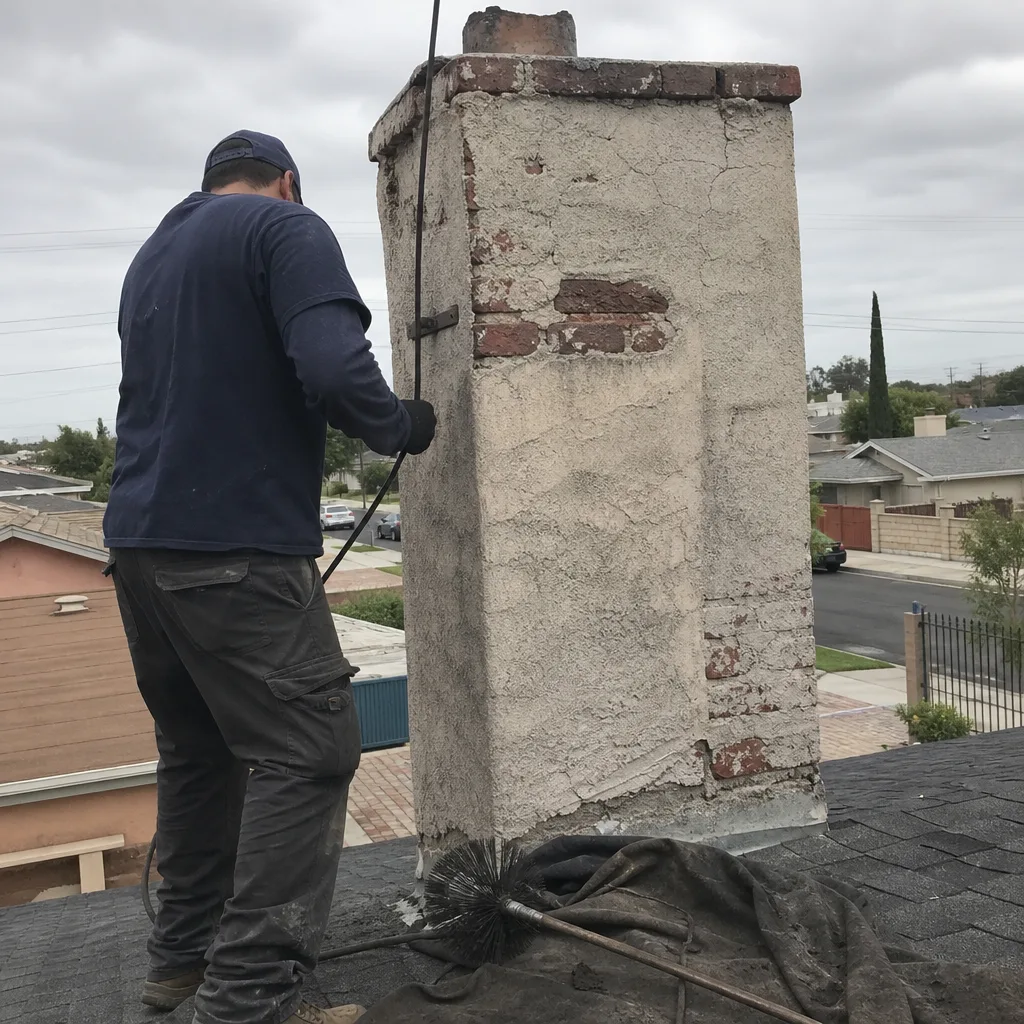 Before
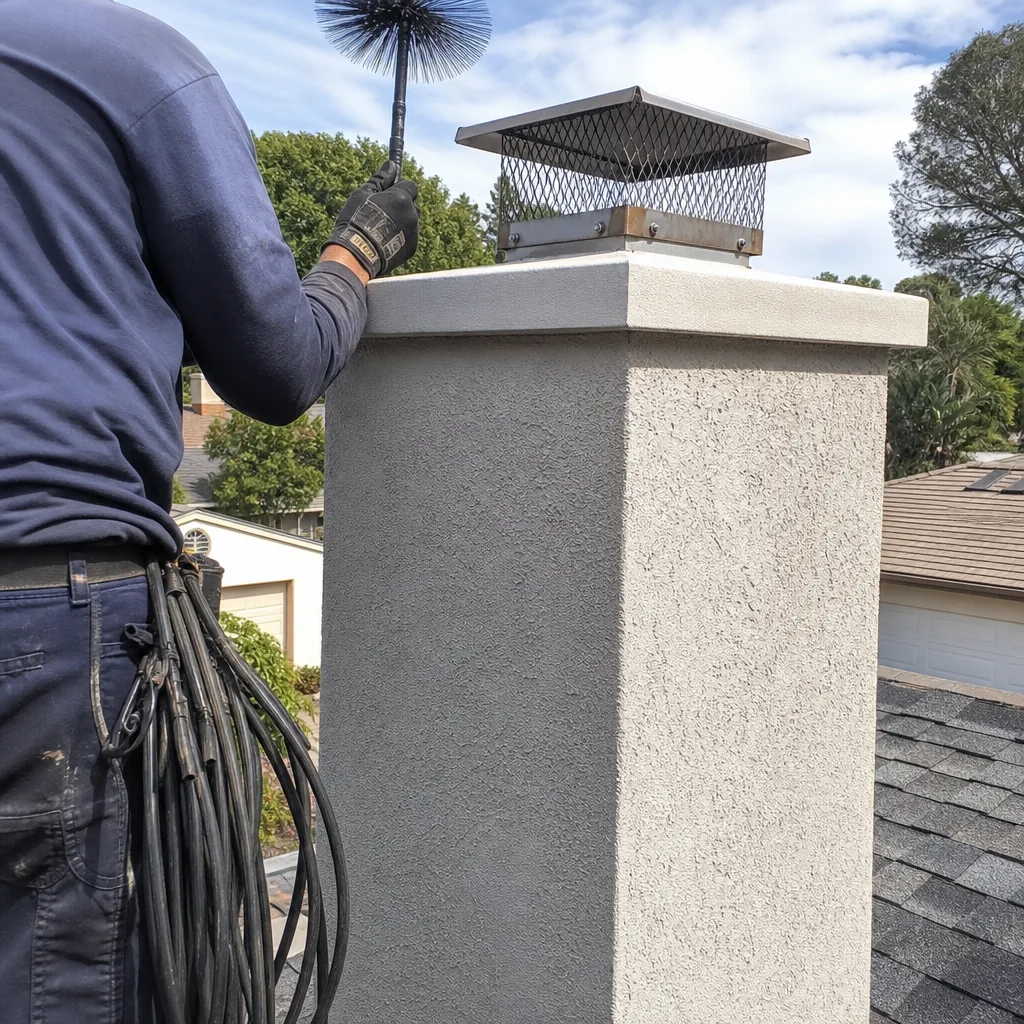 After
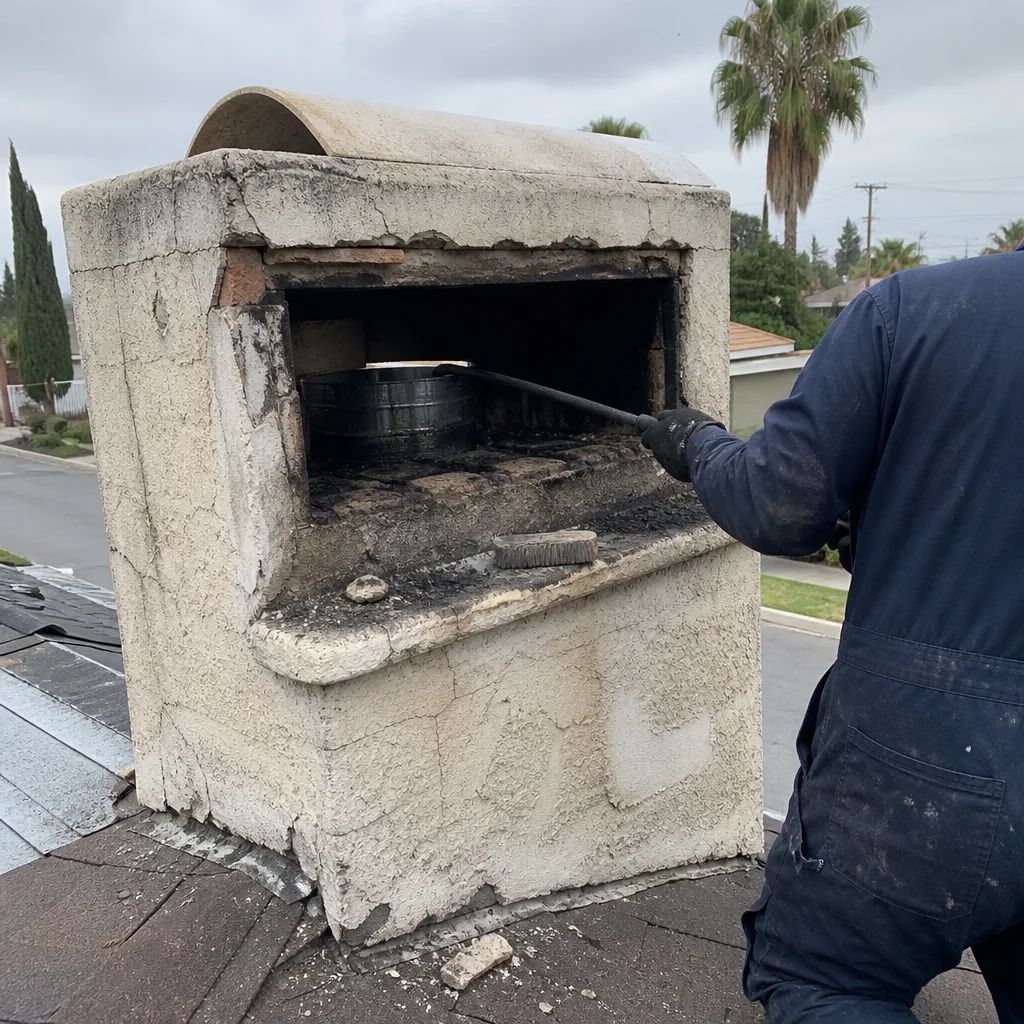 Before
 After
 Before
 After