
Last updated November 2, 2026
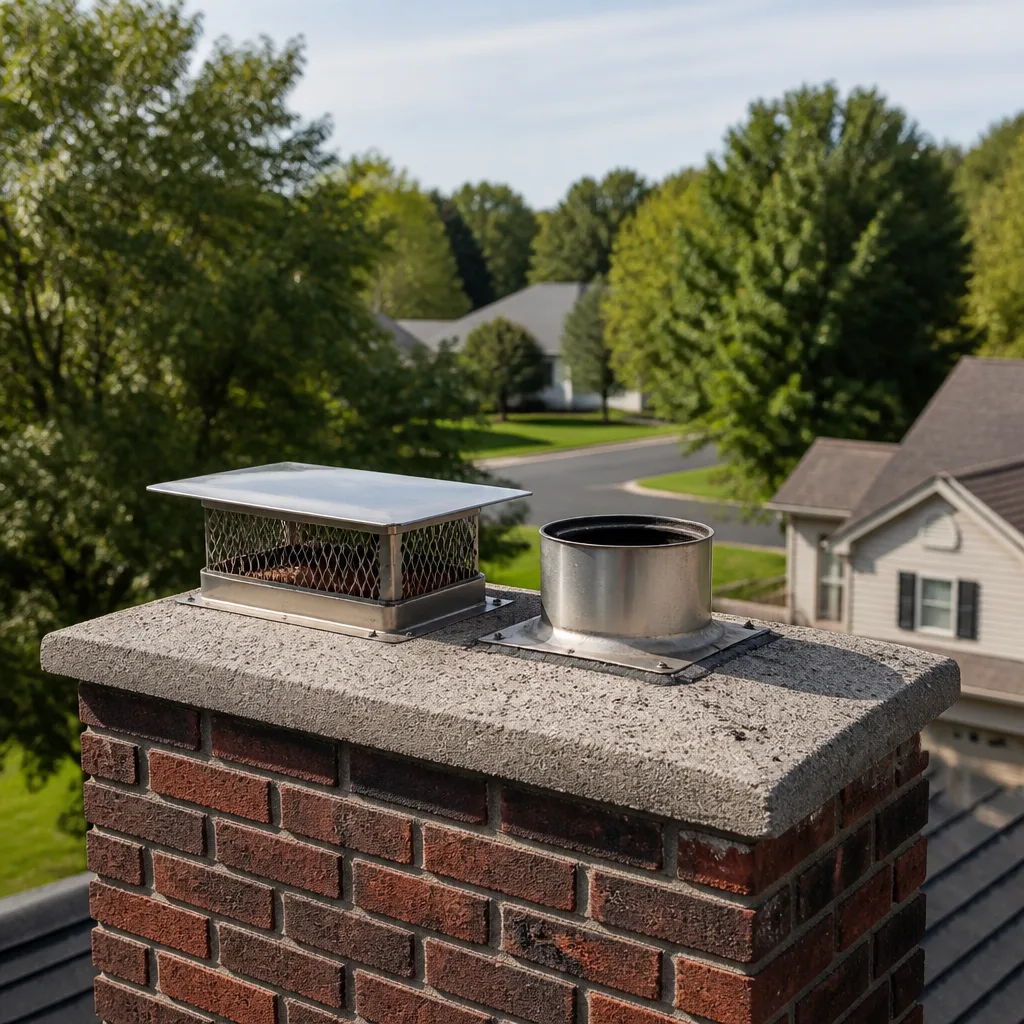 Sweep & inspection
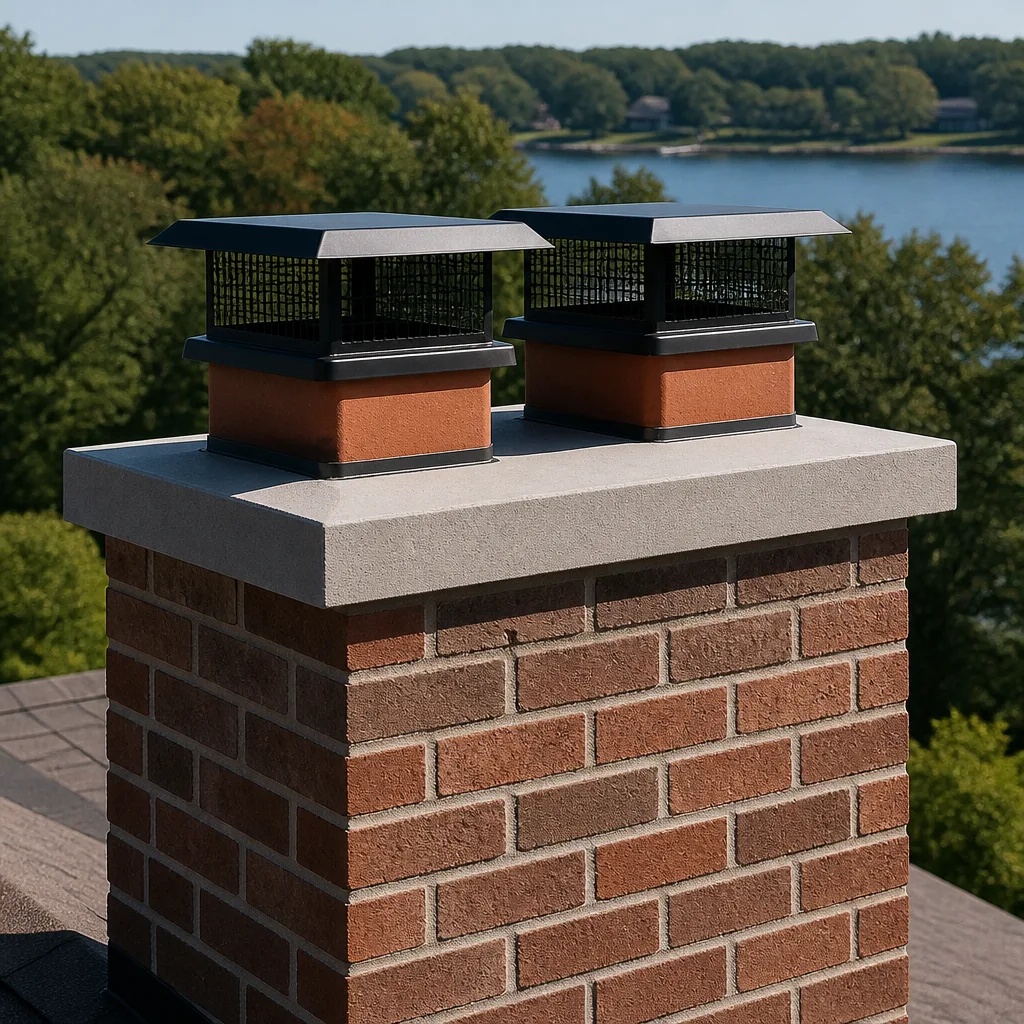 Caps & crowns
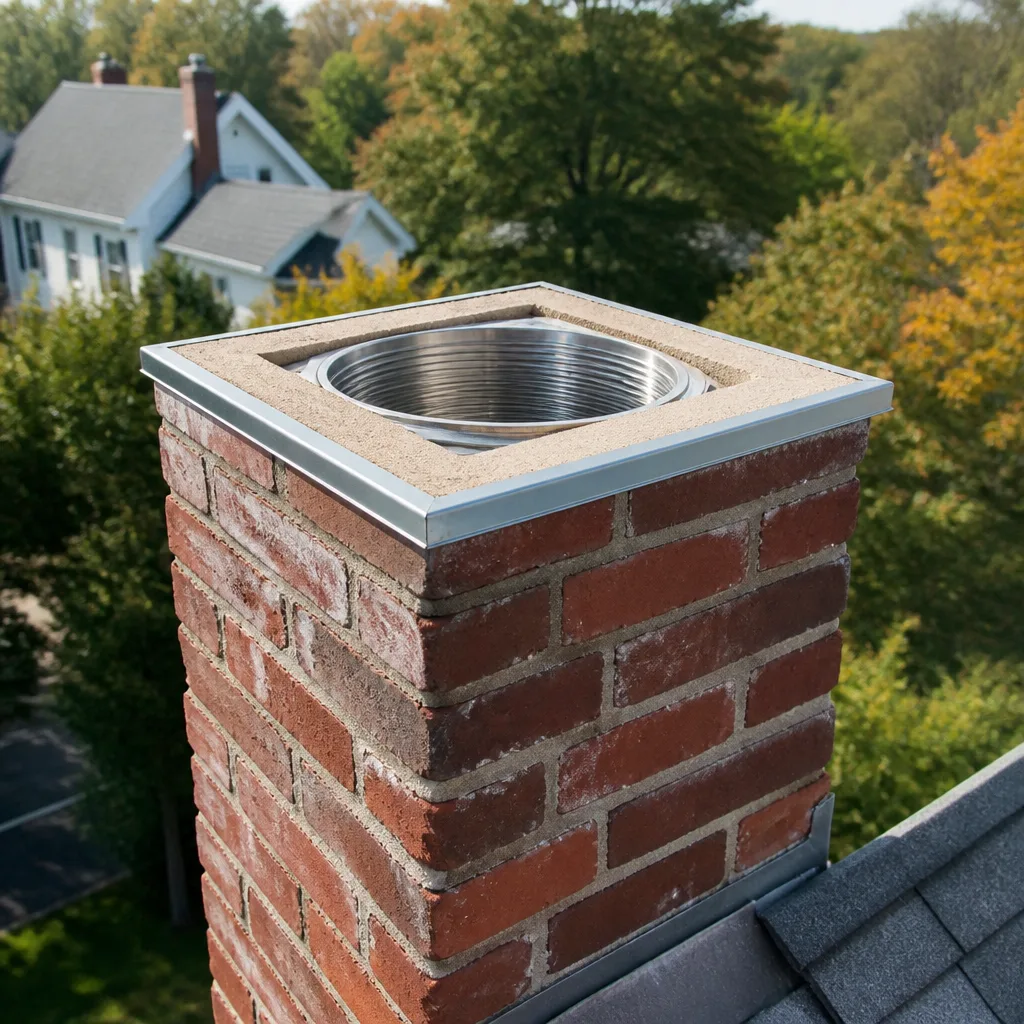 Flue relining
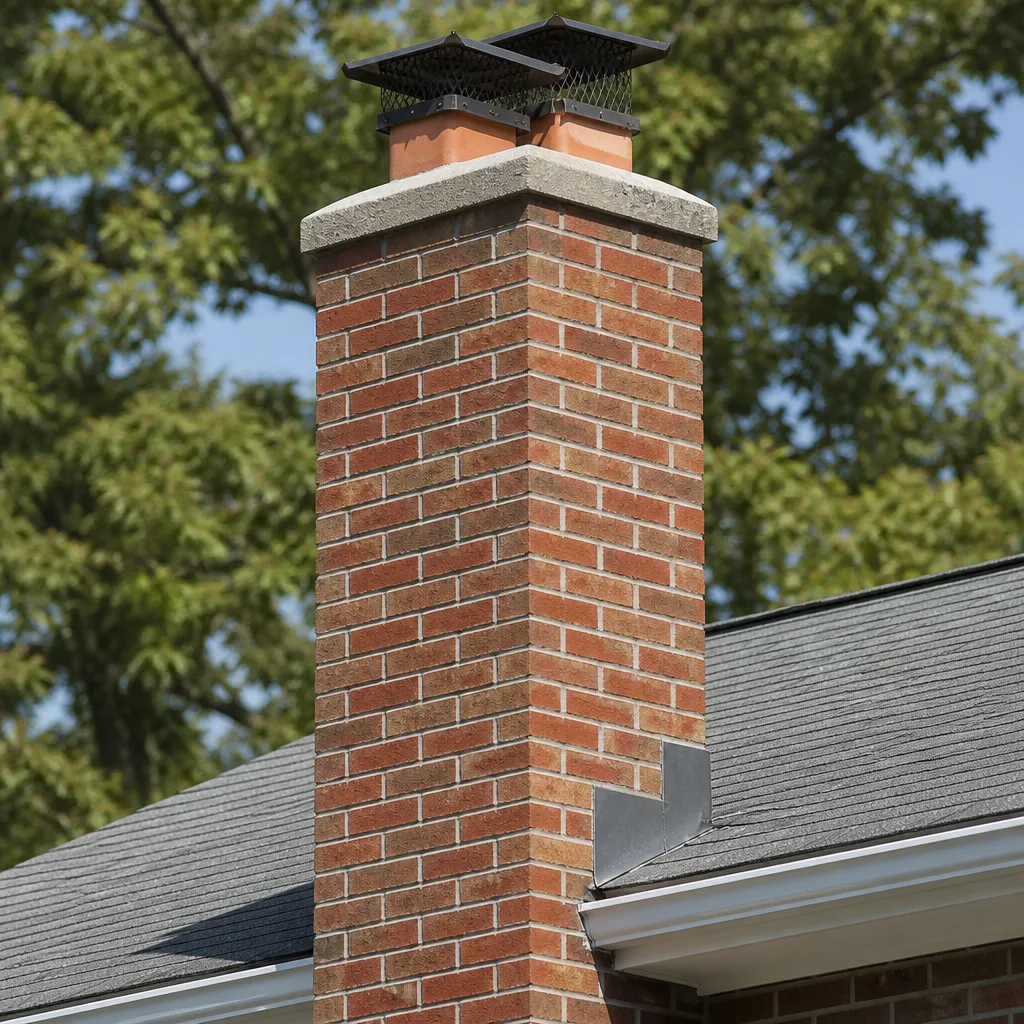 Masonry repair
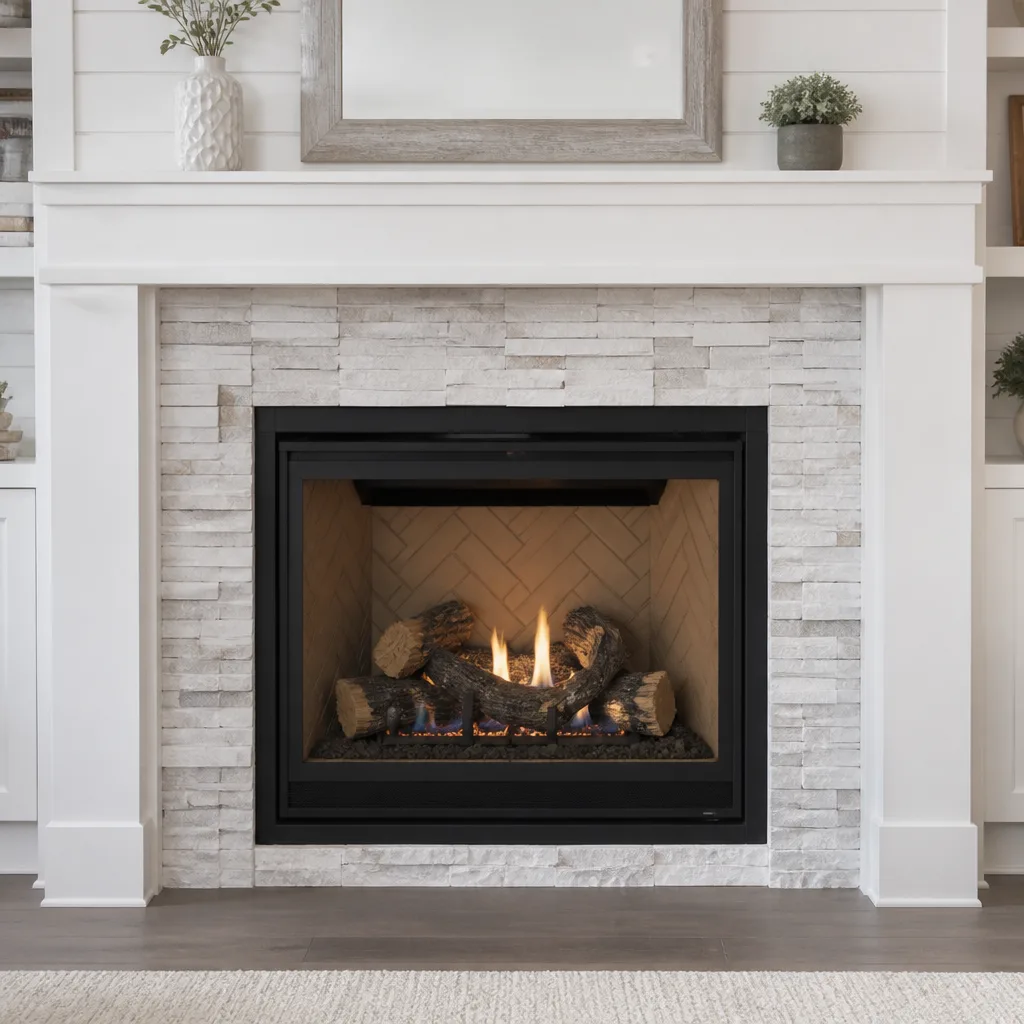 Gas fireplace service
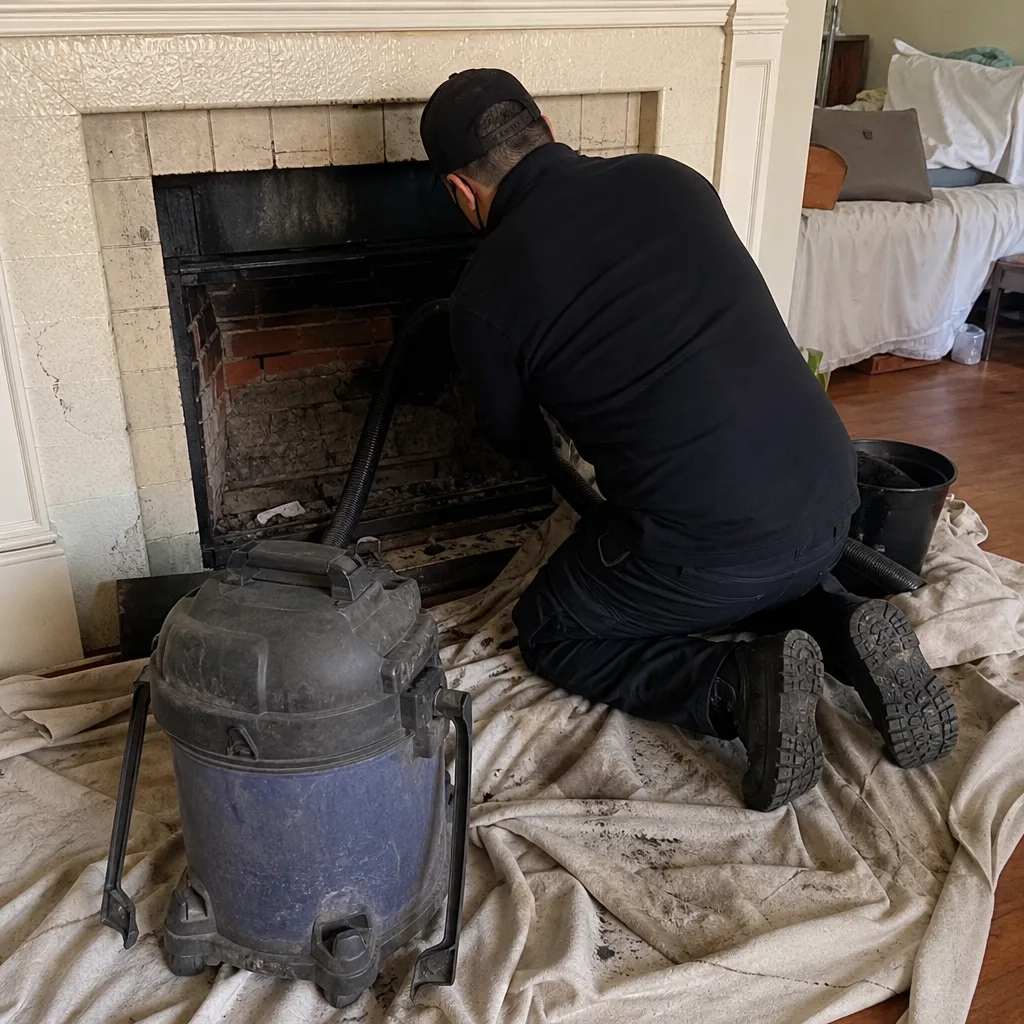
Level 1 sweep and inspection to the NFPA 211 annual standard - flue, crown, cap, and flashing checked and photographed
Chimney sweep logs do not sweep chimneys. They loosen some creosote - which then falls where a brush and vacuum still have to collect it.
Seasonal Chimney Cleaning Care for South Gate: Year-Round Homeowner’s Guide
Most chimney maintenance advice written for American homeowners assumes four real seasons: a hard freeze, a spring thaw, a humid summer, and a fall leaf-drop that sends squirrels racing for cover. South Gate has exactly none of that. What we do have is a compressed burn window, a marine layer that hangs over the Los Angeles Basin like a damp towel for months, and Santa Ana winds that punish exposed masonry even when the fireplace hasn’t been lit since February. That changes the care calendar entirely. This guide maps a year-round chimney and vent maintenance rhythm to what actually happens on the ground in South Gate, so you can catch damage when it’s cheap to fix and skip the seasonal guesswork. For more guides & resources on keeping your chimney in top condition, explore our blog.
Styles & brands we work with
- Sweep & inspection
- Caps & crowns
- Flue relining
- Masonry repair
- Gas fireplace service
Quick Answer
The homes in South Gate that avoid costly chimney repairs are the ones that treat the off-season as maintenance season. Schedule a professional sweep and inspection in March or April after the burn window closes, then do three or four specific dormancy tasks before the Santa Ana season starts in September. A year-round calendar built around South Gate’s actual weather patterns, not a generic four-season schedule, prevents moisture damage, animal intrusion, and wind-driven crown deterioration that go unnoticed until the first cold night in November.
Table of Contents
- South Gate’s Actual Chimney Calendar: Not Four Seasons
- Pre-Season Prep: October
- Active Burn Period: November Through February
- The Spring Cleaning Window: March Through April
- Marine Layer Moisture: The Damage That Looks Like Wear
- Santa Ana Wind Protocol: What to Check After a Wind Event
- Summer Dormancy: May Through September
- Dryer Vent Seasonality: The Overlooked Exhaust System
- Common Mistakes to Avoid
- When to Call a Professional
- Frequently Asked Questions
- The Bottom Line
South Gate’s Actual Chimney Calendar: Not Four Seasons
A Midwestern chimney calendar would tell you to sweep in fall, burn all winter, inspect in spring, and let it rest in summer. South Gate doesn’t work that way. Our heating window is compressed, often running from late October through early March, with occasional shoulder-season fires when a February morning drops below 45 degrees. That means the flue sees concentrated use for four months, then sits dormant for eight. The dormancy is where trouble brews. In our experience serving South Gate homes, the most serious liner and masonry failures we document originate during the long idle stretch, not during active burning. Moisture has time to penetrate hairline cracks, animals have months to establish nests, and thermal expansion from summer heat works on the crown with nobody noticing. A useful local calendar looks like this: October is prep, November through February is active use, March and April are the critical cleaning window, and May through September is dormancy protection. Each phase has different tasks and different failure signatures.
For a full breakdown of the actual service work involved at each stage, our Chimney Sweep in South Gate guide covers the sweep process itself, including what a camera inspection documents and what flat-price sweeps include before anything is booked.
October: Pre-Season Inspection Before the First Fire
October is the month to answer one question: what happened to this chimney while nobody was using it? The answer, in a lot of South Gate homes, is more than you’d expect. Birds and squirrels build nests in uncapped or under-screened flues between April and September. Palm fronds and eucalyptus debris accumulate around the cap. The crown, if it was poured thin or has been patched repeatedly, develops new cracks during summer heat cycling. Creosote from last season’s spring cleanup, if you skipped it, has had six months to absorb moisture and harden into a glaze that’s tougher to remove. Before the first fire, check the damper opens fully and closes without catching, look up the flue with a strong flashlight for visible debris or nesting material, and inspect the exterior cap for damage. If you see any dark, tar-like residue above the damper or smell something musty when the flue is open, have a professional camera-sweep done before that first burn.
At Chimney Sweep South Gate home service area coverage, we see a predictable October pattern: homeowners light the first fire, get smoke rollback into the living room, and discover a nest or partial blockage that’s been there since June. An October sweep costs less than a November emergency call, and it’s the difference between firing up on the first cold night and spending it waiting for a technician.
Pre-Season Checklist for South Gate Homes
- Check the damper operation. Open it before any fire. If it sticks, creaks, or won’t seat properly, lubricate the hinge points with a high-temp graphite spray and clear any rust. A damper that won’t close after the fire lets conditioned air escape up the flue all winter.
- Look up with a flashlight. From the firebox, shine a bright light up the flue. You’re looking for visible blockage, nesting material, or a glazed black coating that’s thicker than a quarter inch. If you see any of that, schedule a sweep before burning.
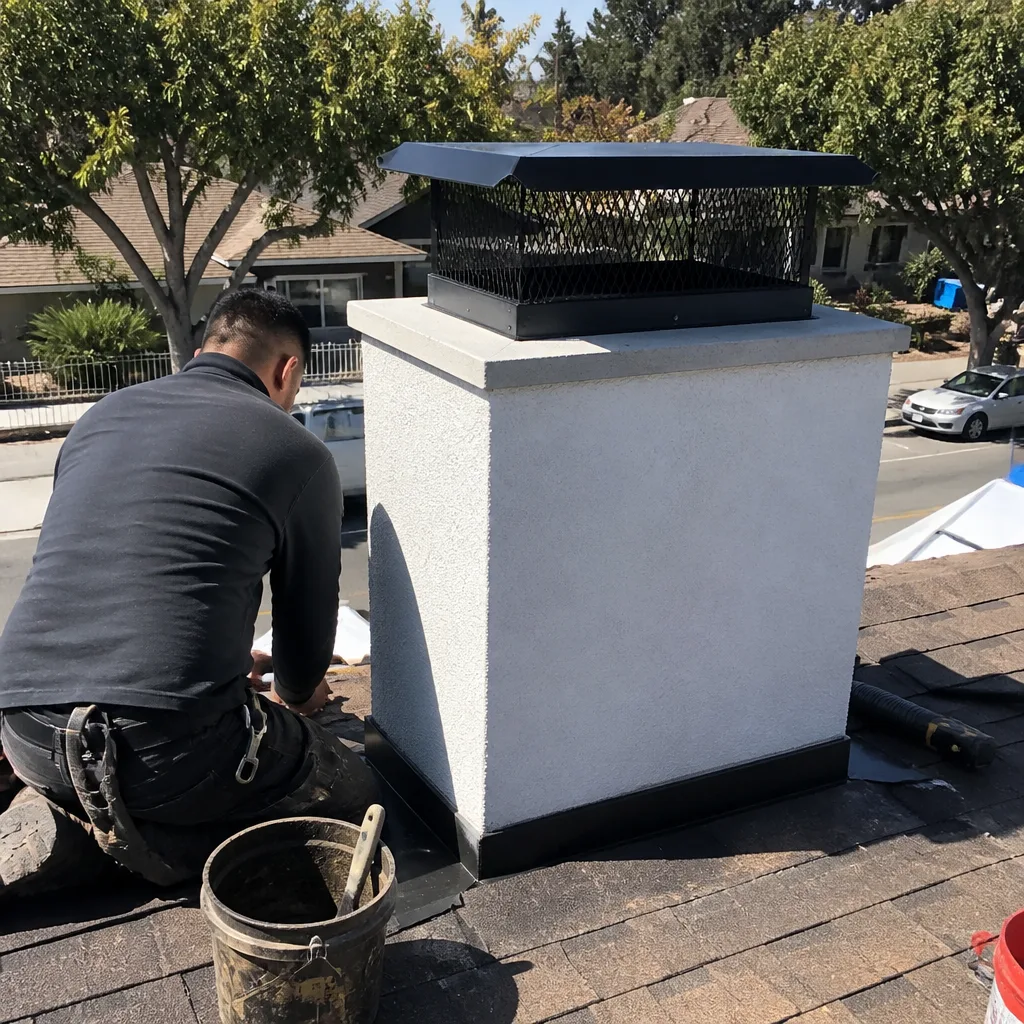
- Inspect the cap from the ground. Use binoculars if needed. Look for a damaged or missing screen, rust-through, or a cap that’s shifted. A cap that fails in October often goes unnoticed until a Santa Ana event rips it off entirely.
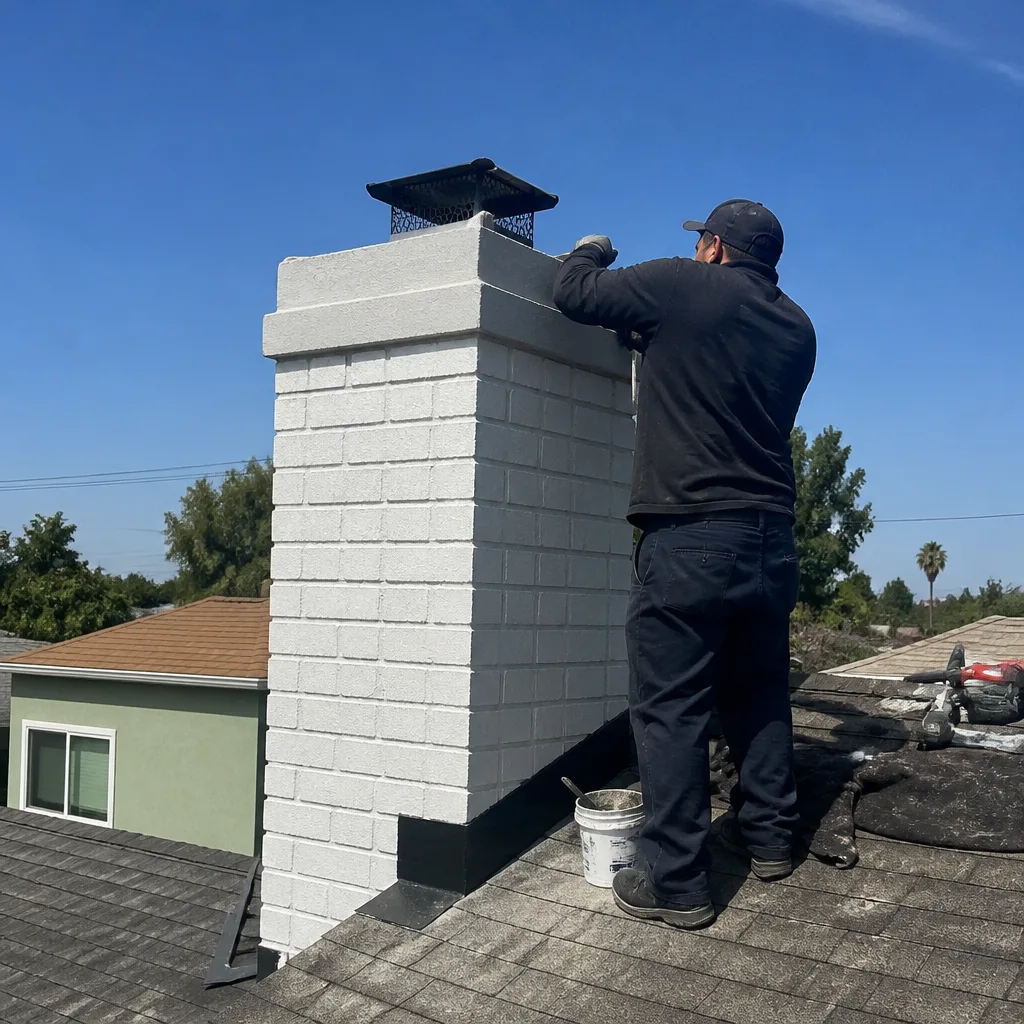
- Check the exterior masonry. Walk the entire chimney structure. Look for efflorescence (white powdery deposits), spalling brick faces, or cracks in the crown that run across more than one masonry unit.
- Schedule an inspection if anything is questionable. A professional camera inspection documents condition visually. You should be able to see exactly what the technician sees, not take anyone’s word for it.
Active Burn Period: November Through February
Once the burn season hits, the primary concern shifts from dormant damage to creosote accumulation. Creosote is the byproduct of incomplete combustion, and it builds faster when wood isn’t fully seasoned, when fires are burned low and slow for long periods, or when the flue runs cooler than ideal. In South Gate, we see two common burning patterns. The first is the weekend-only fire: a Saturday evening burn with a chunk of grocery-store firewood, damp from garage storage. That pattern produces heavy creosote quickly because the fuel never reaches a clean burn temperature. The second is the steady nightly burner who runs the fireplace from November through February. That pattern generates less creosote per fire but accumulates more total buildup over the season. Both require monitoring.
During active use, check the firebox weekly for soot and creosote flakes. Run a fire hot for the first ten minutes after reloading to help vaporize tar deposits before they condense. Don’t burn wrapping paper, cardboard, or pressure-treated lumber, all of which produce particulate loads and chemical residues that accelerate flue damage. If you notice smoke entering the room when the fire is well-established, or a sour smell near the fireplace when you walk past it on a warm day, the flue needs attention.
Mid-Season Monitoring: What to Watch
- Smoke behavior. Solid smoke rising straight up is good. Wispy smoke that lingers near the damper or rolls back into the room signals a draft problem, a blockage, or a flue that’s narrowed by creosote.
- Glass door deposits. If your fireplace has glass doors, a thin film of brown soot is normal. Thick black tar that’s sticky to the touch says the flue is running too cool and creosote is condensing rapidly.
- Odors after rain. A wet creosote smell inside the house after a rainstorm means moisture is intruding into the flue and the creosote is absorbing it. That’s a sign the cap or crown needs attention.
- Visible creosote above the damper. Shine a light up once a month. If the flue walls look shiny and black rather than dusty gray-brown, a mid-season sweep may be warranted.
At this point, if a mid-season sweep turns up flue damage, repair options matter. We use DuraFlex liner systems for relining work when a clay tile liner has cracked beyond patching, and HeatShield ceramic resurfacing for situations where the original liner is structurally sound but has minor gaps, spalling, or joint erosion. Both are professional-spec solutions most general contractors don’t have access to or training for.
The Spring Cleaning Window: March Through April
Here’s the counterintuitive part of the South Gate calendar: the most important cleaning of the year happens after you’re done burning, not before you start. Fall cleanings matter, but the spring window is what determines whether small problems stay small or become structural. The reason is moisture. South Gate’s spring months bring the tail end of the rainy season, overlapping with the beginning of the marine layer’s heavier cycle. A flue that sits through spring and summer with creosote deposits is a flue where moisture gets wicked into the liner, combined with the acidic creosote, and slowly eats away at mortar joints and clay tile. The damage doesn’t announce itself. By fall, what was a Level 1 sweep in March is a Level 2 inspection with a recommended liner repair. Sweeping in spring removes the creosote before it can be used as a moisture sponge. It also gives you a documented baseline of the flue’s condition going into the dormant season, which is invaluable if something changes over the summer.
Spring is also the right time for a Chimney Repair in South Gate assessment if the sweep turned up damage, because scheduling repair work in April and May means crews are working in moderate weather and materials like mortar and sealant cure properly. The same repair in December means waiting for a dry window and working around active-use schedules.
Marine Layer Moisture: The Damage That Looks Like Wear
South Gate sits in the Los Angeles Basin, which means from roughly May through July we get that familiar gray overcast that burns off by noon. That marine layer does something specific to masonry chimneys: it delivers hundreds of micro-condensation cycles over the course of the season. As the chimney absorbs moisture from the damp morning air and then heats up in the afternoon sun, the masonry expands and contracts on a daily cycle. Over years, that thermal cycling breaks down the mortar matrix and opens hairline cracks in the crown. The damage looks identical to what you’d see from freeze-thaw action in a colder climate, but the cause is entirely different: it’s humidity cycling, not ice expansion. Homeowners often assume the cracking is from use or age, when it’s actually a moisture dynamic specific to the LA Basin’s coastal plain. We see homes in South Gate with crown cracks that have nothing to do with how often the fireplace is used. The chimney was never wet enough to freeze, but it cycled through thousands of damp-dry transitions.
This is why we recommend checking for efflorescence, the white chalky mineral deposits that appear on masonry when water moves through it and evaporates, during the spring and early summer months. Efflorescence isn’t structural by itself, but it’s a reliable indicator that water is penetrating somewhere and moving through the masonry. Left unaddressed, that water movement spalls brick faces, corrodes metal components, and degrades mortar joints. A water-repellent treatment that allows vapor to escape (breathable, never sealing) can reduce absorption dramatically, but it’s only effective on sound masonry with an intact crown and cap. You can’t seal over existing damage and expect it to hold.
Santa Ana Wind Protocol: What to Check After a Wind Event
Santa Ana winds hit South Gate mostly between September and January, with peak events in October and November. They’re dry, they’re gusty, and they put real structural stress on chimney caps, crowns, and any metal termination components. A cap that’s been rusting quietly for three years will come loose during a 50-mph gust. A crown with existing hairline cracks will lose small chunks of mortar during the same event. The wind itself doesn’t cause the initial defect, it just accelerates the failure. After any significant Santa Ana event, grab binoculars and check the top of the chimney from the ground. Look for a cap that’s tilted, missing, or partially detached. Look for fresh debris on the roof near the chimney. Look for mortar fragments. Inside the house, check for debris that’s fallen into the firebox overnight. If the cap screen is damaged, birds will enter within days. Santa Ana season is also a reminder that embers from your own fire or a neighbor’s can land on dry roofing materials. A proper spark arrestor cap does double duty: it keeps animal life out and it traps embers before they escape the flue. If your cap screen is missing or has holes larger than about half an inch, it’s not doing either job.
We work with Copperfield and Famco components for caps, terminations, and ventilation hardware. These are the brands you’ll find on professional chimney and venting jobs across Southern California because they’re built to hold up to the exact wind and moisture conditions we have here, not a generic national average.
Summer Dormancy: May Through September
The months between May and September are when a South Gate chimney is most vulnerable to animal intrusion and mechanical seizure. Birds, squirrels, and sometimes raccoons all see an unused flue as a viable nesting cavity. Once a nest is established, it blocks the flue, creates a fire hazard when the burn season returns, and introduces organic material that holds moisture against the liner. A proper cap with intact screening is the primary defense. If the cap has a gap or the screen is rusted through, the flue is open to occupancy. During the summer months, check the cap screen twice, once in June and once in late August. Any tear or separation needs immediate replacement before nesting season peaks.
The second summer task is damper maintenance. Dampers in South Gate homes can seize during the long idle stretch because the metal absorbs atmospheric moisture and the hinge points rust. A damper that won’t open in November means no fire, period. In May or June, cycle the damper open and closed several times. If it’s stiff, apply a high-temperature graphite lubricant to the pivot points. If it’s already seized, don’t force it, you’ll bend the mechanism or crack the throat plate. Have it freed and serviced before fall.
The third summer task is inspecting the cap screen from the ground with binoculars, which doubles as your pest-exclusion check. The goal is to enter October knowing the flue is clear, the damper operates, and the cap is intact. That’s the difference between a smooth pre-season prep and an emergency call on the first cold night.
Dryer Vent Seasonality: The Overlooked Exhaust System
The seasonal logic that applies to chimneys applies to dryer vents too, but nobody thinks about dryer vents seasonally. Lint accumulates inside the vent duct every time the dryer runs, regardless of season. But in South Gate, winter and spring see more lint-producing loads (blankets, heavier clothing, more frequent drying after rain) while summer runs the dryer on lighter loads. That creates a seasonal surge in lint accumulation from November through April. By late spring, a vent that was cleaned in October is due again. The danger is specific: lint is highly combustible, and a restricted vent forces the dryer’s heating element to cycle longer and hotter, which increases ignition risk inside a duct that’s now packed with fuel. This isn’t a chim ney problem in disguise, it’s a parallel exhaust system with the same failure mode: neglected buildup becomes a fire hazard you can’t see. We treat Dryer Vent Cleaning in South Gate as a core safety service, not an add-on, because the physics are identical to what happens in a chimney flue. Airflow restriction, heat concentration, and combustible accumulation. The vent needs the same seasonal attention.
If your dryer takes longer than one cycle to dry a normal load, if the laundry room heats up while the dryer runs, or if you smell a dusty, burned odor during operation, the vent needs cleaning now. Spring is the ideal time in South Gate because you’ve just finished the heavy lint season and you’ll go into summer with full airflow and a shorter dry cycle, which also saves electricity.
Common Mistakes to Avoid
- Skipping the spring sweep because “we’re done burning.” The off-season is when creosote does its worst damage, absorbing moisture and breaking down the liner. In South Gate’s damp spring, this matters more than in a dry climate. Sweep in March or April, not just October.
- Assuming a damp smell means the chimney needs cleaning. Often it means the opposite: the flue is clean, but moisture is entering through a cracked crown or failed cap. South Gate’s marine layer delivers the moisture; your cap and crown are supposed to keep it out. Don’t chase odors with brushes when the problem is water intrusion.
- Burning “free” wood from pallets or construction debris. Treated lumber burns at unpredictable temperatures and produces corrosive chemical residues that damage the liner. The savings aren’t worth the repair bill.
- Ignoring a slow-running dryer as a “normal” winter thing. Longer dry cycles in winter often mean heavier fabric loads, but if the same load was drying in one cycle in October and now takes two, that’s a vent restriction. The heat buildup is measurable and it’s a real fire risk.
- Waiting until October to schedule a sweep. Every sweeper in South Gate is booked during October. The spring window has full availability, better weather, and gives you a documented condition baseline before summer dormancy. Same work, less wait, same cost.
- Installing a “universal” cap from a hardware store. Universal caps often don’t fit the flue tile properly, leave gaps at the mounting point, and fail within a few Santa Ana seasons. A properly sized cap installed by someone who’s on the roof with the right measurements is a different product.
- Treating the dryer vent as a secondary concern. In terms of fire prevention, the dryer vent is equally as critical as the chimney flue. Both carry heat and combustible material out of the house. Both fail the same way when airflow drops.
When to Call a Professional
Some conditions are visible and simple: a damper that cycles smoothly, a clear flue, a cap with intact screening. But the following situations call for a camera inspection and a professional assessment: smoke rollback that persists after the fire establishes, visible water stains on the ceiling near the chimney, a strong odor from the fireplace when it hasn’t been used, a cap that’s been missing for more than a month (assume animal intrusion), or a dryer that’s moved from one cycle to two without a load change. Any of those is a signal that something structural changed. In South Gate, we document what we find with camera footage so you can see the actual condition and make an informed call about what needs attention now versus what can wait. Free estimates at (833) 958-8849.
Frequently Asked Questions
Expect a standard sweep and inspection in South Gate to run between $180 and $320 depending on the flue condition, access, and whether a liner camera inspection is included. For a detailed breakdown, see our Chimney Cleaning Cost Breakdown: The South Gate Homeowner’s Reference for 2026. A sweep that turns into a repair discovery is a different scope, and you should expect to see camera evidence before any repair recommendation. Call (833) 958-8849 for a flat-price quote before anything is booked.
Most South Gate homes that burn wood should have the flue swept twice per year if the fireplace is used weekly from November through February. If the fireplace is used only occasionally, an annual spring sweep is sufficient. The key variable is creosote buildup, which depends on wood quality, burn temperature, and flue condition, not just frequency of use.
You should never accept a liner or masonry repair recommendation without seeing camera footage of the damage. A professional sweep in South Gate should be able to show you exactly what the flue looks like and explain whether the issue is active deterioration or normal wear that can be monitored. HeatShield ceramic resurfacing, for example, is appropriate for specific liner defects, but it’s not a universal answer. The honest answer is sometimes “this can wait a year.” Get a second opinion if the pressure to sign is immediate.
The flue narrows as creosote accumulates. That reduces draft efficiency, meaning more smoke and particulates in the home, and it increases the risk of a chimney fire because creosote is combustible. Between fires, the buildup absorbs moisture from South Gate’s marine layer and becomes corrosive to mortar joints. Skipping a few years often turns a $250 sweep into a $2,000-plus liner repair. The math is unpleasant.
Yes, and it takes a form most people don’t recognize because it looks like age-related cracking. The daily humidity cycle – damp overnight air absorbed into the masonry, then drying and expansion in the afternoon sun – creates micro-cracks that gradually widen. Over several years, those become full crown fractures and spalled brick faces. It’s a moisture damage pattern, not a use pattern. Checking the crown and masonry every spring catches it early.
Yes, and make it a condition of the purchase. Many South Gate homes are older construction with clay tile liners that have never been camera-inspected. A standard home inspection looks at the fireplace from the firebox but doesn’t document flue condition. Paying for a professional Level 2 camera inspection before closing can save you thousands in unanticipated relining work after the sale. We document everything with photos and video so you have a record.
The Bottom Line
South Gate’s chimney dangers are concentrated in the months when the fireplace is dark and nobody is paying attention. The spring cleaning window, the summer pest exclusion check, and the pre-Santa-Ana cap and crown verification all matter more than what you do during the burn season itself. A year-round calendar built around this specific local rhythm means a flue that’s clean when you need it, a liner that isn’t quietly deteriorating in the damp months, and a cap that holds up through the first big wind event of fall. The alternative is the pattern we see most often: a surprise discovery in October, a repair quote in November, and a fireplace that sits dark until January. A little off-season discipline changes that entire equation. The professionals at Chimney Sweep South Gate are here to help you set the calendar, but you can start with two actions: schedule the spring sweep and check the cap. Everything else follows from what those two inspections reveal.
Written by the team at Chimney Sweep South Gate, serving South Gate since 2013.
See the difference
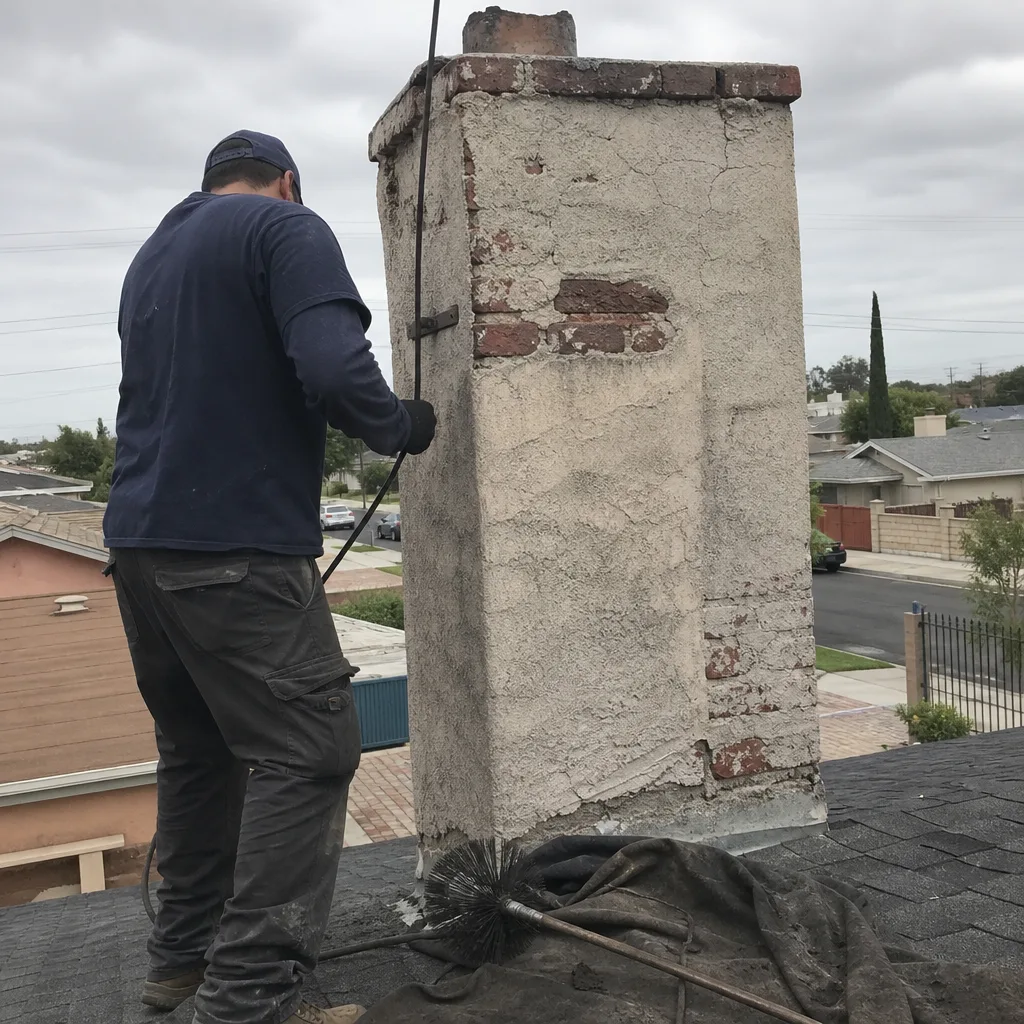 Before
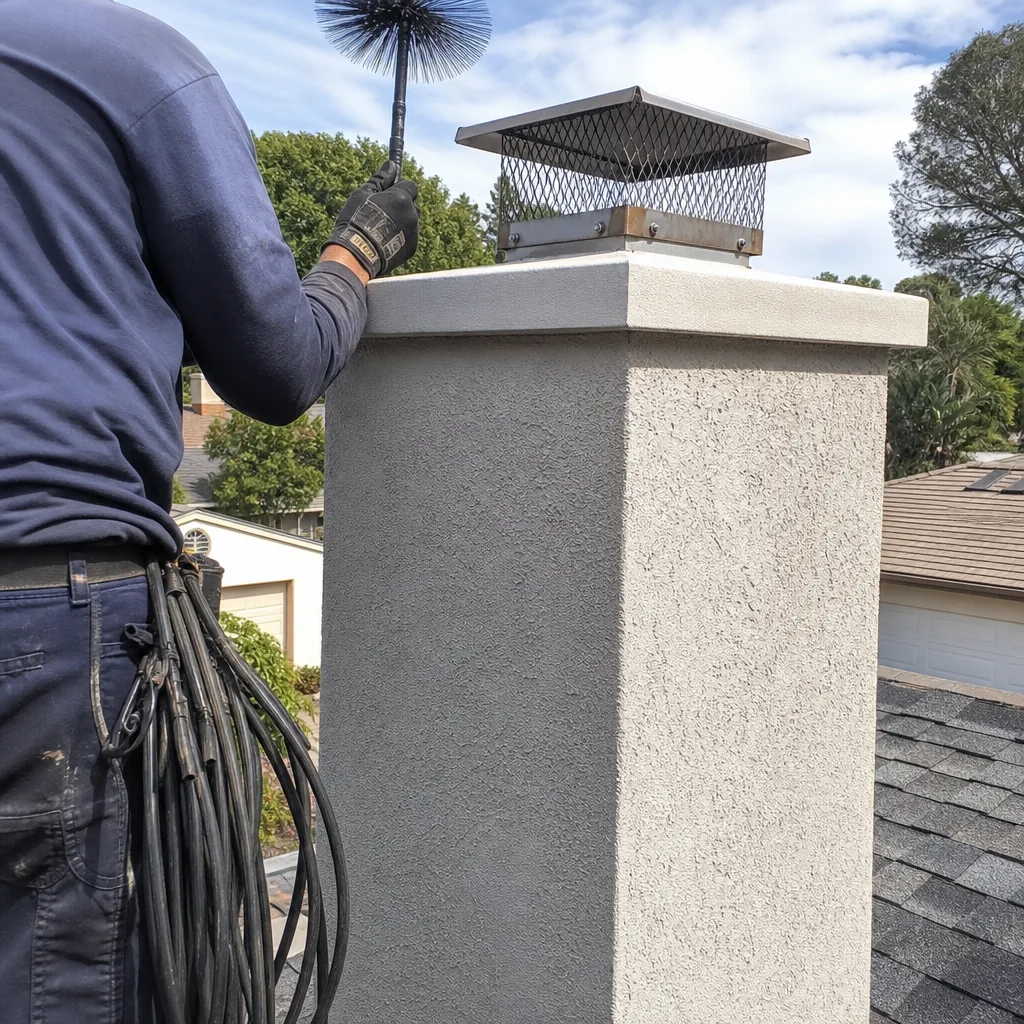 After
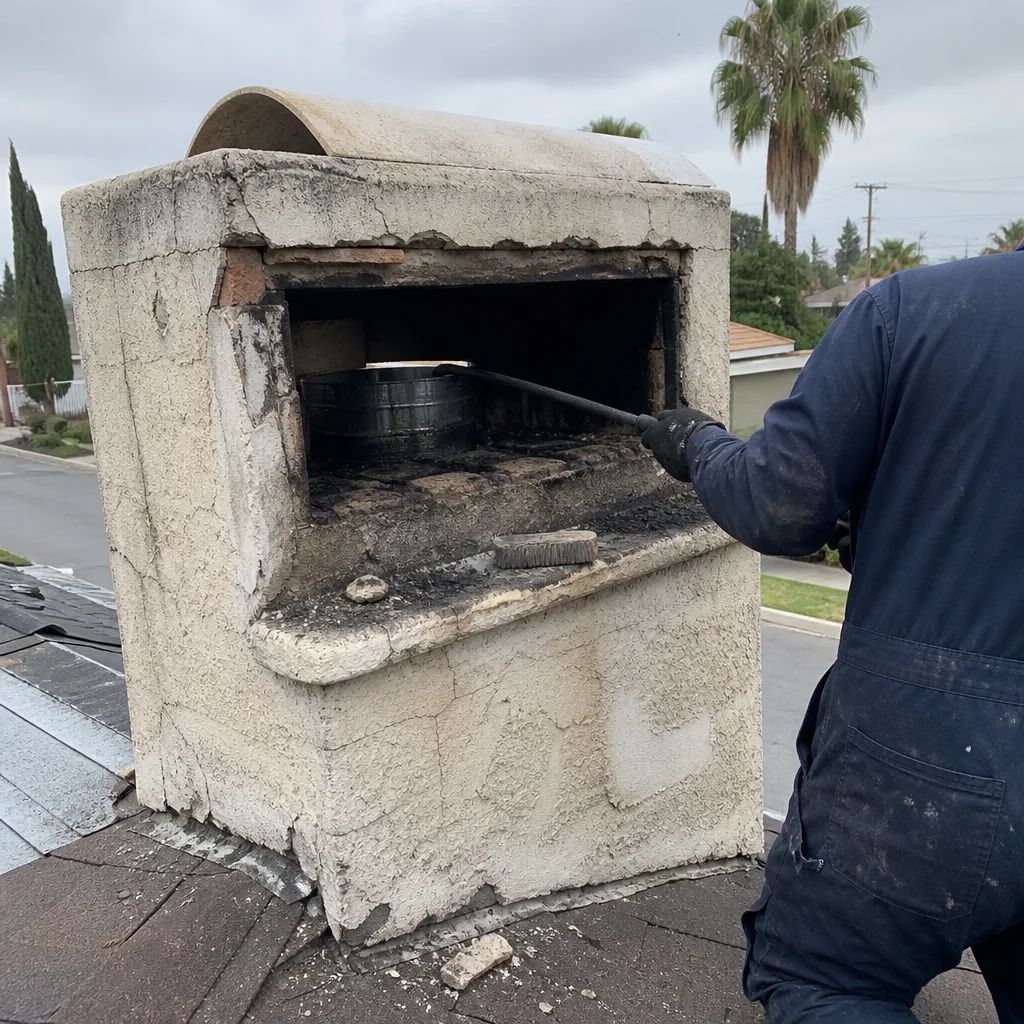 Before
 After
 Before
 After