
Last updated November 2, 2026
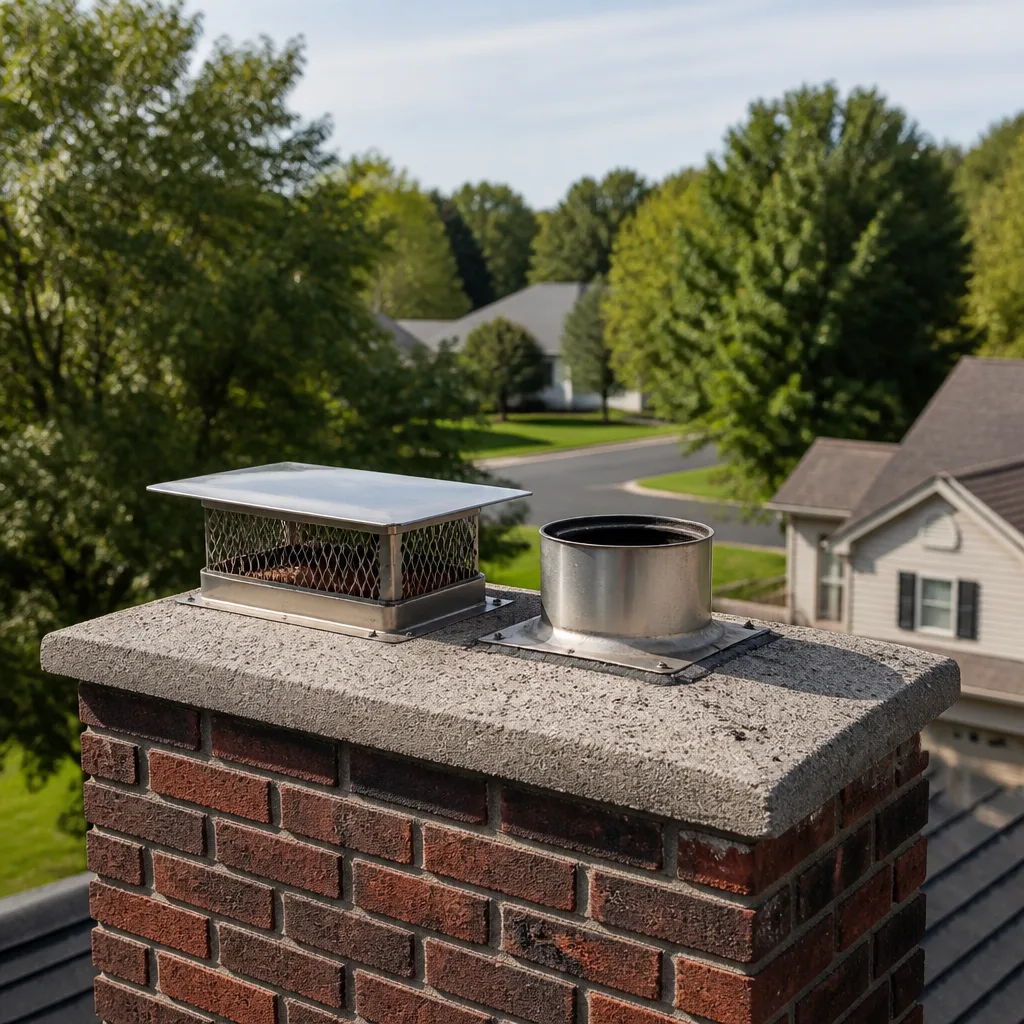 Sweep & inspection
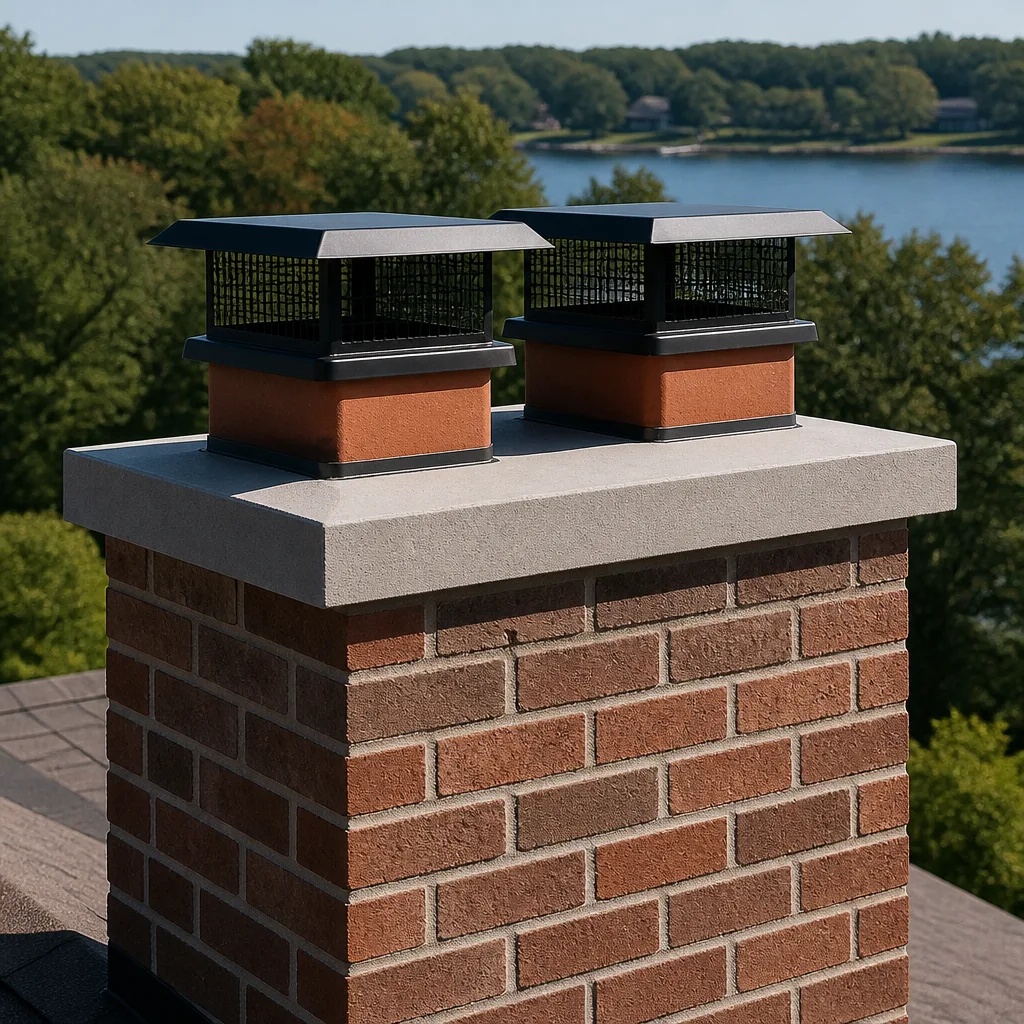 Caps & crowns
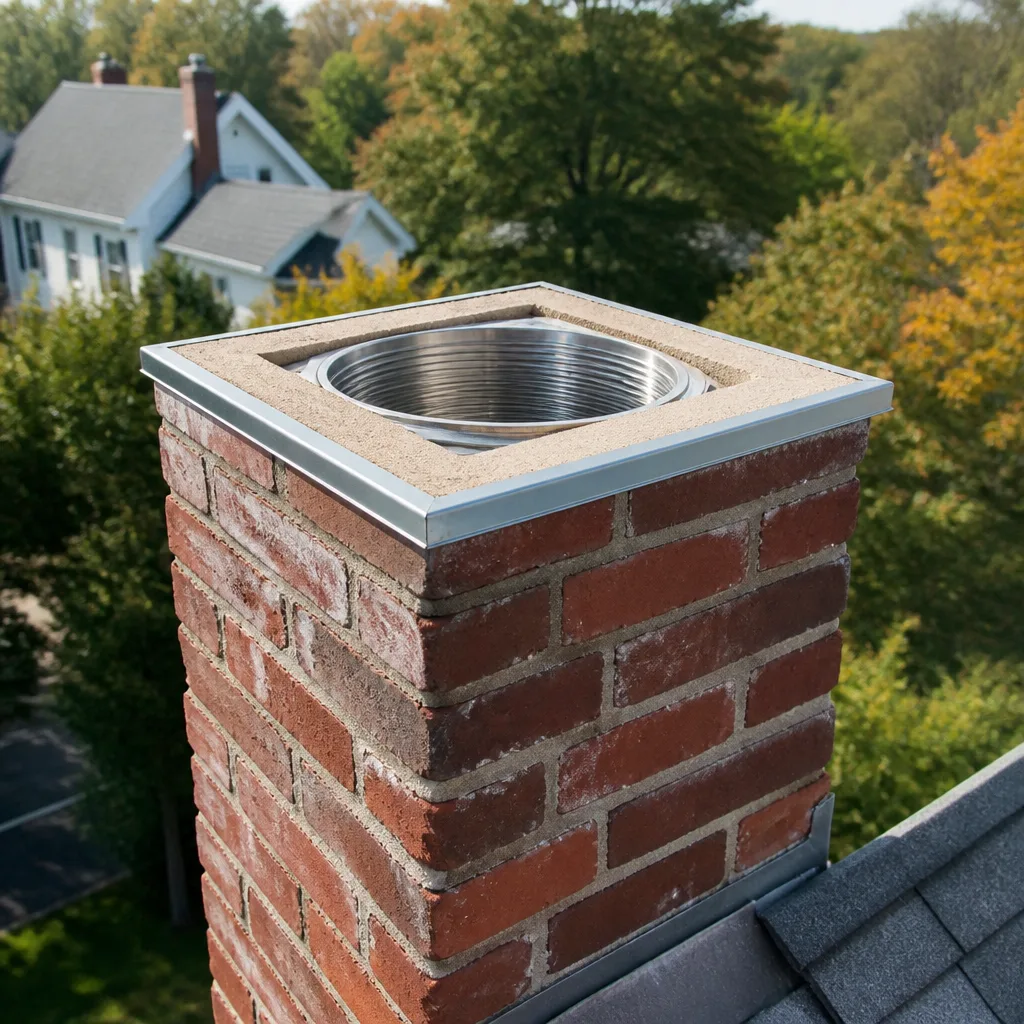 Flue relining
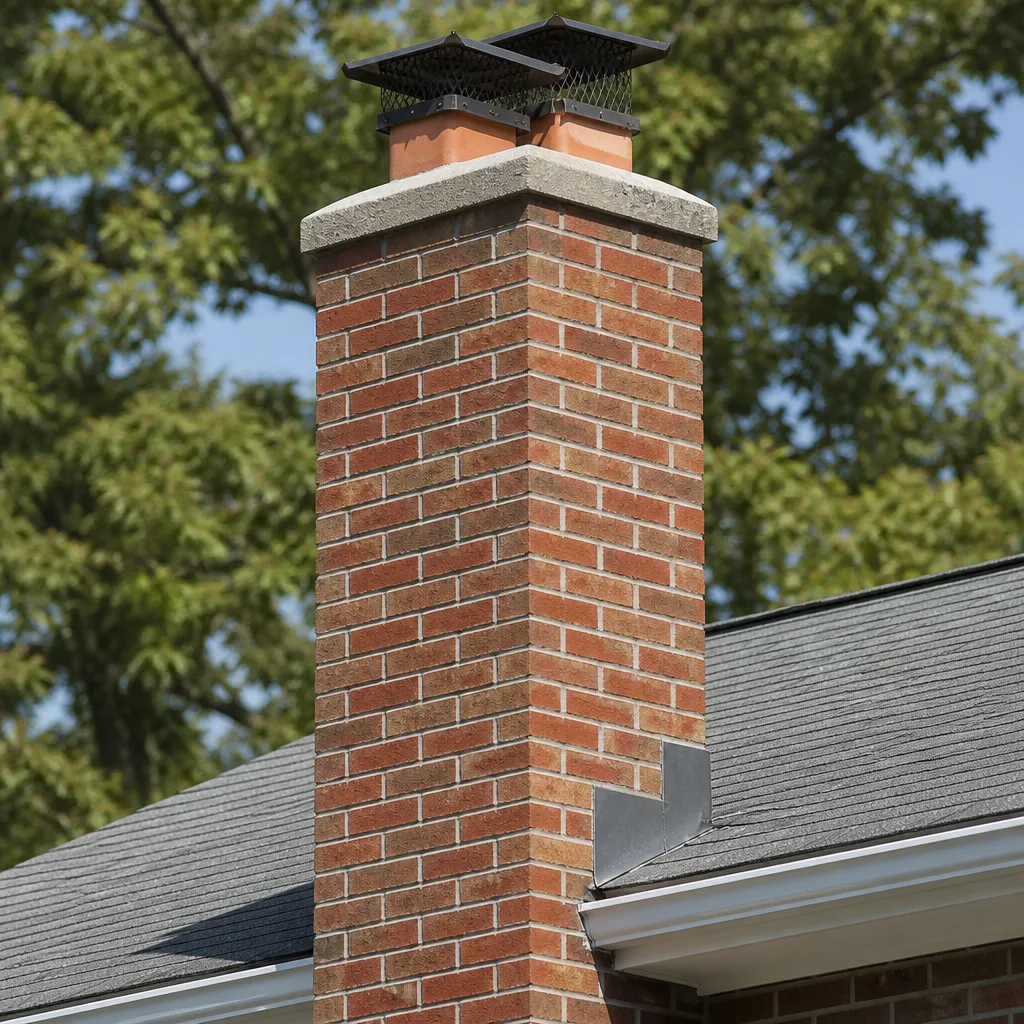 Masonry repair
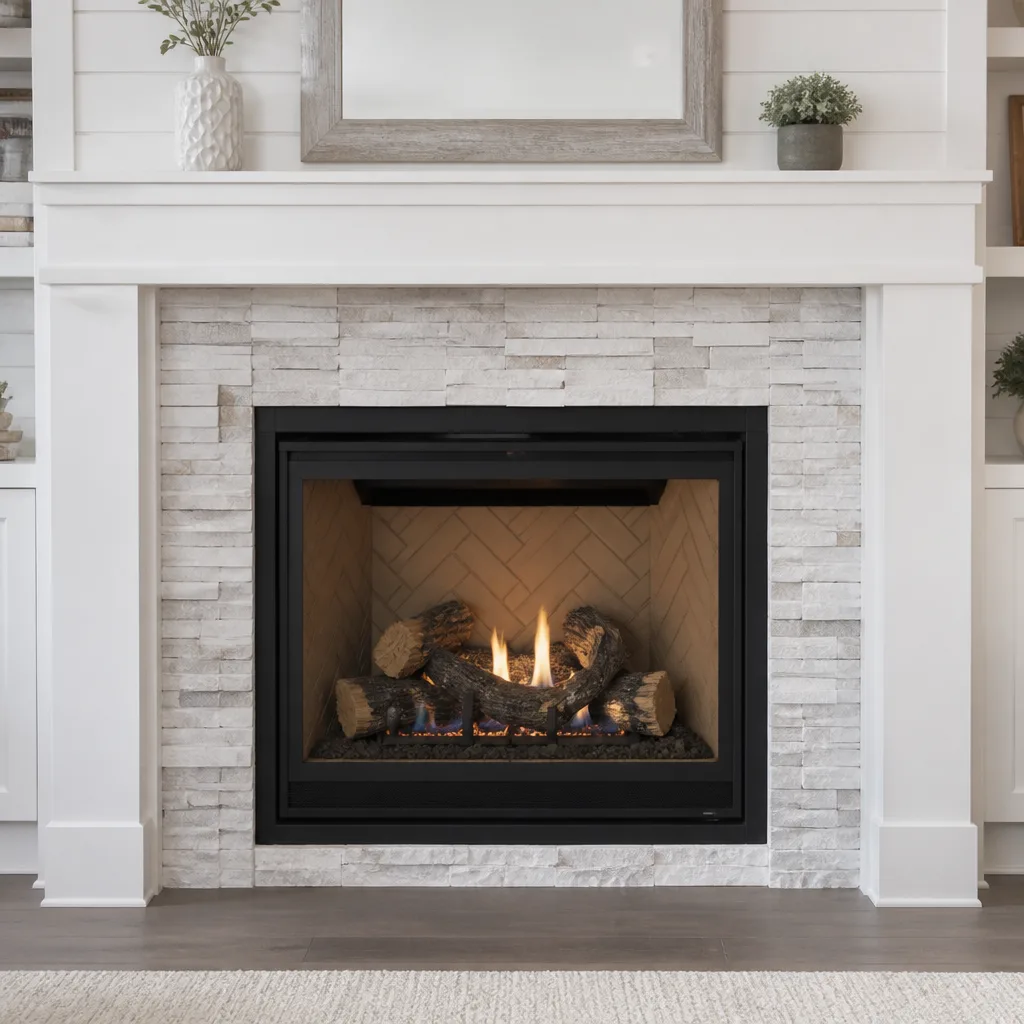 Gas fireplace service
Level 1 sweep and inspection to the NFPA 211 annual standard - flue, crown, cap, and flashing checked and photographed
Chimney sweep logs do not sweep chimneys. They loosen some creosote - which then falls where a brush and vacuum still have to collect it.
Chimney Cleaning Permits, Codes & Inspections in CA: What You Need to Know
Replacing a chimney liner in California without understanding Title 24 compliance requirements can void your homeowner’s insurance and create disclosure liability when you sell. Most contractors won’t tell you that upfront. Here’s the reality: a simple chimney sweep requires no permit, but the moment you touch the firebox, flue liner, or install an insert, you’ve crossed into regulated territory where South Gate building codes, South Coast AQMD rules, and NFPA 211 inspection standards all apply simultaneously. This guide maps exactly where maintenance ends and permitted work begins, so you don’t discover the difference during escrow. For more on keeping your system safe, see our Chimney Sweep Maintenance Checklist for South Gate Homeowners.
Styles & brands we work with
- Sweep & inspection
- Caps & crowns
- Flue relining
- Masonry repair
- Gas fireplace service
Quick Answer
Routine chimney sweeping and visual inspections in California do not require a permit. However, structural repairs including liner replacement, firebox rebuilds, and appliance insert installations require building permits from the City of South Gate’s Building Division, and wood-burning fireplace use is governed by South Coast AQMD no-burn curtailment rules that apply regardless of how recently your chimney was cleaned.
Table of Contents
- What Requires a Permit vs. What Doesn’t: The California Line
- South Coast AQMD Rules: What South Gate Homeowners Must Know
- Title 24 and Chimney Dampers: The Energy Code Connection
- NFPA 211 Inspection Levels and California Building Departments
- Unpermitted Chimney Work During Escrow: The Disclosure Math
- What Actually Happens During a Code-Compliant Sweep and Inspection
- South Gate Climate Factors That Affect Chimney Code Compliance
- Common Mistakes to Avoid
- When to Call a Professional
- Frequently Asked Questions
- The Bottom Line
What Requires a Permit vs. What Doesn’t: The California Line
The California Building Code (CBC) draws a clear distinction between maintenance and modification. A chimney sweep, visual inspection, and creosote removal are maintenance tasks. No permit is required because you’re not changing the structure. But replacing a stainless steel liner with a DuraFlex system? That’s a modification to the flue assembly. The City of South Gate Building Division will want drawings, a permit application, and an inspection before and after the work.
Here’s what fits on each side of the line:
- No permit needed: Chimney sweeping, creosote removal, Level 1 visual inspection, smoke test, camera inspection, minor cap replacement, damper lubrication.
- Permit required: Flue liner replacement (including all relining methods), firebox rebuild, firebox parging beyond surface repair, smoke chamber repair, structural masonry repair that alters the firebox dimensions, installation of a wood stove or insert that wasn’t previously there, and any modification to the chimney crown that changes the flue opening size.
- Gray zone: HeatShield ceramic resurfacing typically falls into the “repair” category in most California jurisdictions because it restores the existing liner without removing it, but South Gate inspectors may want documentation. We always recommend checking with the Building Division before scheduling any HeatShield work on a flue that serves a wood-burning fireplace.
The mistake homeowners make is assuming that because a sweep company offers relining, it’s the same regulatory category as sweeping. It isn’t. A new liner changes the combustion dynamics, the clearance-to-combustibles calculation, and the draft characteristics of the entire system. Building departments treat that as construction, not cleaning. In our experience serving South Gate, Downey, Huntington Park, and Bell Gardens, roughly a third of the chimneys we inspect that have “recently been relined” were done without permits. If you’re unsure whether your liner was properly installed, consult our Chimney Cleaning Warning Signs: A South Gate Homeowner’s Reference Guide. That creates a problem that travels with the house.
South Coast AQMD Rules: What South Gate Homeowners Must Know
South Gate sits inside the South Coast Air Quality Management District, which means your fireplace is regulated by air quality rules that override anything a chimney sweep tells you about when you can burn. Rule 445 covers residential wood-burning devices. From November through February, the AQMD issues mandatory no-burn days when particulate matter levels exceed federal thresholds. Burning wood on those days is a violation, regardless of whether your chimney is clean, your liner is new, or you just spent $400 on a sweep.
The practical implications for maintenance:
- Sweep timing matters less than burn compliance. A clean chimney burning on a no-burn day is still a violation. A dirty chimney burning on a burn day is legal but dangerous. You need both clean equipment and legal burn days.
- Wood-burning fireplaces in new construction or major remodels face restrictions. South Gate falls under AQMD Rule 445 requirements that push new developments toward gas or electric options. If you’re doing a major remodel that touches the fireplace, you may trigger a requirement to convert or remove the wood-burning appliance.
- Curtailment notices don’t come to your mailbox. You check the AQMD website or download their app. Ignorance of a no-burn day is not a defense if a neighbor complains, which happens more often than you’d think in South Gate’s dense residential neighborhoods.
What this means for your annual maintenance routine: you’re not just scheduling a sweep before winter. You’re scheduling it before the burn season starts, then confirming your fireplace’s legal status on any given day. We tell our Chimney Sweep in South Gate customers the same thing: the sweep gets you safe. The AQMD calendar gets you legal. You need both.
Title 24 and Chimney Dampers: The Energy Code Connection
Most homeowners never connect California’s Title 24 energy code to their chimney. They should. Title 24 Part 6 has been quietly shaping chimney components since 2013, and the rules tightened again in 2020 and 2022. The issue is the damper.
A traditional throat damper, that cast-iron plate at the bottom of the flue that you open and close with a lever in the firebox, leaks. Even when “closed,” throat dampers allow conditioned air to escape up the flue when the fireplace isn’t in use. The California Energy Commission knows this. Under Title 24 compliance paths for existing homes, tightening the building envelope includes addressing this leakage.
Here’s what the code actually requires for new construction and applicable remodels:
- New fireplaces must have doors with gaskets that meet ASTM standards for tightness when the fireplace is not in use.
- Top-mount dampers, which seal at the flue termination with a silicone gasket, are the compliance standard when a fireplace is retrofitted or a damper is replaced during permitted work.
- Flue dampers must be listed to the appropriate UL standard and installed per manufacturer specs. This is where brands like Copperfield matter. Copperfield manufactures top-mount dampers and chimney caps that meet the performance thresholds Title 24 compliance paths reference.
The practical takeaway for a South Gate homeowner: if your throat damper is warped, stuck, or missing, replacing it with an identical unit keeps you non-compliant from an energy standpoint even if it technically works. Upgrading to a top-mount damper with a tight-sealing gasket brings you into alignment with what Title 24 expects. This upgrade often gets bundled into a Chimney Repair in South Gate scope of work, and it’s one of the few chimney repairs that actually pays for itself through lower utility bills.
NFPA 211 Inspection Levels and California Building Departments
NFPA 211 is the standard for chimneys, fireplaces, vents, and solid fuel burning appliances. It defines three inspection levels, and California building departments reference it during home sales, after chimney fires, and following any structural alteration. Understanding the levels helps you understand what an inspector will ask for and why.
- Level 1: Visual inspection of accessible portions of the chimney interior and exterior. This is what you get with a standard sweep. No special tools, no climbing on the roof beyond what’s necessary.
- Level 2: Everything in Level 1 plus inspection of accessible attics, crawlspaces, and basements, plus a video scan of the flue interior. A Level 2 is required when a property changes hands, when the chimney has suffered a chimney fire, when a new appliance is attached to the flue, or after an earthquake. Given South Gate’s proximity to the Newport-Inglewood fault zone, post-earthquake Level 2 inspections are a recurring request in our service area.
- Level 3: Everything in Level 2 plus opening or removing portions of the chimney structure to inspect concealed areas. This is invasive and typically follows a Level 2 that revealed serious damage.
During a home sale in South Gate, the typical buyer’s home inspector will flag any visible chimney issues and recommend a Level 2. The escrow process then turns on what the Level 2 camera finds. A flue with moderate creosote is a maintenance item. A flue with cracked clay tiles, missing mortar joints, or a liner showing signs of water intrusion becomes a repair item, and depending on severity, it can trigger a building department review if the repair involves permitted work.
This is where material choice gets regulatory. If a Level 2 inspection reveals that your clay liner is compromised, the repair path leads to either HeatShield resurfacing or full relining with a DuraFlex stainless steel system. Both restore the flue to code-compliant condition, but the permitting path differs. HeatShield often qualifies as an in-place restoration that doesn’t require pulling the old liner, which can streamline the permit process in some jurisdictions. DuraFlex relining involves inserting a new listed liner into the existing flue, and South Gate building officials will want to see the UL listing, the permit, and a post-installation inspection.
Unpermitted Chimney Work During Escrow: The Disclosure Math
Let’s talk about what happens when unpermitted chimney work is discovered during a sale. This scenario plays out weekly in Los Angeles County, and South Gate is no exception.
The sequence is typically this: the buyer’s home inspector flags the chimney, the Level 2 camera reveals a liner that was replaced at some point in the past without a permit, and the buyer’s lender or insurer asks for documentation. When no permit exists, the seller faces three problems simultaneously:
- Insurance liability: If the fireplace was used after the unpermitted relining and a fire occurred, the insurer can deny the claim on the basis of unpermitted modification. The homeowner is personally exposed.
- Disclosure obligations: California’s real estate transfer disclosure requirements are strict. A seller who knows about unpermitted work and fails to disclose it faces legal liability after the sale closes. “I didn’t know it needed a permit” doesn’t work.
- Remediation cost inflation: Fixing unpermitted work after it’s discovered costs more than doing it right the first time. The permit is already on file from the original work, but now you’re paying for a retrospective review, possible tear-out and redo, and often a rush inspection because the closing is waiting.
The disclosure math is simple: a properly permitted relining with a listed DuraFlex system and a final inspection costs a few hundred dollars more in permit fees and inspection scheduling than an unpermitted job. That premium buys you a clean permit history that your insurer accepts, your buyer accepts, and your disclosure forms don’t have to navigate around. If you’re considering relining now, get the permit. If you inherited a chimney with unpermitted work, have a Level 2 inspection done, identify what was done, and talk to the Building Division about a path to compliance before you list the house.
What Actually Happens During a Code-Compliant Sweep and Inspection
A code-compliant sweep in California is more than running a brush up the flue. The NFPA 211 Level 1 process involves specific steps that correspond to inspection points the building department and your insurer care about. Here’s what we do when we sweep a chimney in South Gate:
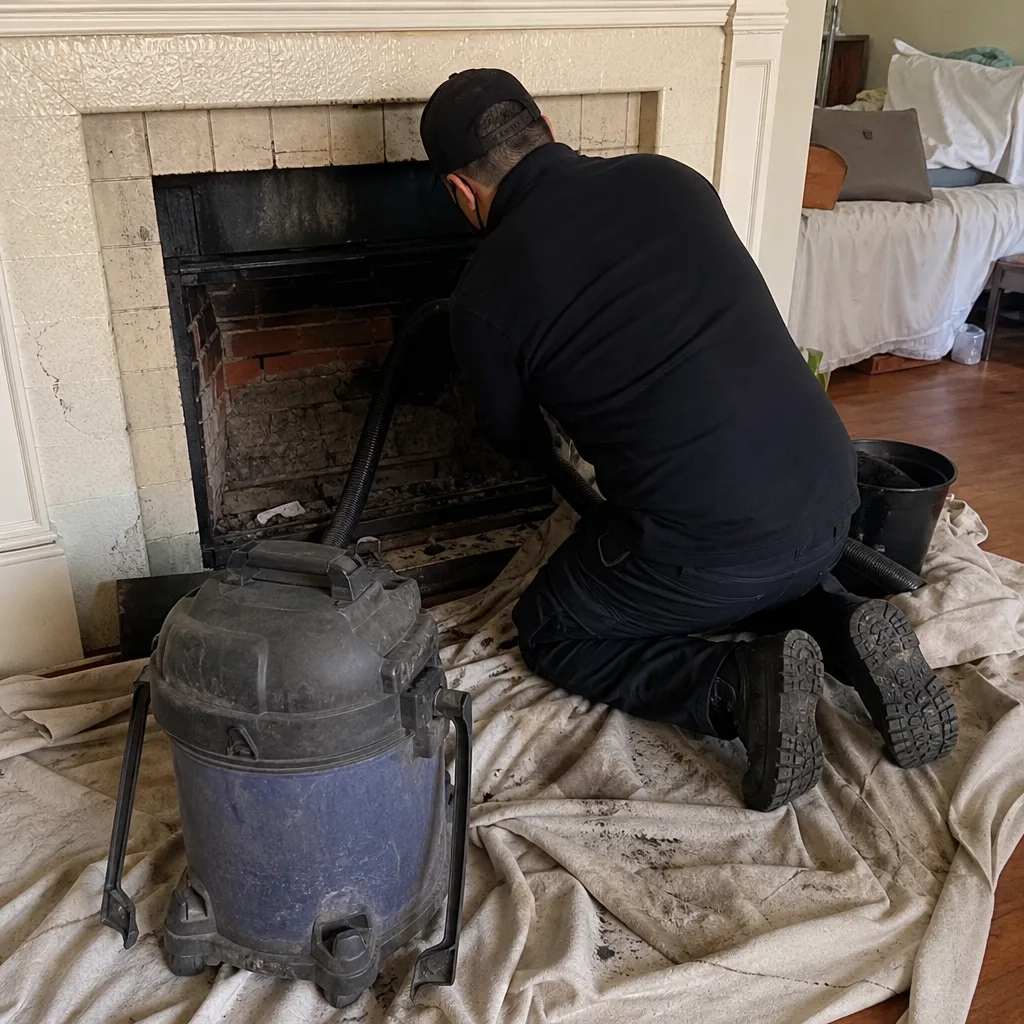
- Interior setup and protection: Drop cloths around the fireplace, coverings on nearby furniture, and a containment system around the firebox opening to prevent dust migration into the living space.
- Visual inspection of the firebox: We check the refractory panels, the damper assembly, the smoke shelf, and the lintel. Cracks in refractory panels are the most common finding in South Gate homes, and they’re a repair item because the panels protect the firebox structure from direct flame contact.
- Flue sweep: Brushes matched to the flue dimensions remove creosote from the walls. Different brush types for clay liners versus stainless steel liners because a steel brush can damage a steel liner.
- Camera inspection: After sweeping, we run a camera up the flue to verify that creosote removal is complete and to document the condition of the liner. This documentation matters if you sell the house later.
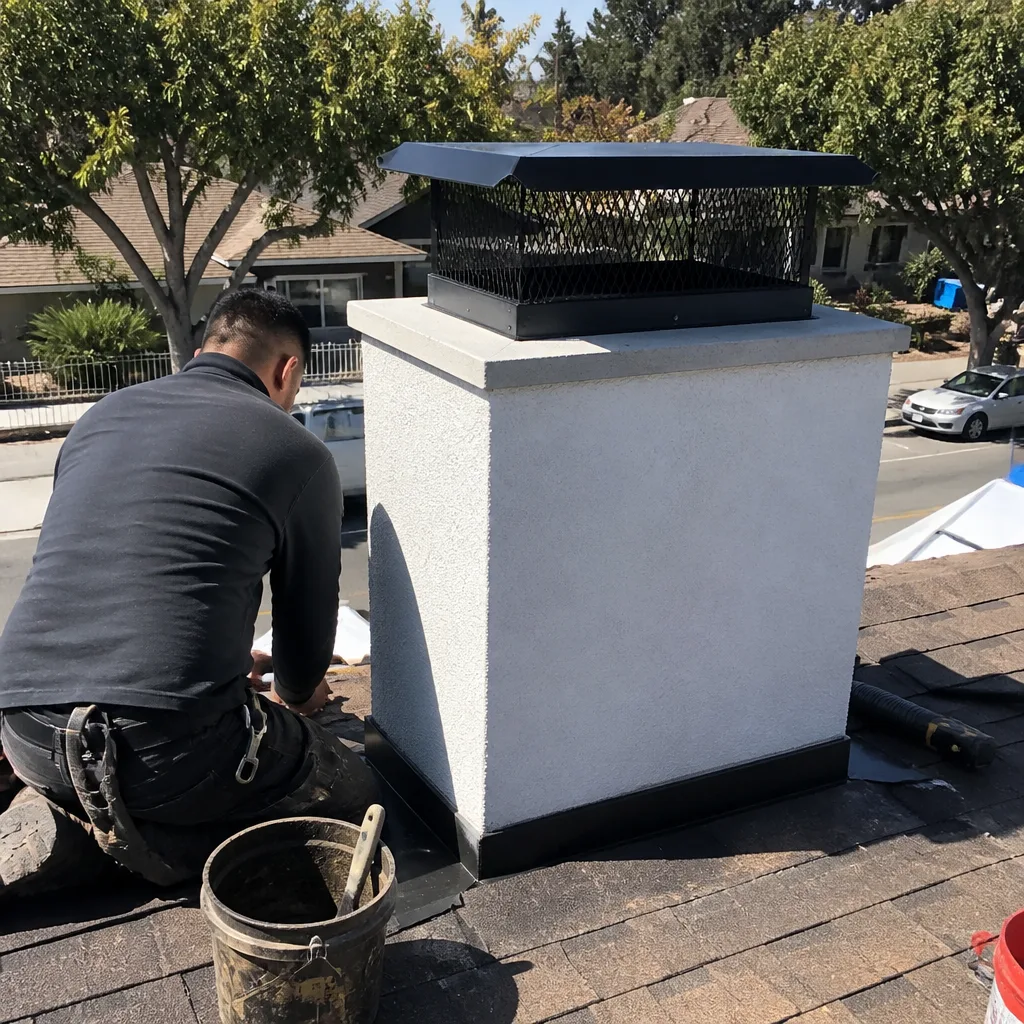
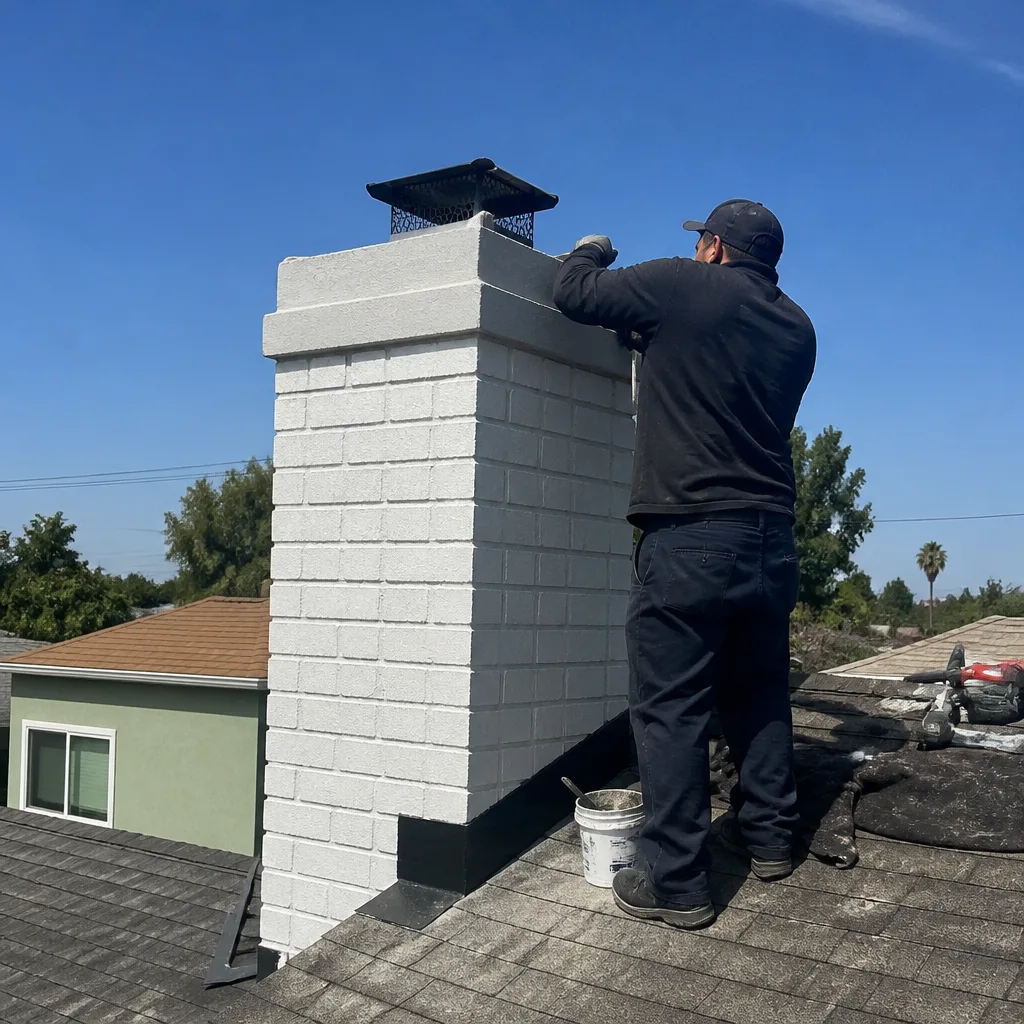
- Exterior inspection: The chimney crown, cap, flashing, and mortar joints are checked from the roof. South Gate’s freeze-thaw cycles are mild compared to the mountains, but cracked crowns still happen, and a cracked crown is how water gets into the chimney system.
- Report and recommendations: You get a written report with photos documenting what was done and what we saw. If repairs are needed, you’ll have specific recommendations with clear urgency levels: do it now, do it before the next burn season, or watch it and we’ll recheck next year.
We also include dryer vent inspection in our conversation with customers. It’s a Dryer Vent Cleaning in South Gate service that’s related but distinct: lint blockages are a different failure mode than creosote, but both are fire hazards you can’t see from the outside. One call covers it.
South Gate Climate Factors That Affect Chimney Code Compliance
South Gate’s climate creates specific chimney conditions that influence what inspectors find and what codes apply. We’re 117 feet above sea level in the Los Angeles Basin, which means mild winters, low precipitation, and a marine layer that keeps humidity moderate. That might sound gentle on a chimney, but it creates specific problems.
The low precipitation means chimneys in South Gate rarely suffer the freeze-thaw spalling that destroys masonry in the Sierra foothills. But the marine layer means that unlined or poorly flashed chimneys absorb moisture slowly and steadily during the May Gray and June Gloom months. That moisture wicks through mortar joints and causes a different kind of deterioration: efflorescence, spalling from salt crystallization, and corrosion of damper assemblies. We regularly see fireboxes in South Gate homes with corroded dampers that won’t fully open or close, and the cause is routinely years of slow moisture exposure, not heavy use.
The frequency of fireplace use also matters. South Gate homes with wood-burning fireplaces typically use them 10 to 20 times per year, almost entirely between November and February. That light use pattern means creosote accumulates slowly, which sounds good, but it also means homeowners go years between sweeps. A slow creosote buildup can still reach dangerous levels because the risk isn’t the total accumulation, it’s the grade of creosote. Third-degree, glazed creosote is the fire hazard, and it can form after just one or two seasons of smoldering fires with wet or unseasoned wood.
For South Gate homeowners, the compliance-relevant lesson is this: don’t assume low usage means low risk. Get a camera inspection before the burn season even if you only burned a handful of times last year. The inspection documents the condition for your records, satisfies the pre-season safety check, and establishes a baseline for future comparisons.
Common Mistakes to Avoid
- Skipping the permit on a liner replacement because “the sweep guy said it’s fine.” Sweep technicians identify problems. They don’t make permitting determinations for structural repairs. If your liner needs replacing, the City of South Gate Building Division decides what requires a permit, not the person holding the brush.
- Burning on no-burn days because the chimney is clean. AQMD Rule 445 doesn’t care how clean your chimney is. The curtailment is about air quality, and a compliant chimney burning on a no-burn day is still a violation.
- Replacing a broken throat damper with another throat damper. Title 24 energy compliance favors top-mount dampers. Spending money on a direct replacement locks in ongoing energy loss and doesn’t bring you into alignment with what the energy code expects.
- Using the fireplace after a chimney fire without a Level 2 inspection. A chimney fire can compromise the liner even if the fire was extinguished quickly and everything looks fine from the outside. The damaged liner is a fire hazard on the next use.
- Assuming the home inspector during a sale will catch chimney issues. Home inspectors perform visual inspections, not NFPA 211 Level 2 inspections. They’ll flag obvious exterior issues, but concealed liner damage requires a camera, and that camera only shows up if someone asks for it.
- Paying for a relining without asking about UL listings. A liner that isn’t UL-listed to the appropriate standard fails inspections and voids the point of the repair. DuraFlex systems carry the proper listings, which is why we use them. Hardware-store pipe doesn’t.
- Treating dryer vent cleaning as a separate, optional service. Lint blockages are among the most common causes of house fires in Los Angeles County, and the same inattention that leads to creosote buildup leads to lint buildup. A fire hazard you can’t see works the same way in both systems.
When to Call a Professional
You’re ready to call a professional when you see specific signs. Light, fluffy creosote you can brush yourself with a basic brush and some patience, though most people prefer not to. But you need a professional when you see shiny, tar-like creosote on the flue walls, when you smell a campfire odor inside the house on a rainy day, when you see water stains on the ceiling near the fireplace, when the damper won’t stay open or won’t fully close, when you notice cracking in the firebox panels, or when you’re buying or selling a home and need documented inspection results. You also need a professional when the AQMD calendar says no-burn but you want to verify that your fireplace is safe to use when the curtailment lifts. Chimney Sweep South Gate home is the starting point. Chimney Sweep South Gate offers free estimates in South Gate. Call (833) 958-8849.
Frequently Asked Questions
Chimney sweeping in South Gate typically runs between $139 and $249 for a standard flue with light to moderate creosote buildup. A Level 2 camera inspection, which we include with every sweep, adds documentation value without a separate line item. The price goes up if you have a heavily restricted flue, a steep roof requiring special access equipment, or if the sweep reveals repairs that need addressing. Call (833) 958-8849 for an exact quote. Estimates are free.
You need a new liner only if a camera inspection shows that the existing liner is compromised. Cracked clay tiles, missing mortar between tile sections, or a liner that has separated from the flue walls are legitimate indicators. If someone is recommending a new liner without camera evidence, ask to see the footage. Nothing should be recommended without camera evidence you can see for yourself. Some compromised liners can be restored with HeatShield rather than fully replaced, and that’s a conversation worth having before you commit to the cost of a full reline. Call (833) 958-8849 for a camera-based assessment.
The NFPA standard says chimneys should be swept when creosote reaches 1/8 inch thickness, and the practical recommendation for South Gate homeowners who burn 10 to 20 times per season is an annual sweep. Your usage might justify every other year, but you won’t know until a camera inspection establishes your accumulation rate. Lighter use doesn’t automatically make the chimney safe because third-degree glazed creosote can form after one or two seasons of smoldering fires.
The real risk is that a creosote fire doesn’t announce itself until it’s actively burning. A flue fire burns hot enough to crack clay liners and compromise the structure, and you may not know it happened until a later inspection reveals the damage. Skipping a year when the chimney was clean last year and you didn’t use it is low risk. Skipping a year when the chimney was marginal last year or you burned wet wood is how slow damage becomes expensive repair.
Gas fireplace chimneys have different inspection requirements because the combustion byproducts are different. Gas doesn’t produce creosote, but it does produce acidic condensation that can corrode liners, and blocked vent systems can create carbon monoxide issues. A gas fireplace is a carbon monoxide risk when the vent system is compromised, and annual inspections are recommended for the same reason they’re recommended for wood systems: the failure mode is invisible until something goes wrong.
Repairs in South Gate vary by scope. A damper replacement or cap repair runs from $200 to $600. A refractory panel replacement is typically $400 to $900. A full flue relining with a professional-grade system like DuraFlex generally runs from $2,800 to $6,000 depending on the flue length and access difficulty. A full firebox rebuild with permits and inspection typically starts around $3,500 and goes up from there. Call (833) 958-8849 for a site-specific quote. Free estimates don’t obligate you to anything.
The Bottom Line
Chimney cleaning in California splits into two worlds. The routine world of sweeping and inspection requires no permits, no regulatory filings, and no special approval. The structural world of relining, firebox repair, and insert installation requires permits, inspections, and compliance with codes that most homeowners never learn about until a transaction forces the issue. South Gate adds the AQMD layer, which governs not your chimney’s condition but your legal right to use it. The smart play is to treat chimney maintenance as a documented, permit-aware process from the beginning, and you can find more guides & resources on our blog. Clean what needs cleaning, permit what needs permitting, and keep records that prove you did both.
Written by the team at Chimney Sweep South Gate, serving South Gate since 2013.
See the difference
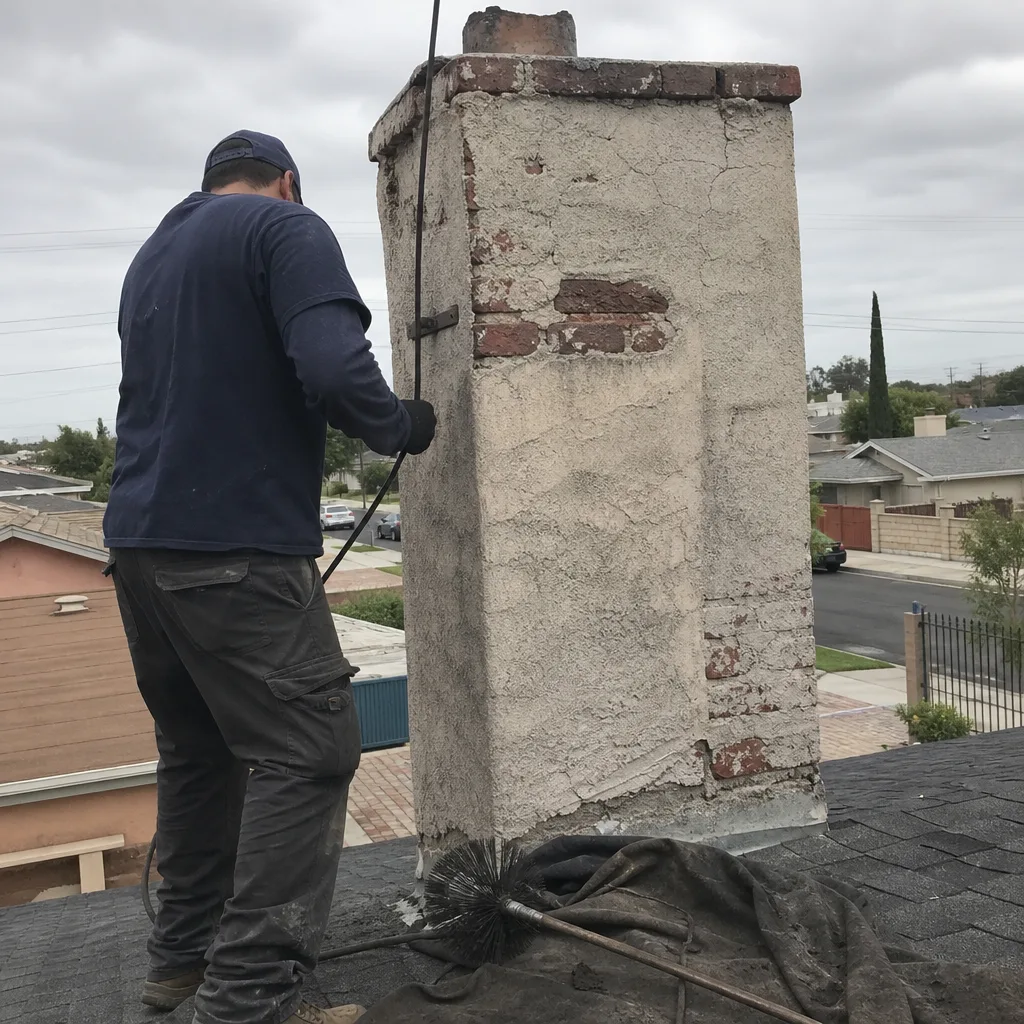 Before
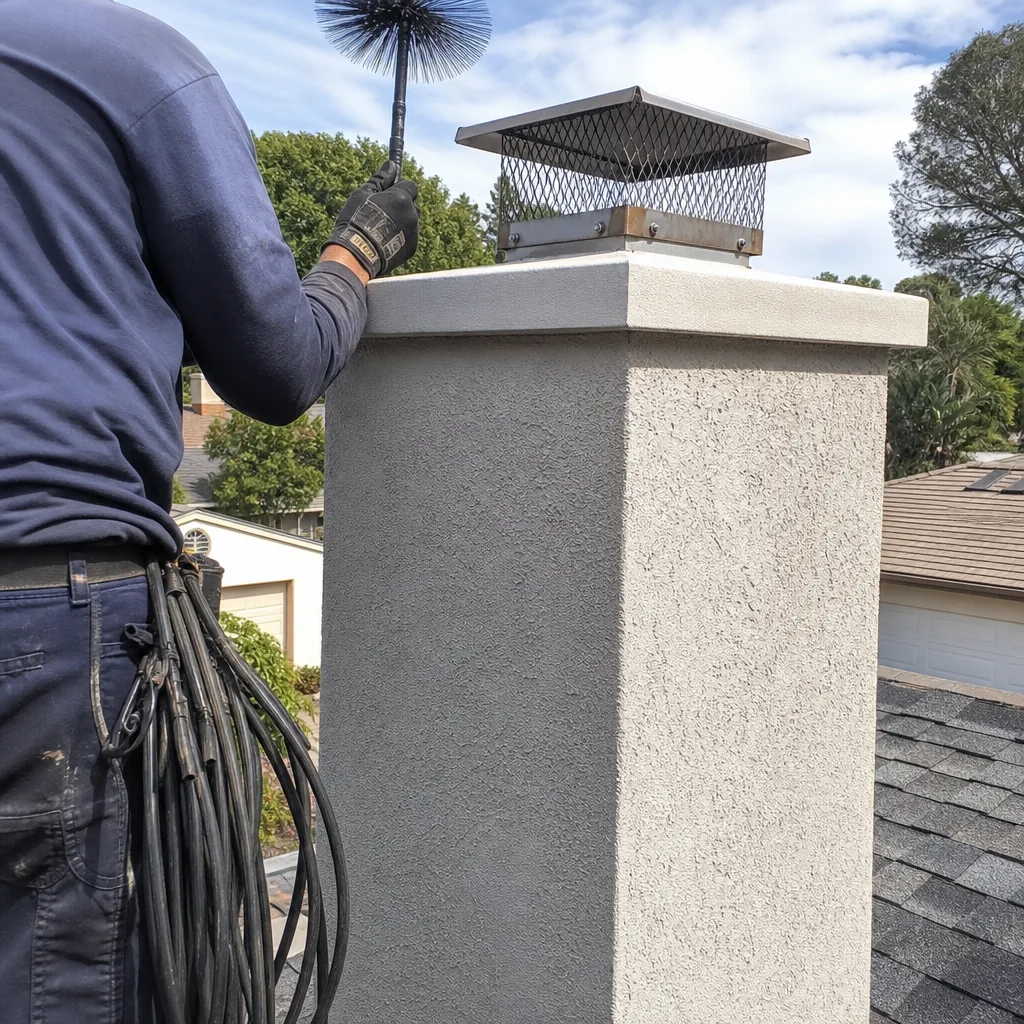 After
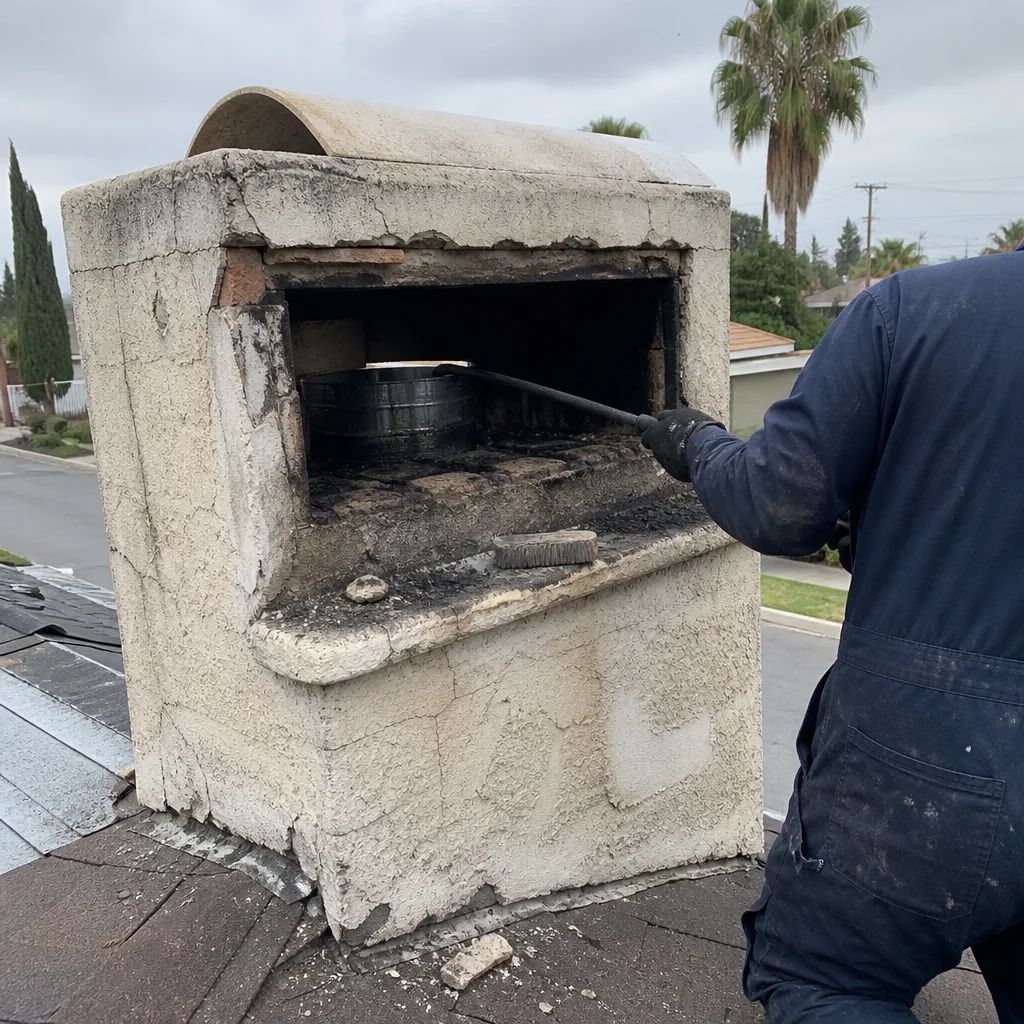 Before
 After
 Before
 After