
Last updated November 2, 2026
 Sweep & inspection
 Caps & crowns
 Flue relining
 Masonry repair
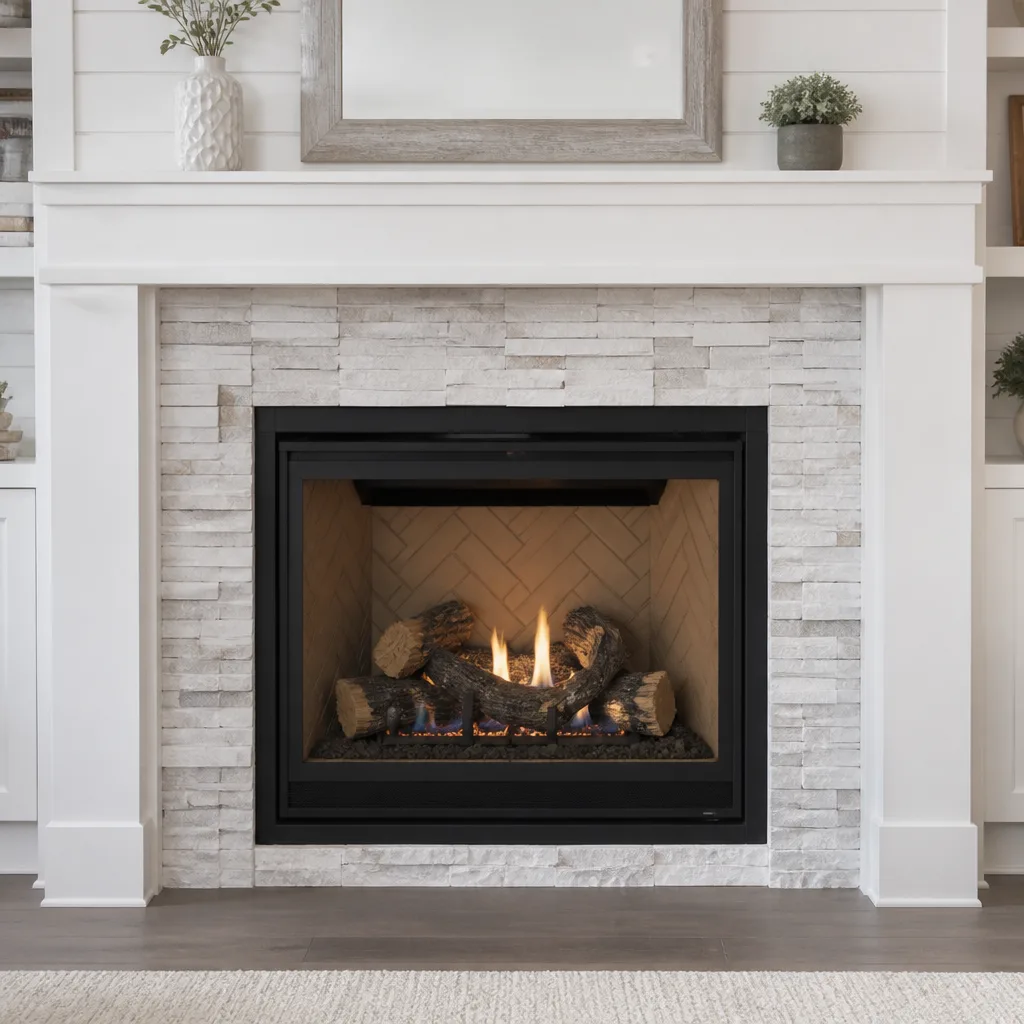 Gas fireplace service
Level 1 sweep and inspection to the NFPA 211 annual standard - flue, crown, cap, and flashing checked and photographed
Chimney sweep logs do not sweep chimneys. They loosen some creosote - which then falls where a brush and vacuum still have to collect it.
Chimney Sweep Troubleshooting: Common Problems and How to Fix Them
If your fireplace smokes into the room only on windy days, the problem almost certainly isn’t your damper. It’s a pressure dynamic between your chimney height and roofline that no amount of cleaning will solve. That distinction matters because most chimney troubleshooting guides waste your time on symptoms. This guide teaches you to read signals instead. We’re a Chimney Sweep in South Gate, and we’ve built this from hundreds of fireplaces across Los Angeles County, where coastal air, 70-year-old masonry, and seasonal Santa Ana winds create a unique set of failure patterns you won’t find in a generic checklist.
Quick Answer
Chimney problems break down into four root categories: draft failure, blockage, moisture intrusion, and structural deterioration. Most visible symptoms – smoke backdraft, summer odors, slow draws, white staining on brick – map to these four causes. Start with visual inspection and a basic draft test, not by calling for a cleaning. If your chimney pulls smoke cleanly but stinks in August, sweeping won’t help. If your damper works fine but smoke rolls in on windy days, the issue is height and pressure, not blockage.
Styles & brands we work with
- Sweep & inspection
- Caps & crowns
- Flue relining
- Masonry repair
- Gas fireplace service
Table of Contents
- Reading Symptoms, Not Complaints: The Diagnostic Mindset
- Draft Problems vs. Blockage Problems: The Smoke Pencil Test
- Why Summer Creosote Odor Signals Moisture, Not a Dirty Chimney
- Smoke Backdraft: Three Causes, Three Different Presentations
- What Spalling Firebox Brick Tells You About Your Liner
- White Staining (Efflorescence) and What It Means for Your Flue
- Dryer Vent Troubleshooting: Same Principles, Different System
- When DIY Troubleshooting Ends and Professional Assessment Begins
Reading Symptoms, Not Complaints: The Diagnostic Mindset
Homeowners call us with a complaint: “The fireplace smells.” “Smoke comes into the room.” “The damper sticks.” That’s a starting point, not a diagnosis. A complaint tells you what’s annoying. A symptom tells you what’s failing. The difference is enormous, because the same complaint can map to wildly different root causes, and each requires a different fix.
Here’s how it works. A smoky fireplace on a still, cold night is often a blockage or a cold flue. A smoky fireplace only when winds exceed 15 mph is almost always a pressure issue at the chimney termination. A smoky fireplace that worsens throughout a burn is creosote narrowing the flue. Same complaint, three entirely different problems. If you treat the first one with a chimney sweep, you solved it. If you treat the second with a cleaning, you spent money and nothing changed.
Start every diagnosis by asking four questions:
- When does it happen? (Cold starts, windy days, end of a burn, only in summer?)
- What does it smell like? (Campfire, acrid chemical, musty basement, hot laundry?)
- What do you see? (White crust on brick, dark stains on the wall above the firebox, rust on the damper?)
- What changed recently? (New roof, new HVAC, removed a tree that shaded the chimney, new vented gas appliance?)
In South Gate specifically, we see a lot of chimneys attached to single-story stucco homes where the flue terminates below the ridge line. That’s a classic setup for wind-driven backdraft. It’s also a climate issue: mild winters mean chimneys sit idle for months, and when you light a fire in November, the flue is cold and the interior is bone dry. That’s a recipe for a slow first draw, even with a perfectly clean chimney.
The diagnostic mindset saves you from throwing money at the wrong fix. It’s the difference between paying $230 for a sweep that does nothing and fixing an $80 chimney cap that solves the problem permanently.
Draft Problems vs. Blockage Problems: The Smoke Pencil Test
Draft and blockage are not the same thing. A blockage physically prevents exhaust from leaving. A draft problem means the pressure differential isn’t strong enough to pull exhaust up the flue, even when the flue is clear. You can’t treat one like the other.
Here’s the cheapest diagnostic tool in chimney work: a smoke pencil, smoke match, or incense stick. Cost: under $15. Time: five minutes. Information gained: the direction and force of air movement at any given point in the system.
Here’s how to run the test properly:
- Open the damper fully and close all windows and doors in the room. You want a sealed room, because that’s the worst-case draft scenario.
- Light the smoke source and hold it in the firebox, at the throat of the damper.
- Watch the smoke: clean, vertical rise into the flue means draft is present. Smoke that curls back into the room or hangs static means draft is weak or absent.
- Repeat the test with a window cracked one inch. If draft improves, the home is depressurized – exhaust fans, HVAC returns, or attic venting are competing with the chimney for air.
- Check the smoke path at the firebox opening. A slight inward pull at the edges with a lazy center is normal. A hard rollout at the top quarter of the opening usually means flue size is marginal for the firebox dimensions.
If the smoke test shows zero draft on a cold, still day, that’s the time to look for blockage: a collapsed flue tile, an animal nest, a damper stuck closed, or a chimney cap clogged with debris. South Gate’s mature trees and older housing stock mean we find more leaf-pack in flues and more squirrel activity than you’d expect in an urban environment.
If the smoke test shows draft when the house is closed but problems when certain windows open, you’re dealing with a depressurization issue. The fix is often a make-up air source in the mechanical room or a code-compliant outside air kit feeding the firebox itself – not a chimney cleaning.
We see depressurization more in newer South Gate remodels, where homeowners have sealed attics and upgraded to high-volume range hoods without considering the exhaust balance of the home. The house becomes a tighter box, and the chimney becomes the weakest path for replacement air.
Why Summer Creosote Odor Signals Moisture, Not a Dirty Chimney
One of the most common calls we get in June, July, and August is from homeowners who say their chimney smells like a campfire even though they haven’t burned since March. The instinct is to think the chimney is dirty. That’s usually wrong.
Creosote is the culprit, yes. But the reason you can suddenly smell it in the summer isn’t that there’s more creosote than there was in May. It’s that moisture has entered the system, and moisture activates the odor compounds in creosote and makes them off-gas. You’re smelling a chemical reaction triggered by water, not combustion byproducts sitting there waiting for a cleaning.
Summer in South Gate means morning marine layer, overnight humidity, and a chimney that cools and warms in daily cycles. If your chimney cap is missing, cracked, or undermount, fine fog and rain get into the flue. That moisture soaks into the creosote glaze on the flue walls, and once humidity in the flue hits a threshold, the odor becomes unmistakable – musty, acrid, and particularly bad on humid mornings.
The fix starts by addressing the moisture path:
- Verify the chimney cap is intact and correctly sized for the flue tile. A crown without a cap, or a cap with rust-through holes, lets water fall directly into the flue.
- Check the mortar crown at the top of the chimney. Hairline cracks act like capillary channels, wicking moisture into the masonry and down toward the firebox.
- Inspect the flashing where the chimney meets the roofline. Leaks here track water into the brick, not the flue, but the odor result is the same.
- If you have an exterior masonry chimney (common in South Gate pre-1980 builds), check whether the brick itself is saturated. Paint that’s bubbling or peeling near the chimney chase is a tell-tale sign.
Once the moisture source is corrected, a professional-grade sweep removes the creosote that’s been off-gassing. If the source isn’t corrected, the odor returns every year regardless of how many times you sweep. This is the fundamental difference between treating the cause and treating a symptom.
Smoke Backdraft: Three Causes, Three Different Presentations
Backdraft gets lumped together as one problem, but it’s actually three distinct failure modes, and the way it presents at the firebox tells you which one you’re dealing with.
Cause 1: Negative house pressure. This is backdraft caused by the house wanting air more than the chimney can supply it. The presentation: smoke rolls out when you light the fire, then improves when you open a window. The fire draws better in the first hour, then starts smoking again when exhaust fans kick on. You’ll see this most often in homes with powerful range hoods, whole-house fans, or recently upgraded HVAC with aggressive return ducts.
Cause 2: Wind-induced downburst. This is the chimney-to-roofline pressure problem from the opening hook. The presentation: backdraft only on windy days, and often only from certain wind directions. You might see smoke puff out immediately after a gust, then settle when the gust passes. If your chimney terminates below your roof’s ridge line, wind hitting the roof’s windward slope creates a high-pressure zone that pushes down more forcefully than the flue’s natural draft can resist.
Cause 3: Insufficient flue height or diameter. This is a sizing problem, not an environmental one. The presentation: persistent smoke rollout even with a clean flue, a bedroom door cracked, and a roaring fire. You might notice that small, hot fires draw okay but larger fires smoke. Or that the first burn of the season is fine and every subsequent burn gets worse as deposits narrow an already-marginal flue.
Here’s why the distinction matters. Cause 1 is often solved with make-up air or an outside air intake. Cause 2 is solved by extending flue height, adding a properly designed vacuum-style cap (we work with Olympia Chimney products for exactly this scenario), or relocating the flue termination in severe cases. Cause 3 is solved with a proper flue lining system – in our repair work, we use DuraFlex flexible liner systems for exact-fit relining rather than trying to coax a 1950s clay tile into modern performance.
In South Gate, wind-driven downburst is the one we diagnose most often. The prevailing westerlies off the Pacific hit the east side of homes hard, and any chimney that terminates within eight feet of a roof plane or ridge line is vulnerable. If your smoke problem magically disappears in calm weather, wind is your variable, and the fix is almost always at the termination, not inside the firebox.
What Spalling Firebox Brick Tells You About Your Liner
Spalling is when the surface layer of a brick or mortar joint flakes off. In the firebox, it looks like sandy debris at the back of the hearth, thin flakes of brick on the floor, or a firebrick that’s crumbling at its face. Most people assume it’s cosmetic. It’s not.
Firebox brick is the first line of thermal defense, but it’s never the last. The flue liner behind the firebox wall handles the actual high-temperature exhaust. When you see spalling at the firebox floor or lower side walls, two things are either happening or about to happen.
First, moisture is cycling through the masonry. Water penetrates from the top or the exterior, absorbs into the brick, expands when heated, and pops the surface layer. In South Gate’s climate, where winters are mild but not dry, and summers push surface temperatures over 140°F on south-facing brick, this thermal-moisture cycle is relentless.
Second, and more urgently, spalling firebrick often correlates with a compromised liner directly behind it. Heat that the firebrick should be reflecting is instead conducting through gaps into the structural brick, and water is finding its way through cracks in the flue. The firebrick is spalling because the system behind it is failing. Fixing the firebrick without addressing the flue is a surface-level repair on an underlying problem.
Here’s a simple progression that tells the story:
- Moisture gets in through a cracked crown or failed flashing.
- Water works into the flue liner, causing clay tile joints to erode.
- Heat and moisture now escape the flue and saturate the firebox brick.
- The firebox brick spalls at the surface.
- Homeowner patches the firebox with high-temp mortar.
- Next season, spalling continues because the flue is still leaking.
If you see spalling anywhere in the firebox, the liner needs a camera inspection before any patching happens. It’s the one situation where a visual symptom inside the firebox is a direct signal about a component you can’t see. Our approach in South Gate is consistent: assess the flue condition with a camera, document what the liner actually looks like, and only then recommend firebox repair. If the liner checks out, we use high-temp refractory mortar and the right firebrick for the application – often sourcing through professional supply channels rather than whatever generic brick the hardware store stocks.
White Staining (Efflorescence) and What It Means for Your Flue
White, chalky staining on exterior brick is efflorescence: dissolved salts from inside the masonry that migrate to the surface as water evaporates. It’s not a stain from rain. It’s your chimney excreting its internal chemistry because water is moving through the wall in the wrong direction.
The presence of efflorescence tells you three things. First, moisture is getting into the masonry structure from somewhere – the crown, the cap, the flashing, or the mortar joints themselves. Second, the brick and mortar are of an age and porosity where capillary action is active, which in South Gate usually means pre-1985 construction. Third, that same water path is likely affecting the flue liner, because water that soaks through the chimney wall doesn’t stop at the interior surface.
The danger of efflorescence alone is low. The danger of the conditions that create it is high. An unattended moisture problem in a chimney leads to the same progression every time: freeze-thaw spalling of the exterior brick (worse in California’s inland cold snaps than people expect), erosion of the flue mortar joints, loss of draft as the flue surface becomes rough and turbulent, and eventually structural masonry failure at the weakest point.
In South Gate, we look at efflorescence as an early-warning signal rather than a cosmetic annoyance. If you see faint white staining starting at the roofline and progressing downward, the flashing is the likely entry point. If it’s concentrated near the top of the chimney, the crown or cap is the problem. If it’s widespread and vertical, you’re looking at mortar joint saturation, which often means repointing is needed before any coating or sealing.
One thing worth being direct about: waterproofing or sealant treatments do not fix efflorescence on their own. They might buy a season or two of better appearance, but they trap moisture inside the brick if applied over an active leak, and trapped moisture accelerates internal deterioration. Fix the water path first, then talk about protective treatments.
Dryer Vent Troubleshooting: Same Principles, Different System
We treat Dryer Vent Cleaning in South Gate as a core service alongside chimney work because the failure logic is identical: a duct carries heated exhaust and particulates away from the home, and when that duct is compromised, the same three failure modes apply – blockage, draft failure, and moisture damage.
A dryer that takes longer than 40 minutes to dry a load, a laundry room that’s humid during cycles, or a dryer exterior that’s hot to the touch are all signaling a restriction. The lint trap catches what it catches. The rest goes down the duct, and over time, that lint packs against vent interior surfaces, reducing effective diameter and raising exhaust temperatures.
Here’s the key difference from chimney troubleshooting: dryer vent blockages are a documented fire pathway. The U.S. Fire Administration attributes thousands of house fires annually to dryer exhaust systems where lint accumulation has created a fuel load inside the vent. You can’t see it from the outside. The vent cap looks clean. The duct behind it is the hazard – a fire hazard you can’t see.
If your dryer vent runs more than 10 feet, has more than two elbows, or terminates through a roof, watch for these signals:
- Clothes are still damp after a full timed cycle
- The top of the dryer is warm during operation
- You can smell a burning-dust odor when the dryer runs
- The exterior vent flap hangs open or doesn’t move when the dryer is on
- You can’t recall the last time the duct was cleaned
In South Gate, we see a disproportionate number of dryer vents that terminate directly onto patios or into enclosed side yards. Lint builds at the termination point, gets wet from sprinklers or marine air, and becomes a solid mat that can cut exhaust flow by 80% before the homeowner notices. A professional chimney sweep service that includes dryer vent cleaning, done properly with rotary brush agitation, restores full flow. It’s a straightforward service that pays for itself in dryer efficiency and removes a real ignition source from the home.
When DIY Troubleshooting Ends and Professional Assessment Begins
There’s a line between useful self-diagnosis and risky probing, and it’s drawn at the point where continued investigation can make a repair more expensive or compromise the system’s safety. Knowing where that line is will save you money and stress.
Appropriate DIY territory: visual inspection of the firebox for obvious damage, checking the damper for full travel, running the smoke pencil test, inspecting the chimney cap from the ground with binoculars, monitoring when and how smoke behavior changes, checking your dryer vent’s exterior termination for visible lint.
Where you should stop: anything that requires ladder access to the roof. Removing a chimney cap without understanding the flue tile configuration. Poking tools into the flue to “check for blockages” when you can’t see what you’re hitting – that’s how you dislodge a nest only to have it wedge tightly further down the flue, turning an accessible blockage into a mid-flue jam that requires removal equipment. Scraping creosote or using chemical cleaners without knowing the stage of creosote deposition you’re dealing with. And any attempt to reline, repair flue tile, or patch spalled firebrick without having seen the interior flue condition via camera.
Here’s a real scenario from our South Gate service area: a homeowner noticed slow startup draft and decided to “help” by removing the chimney cap and dropping a weighted line down the flue to check for blockages. The line dislodged a squirrel nest that had been sitting at the top of the flue. The nest fell 12 feet and wedged solidly at the smoke shelf. What would have been a 20-minute cap removal and nest extraction became a several-hour disassembly job that ended up requiring flue access from below. The probing cost more than the original repair would have.
Chimney Repair in South Gate is one of our core services, and we’d rather assess a problem early and tell you it’s nothing than have you discover the problem through damage. If your self-diagnosis points to liner issues, flue obstruction, or flashing failure, that’s the time to call a professional with the right equipment.
Common Mistakes to Avoid
- Burning a “clean-out” fire to clear creosote. High-temperature fires can ignite existing creosote glaze inside the flue, and a chimney fire burns hot enough to crack clay tile and distort metal liners. This is one of the most actively dangerous pieces of chimney folklore still circulating. Never attempt it.
- Using chemical creosote removers as a substitute for sweeping. Chemical treatments can alter creosote composition enough to make it easier to remove, but they do not remove it. What they often do is dry the surface layer and loosen flakes that then fall and compact at the smoke shelf, creating a new blockage.
- Patching spalled firebox brick with standard masonry mortar. Regular mortar degrades under direct firebox temperatures. You need a refractory mortar rated for high-temperature exposure. Using the wrong material guarantees the patch fails within one or two seasons, often cracking in ways that channel heat directly to the surrounding structure.
- Sealing efflorescence without fixing the water path. Trapping moisture inside the chimney wall accelerates brick deterioration. Sealant or waterproofing applied over a leak is worse than doing nothing.
- Assuming a strong wind is always the enemy. Some wind conditions actually improve draft, and the interaction between roof shape, chimney height, and wind direction is specific to your house. The fix may be a simple cap change, not a flue extension. Diagnose before you modify.
- Ignoring a dryer that takes longer than normal. Your appliance is telling you something. Lint restrictions don’t self-resolve, and the peak fire risk is when the vent is partially – not fully – blocked, because airflow cools the lint while still letting the dryer function. That partial blockage is the most dangerous state.
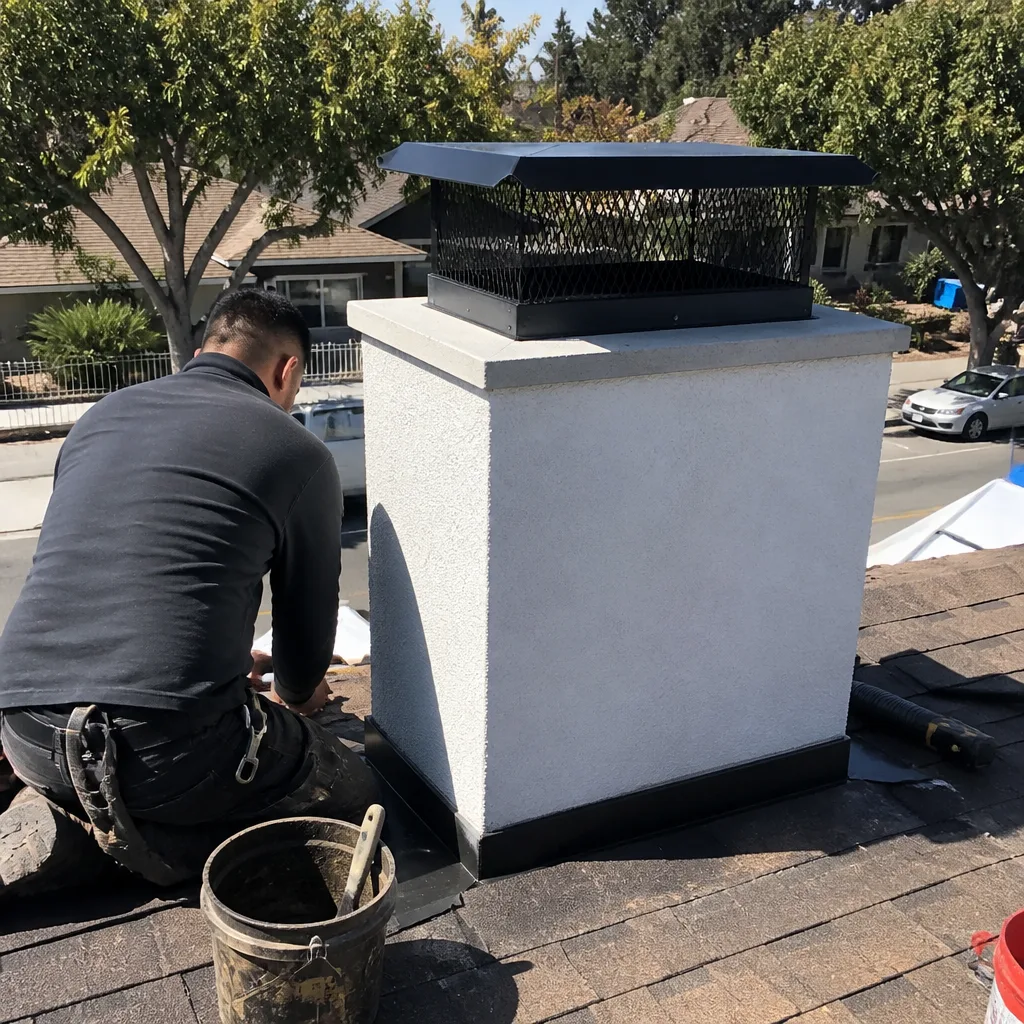
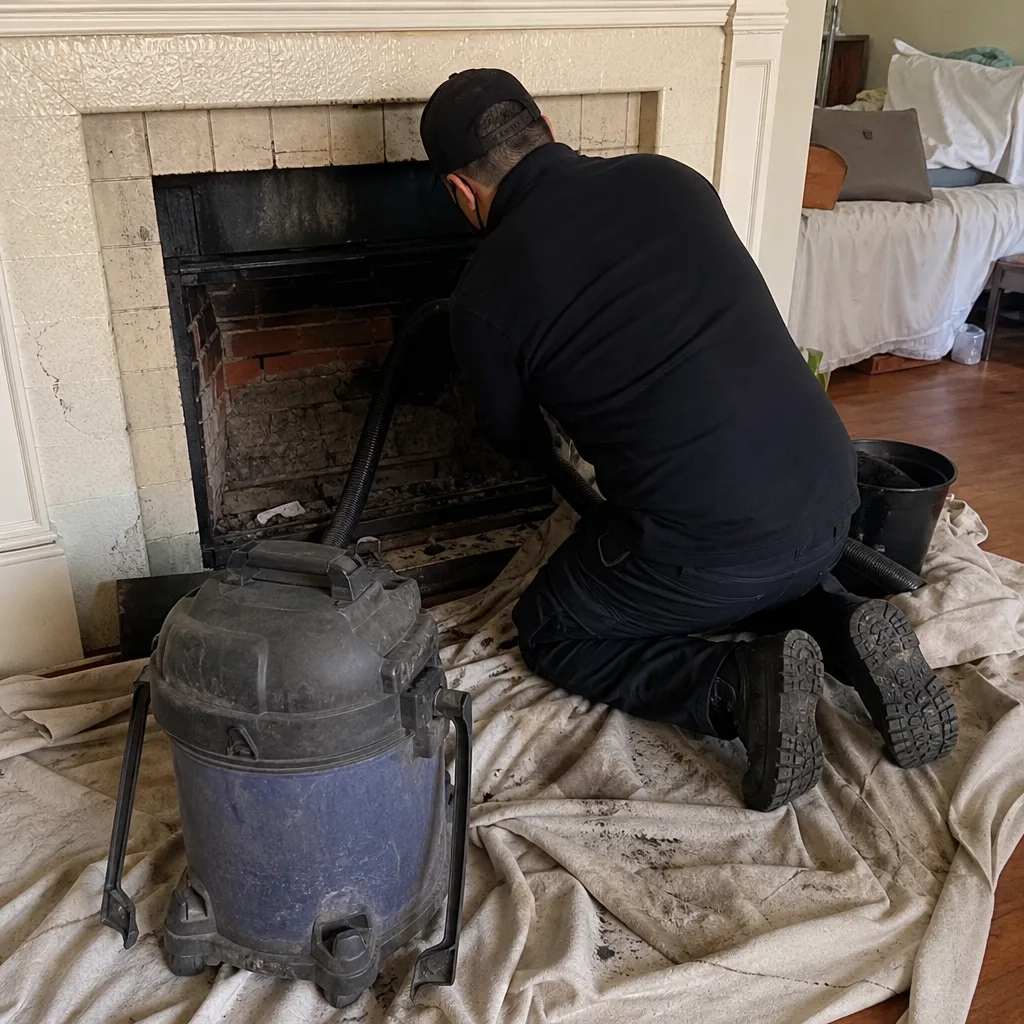
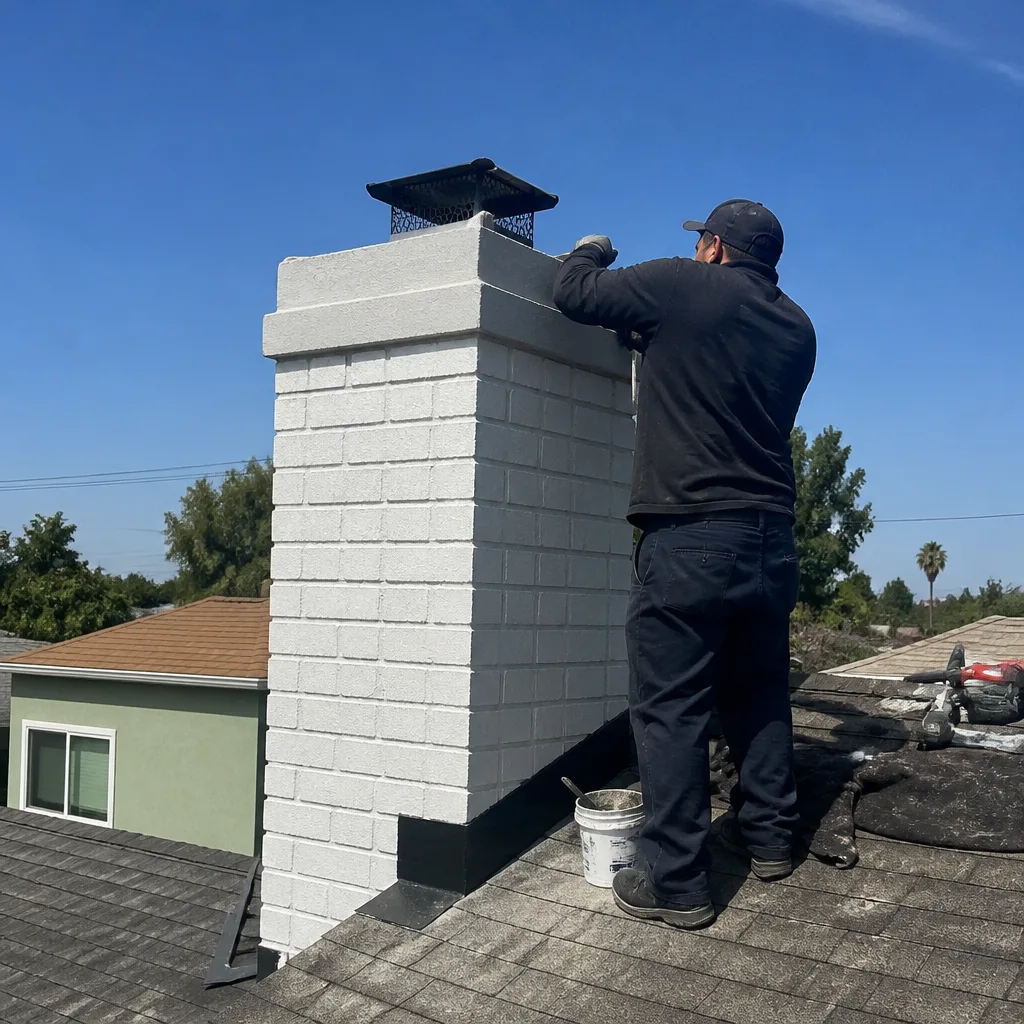
See the difference
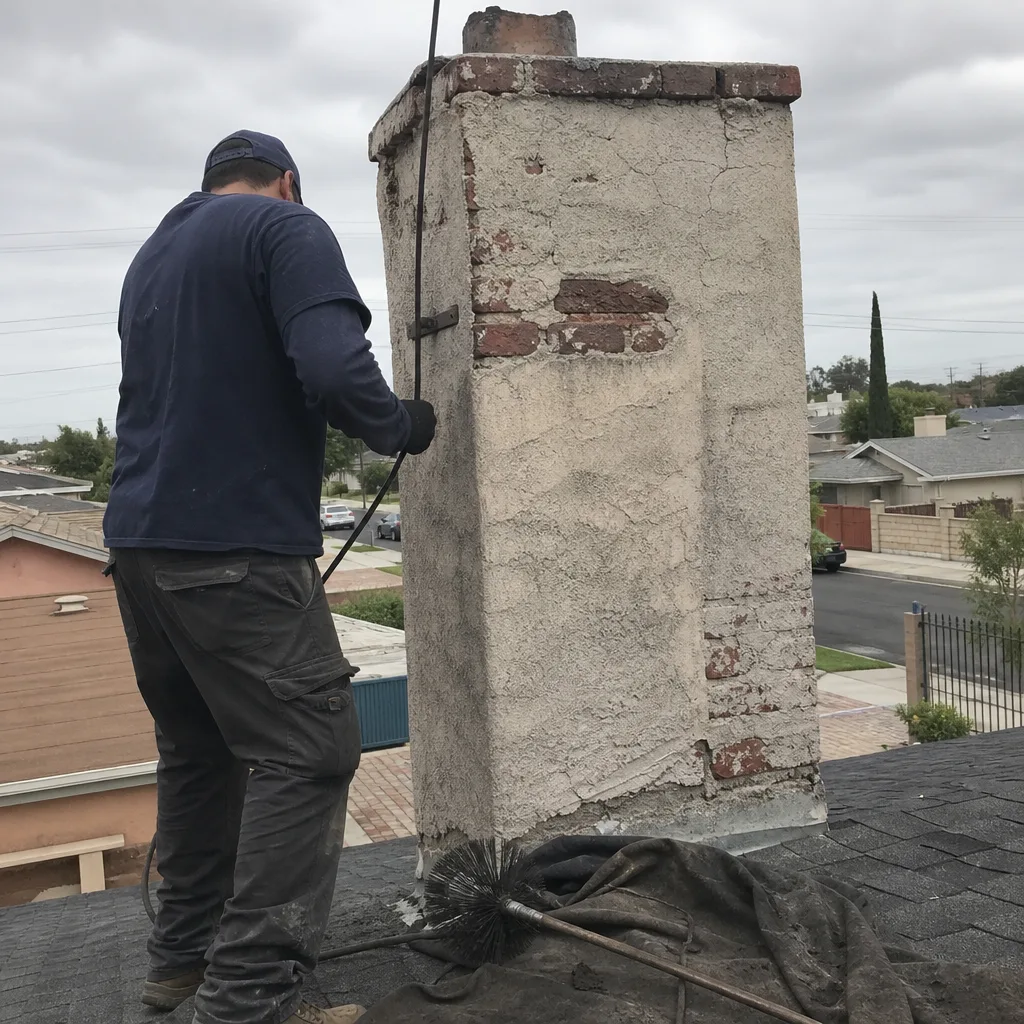 Before
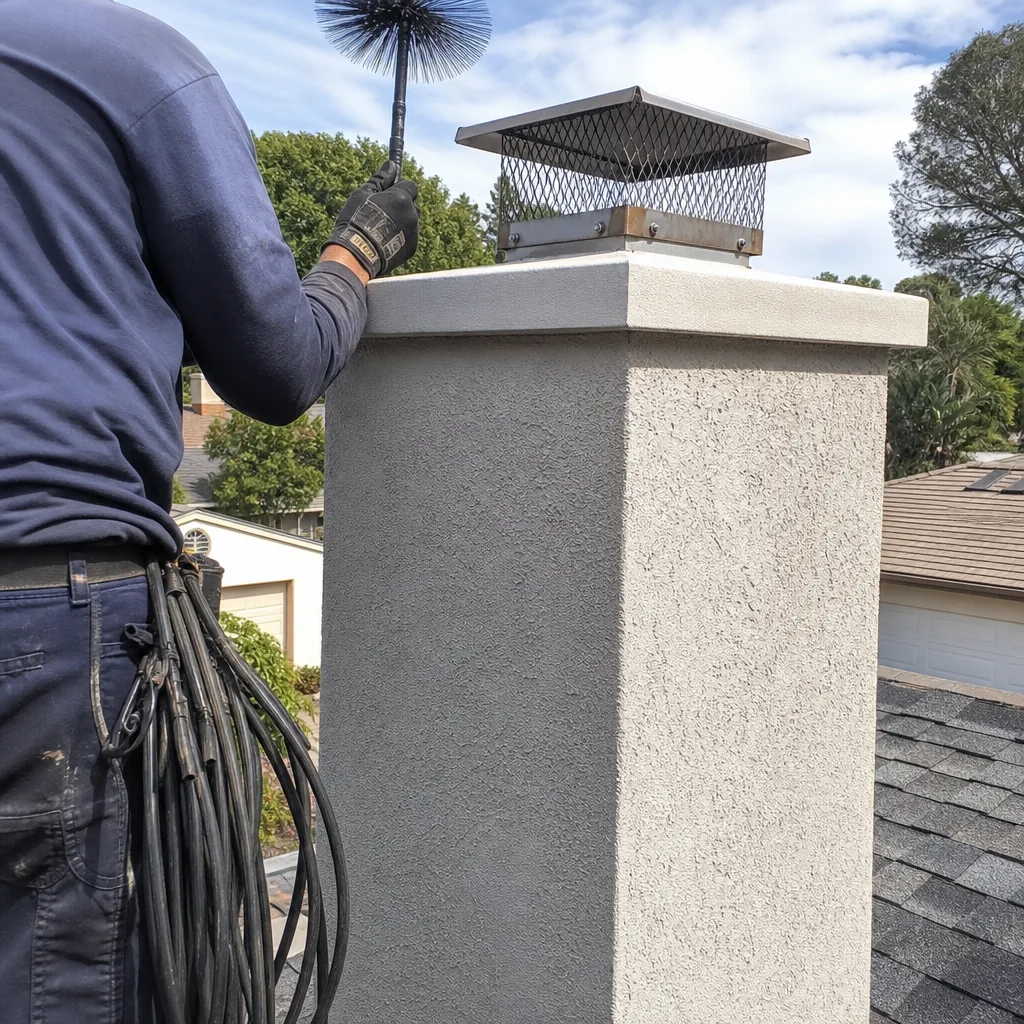 After
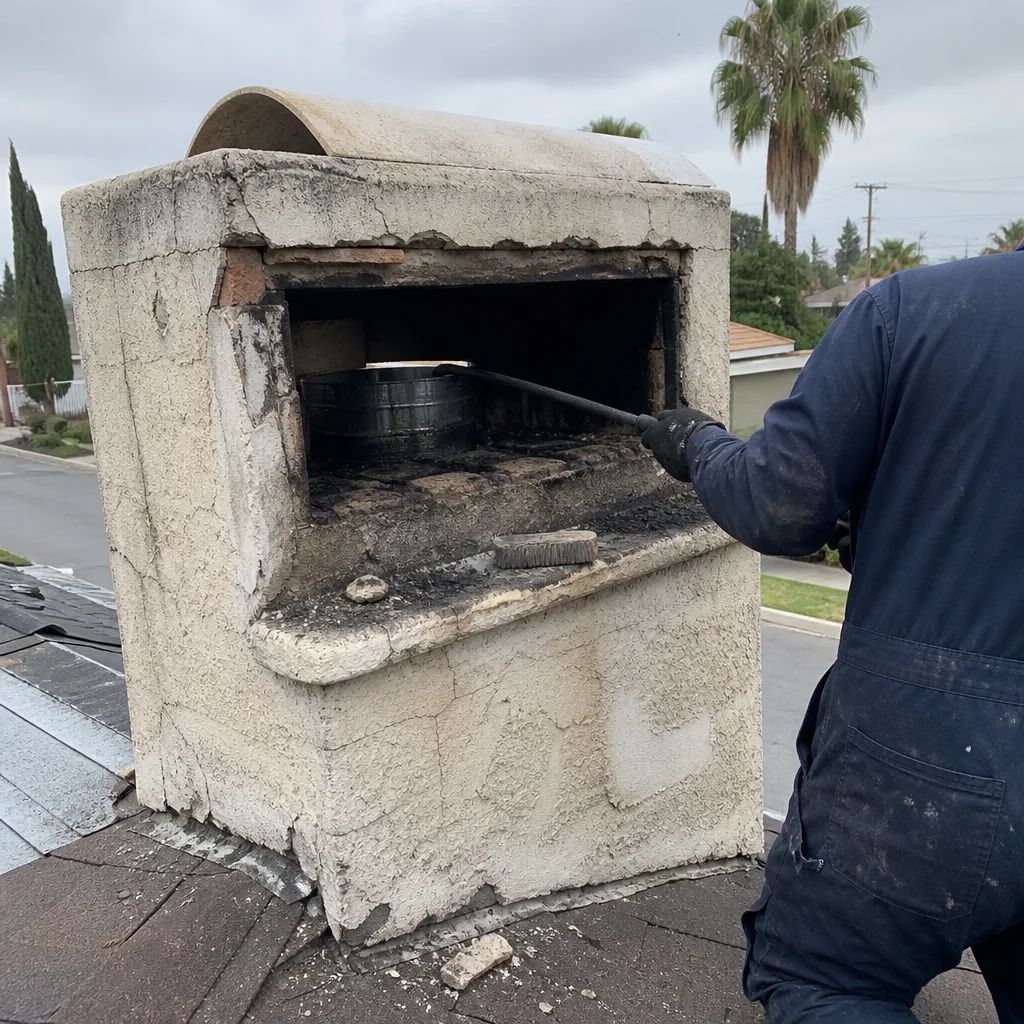 Before
 After
 Before
 After
When to Call a Professional
Call a professional when the smoke pencil test shows weak or no draft and you’ve ruled out open windows or negative pressure as the cause. Call when you see spalling firebrick, because the liner behind it needs eyes. Call when summer creosote odor persists after you’ve verified the cap and crown aren’t the obvious water entry points. Call when you’ve had a chimney fire, even a small one that burned itself out – the flue may have sustained damage you can’t see. Call when your dryer vent hasn’t been cleaned in two years or more, or when the dryer starts showing any restriction symptoms. Chimney Sweep South Gate offers free estimates in South Gate – call (833) 958-8849 and we’ll assess the problem with the diagnostic detail it warrants.
Frequently Asked Questions
The fastest home test is a smoke pencil or incense stick held in the firebox with the damper open. If smoke rises into the flue, you have at least partial draft, which means no full blockage. If smoke hangs in the firebox or drifts into the room, check the damper first, then suspect a blockage at the flue top, smoke shelf, or mid-flue. A camera inspection gives a definitive answer.
A standard chimney sweep in South Gate typically costs $229 to $350 depending on chimney height, creosote volume, and accessibility. Chimneys with heavy glaze deposits or upper-level termination access may run higher. Call (833) 958-8849 for an exact quote – our estimates are free.
Summer chimney odor is almost always moisture interacting with creosote, not a dirty flue. Water enters through a failed cap or cracked crown, soaks into creosote, and the humidity causes odor compounds to off-gas. Fix the water entry point first, then sweep the flue to remove the odor-saturated creosote.
It can be either, but you can distinguish between them. Blockage symptoms occur regardless of weather or house conditions. Draft problems fluctuate – they get worse with wind, improve when a window opens, or depend on what exhaust fans are running. The smoke pencil test isolates the variable.
If you burn more than a cord of wood per year, sweep annually. Light or occasional fireplace use in South Gate’s climate still warrants a sweep every two years, because even one season of weekend fires deposits enough creosote to matter in a clay flue.
Not necessarily. Small, isolated cracks in a clay liner can sometimes be repaired with HeatShield ceramic resurfacing, which restores the flue’s seamless interior surface. That approach avoids the larger expense of a full reline while meeting safety standards. The only way to know is a camera inspection of the flue’s full length. Call (833) 958-8849 for a free estimate if you suspect liner damage.
The Bottom Line
Chimney problems almost never announce themselves with a single obvious cause. Smoke on windy days, summer odor, spalled brick, white staining, slow dryer cycles – these are signals from specific components deep in the system. Learning to read those signals means you learn when a sweep will solve the issue, when a cap replacement is the real fix, and when the flue itself needs eyes on it. In South Gate, where the weather is mild enough that chimneys sit dormant for months and then work hard on winter weekends, the margin for guessing wrong is a fire hazard you can’t see. Diagnose deliberately. Fix what’s actually broken. Call (833) 958-8849 when you want a professional assessment without the upselling. If you’re troubleshooting before committing to service, start with the Chimney Sweep South Gate home page for a full overview of how we approach the job.
Written by the team at Chimney Sweep South Gate, serving South Gate since 2013.